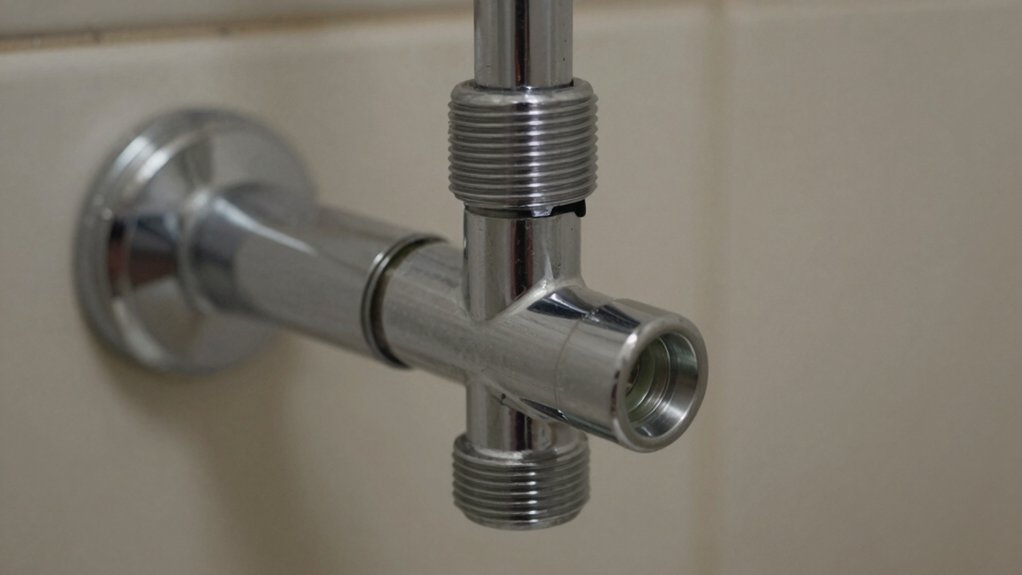
To quiet a noisy or whistling toilet fill valve, first identify the noise source during a normal refill and look for debris, misalignment, or loose mounting. Do quick checks on water pressure, float height, and valve position, then clear the inlet screen. Make small adjustment screw tweaks, recheck, and back off slightly if the whistle persists. Lubricate the arm pivot and adjust the float to the recommended level. If needed, replace worn seals or the valve for a silent, efficient fill; more steps await.
Identify the Noise: What’s Making Your Toilet Fill Valve Whistle
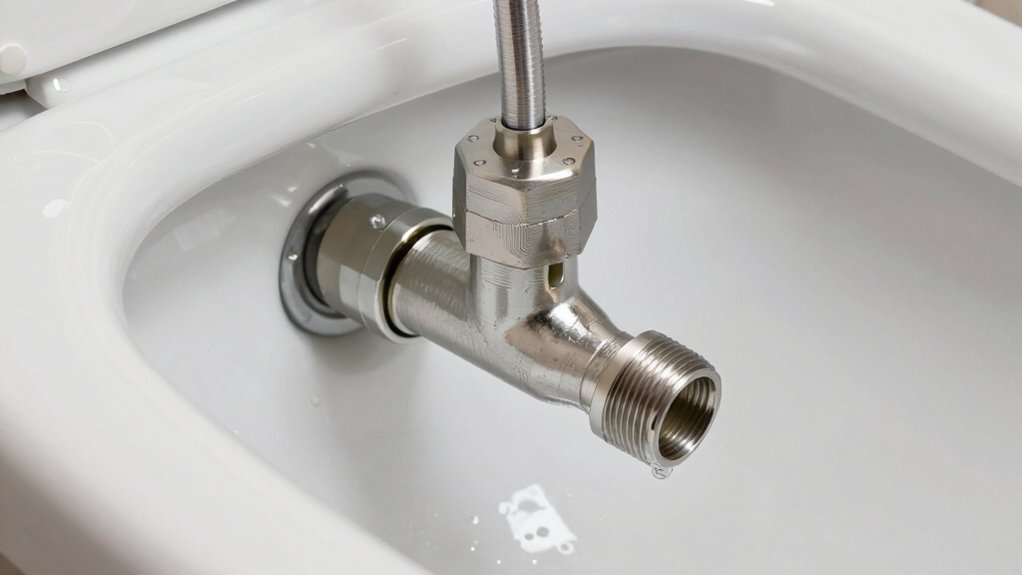
To identify the whistle, start by listening for a high-pitched tone that begins as soon as the tank starts refilling. You’re diagnosing the source via the valve mechanism, not guesswork, so focus on mechanical behavior during the refill cycle.
The sound will reflect fluid dynamics influenced by water pressure and component interaction. Note whether the whistle intensifies with rapid fill, or remains steady as the tank fills to its target level.
Observe if the tone correlates with specific heights of the float, or with adjustments to the fill valve’s stem. Distinguish between a passing whine from air entrainment and a persistent whistle from a partially closed or defective seating.
Accurate identification guides safe, targeted corrective steps.
Quick Checks to Try Before You Tweak
Before diving into adjustments, run a quick diagnostic to confirm the issue isn’t user-induced or incidental. You’ll first verify the whistle occurs with the valve in normal operation, not during a partial refill.
Next, check for obvious failures: debris, misaligned components, and loose mounting. Then assess three core variables that influence noise: water pressure, float adjustment, and valve position. The goal is a stable, silent refill without full disassembly.
- Inspect inlet for mineral buildup or particles that could vibrate
- Confirm water supply pressure is within manufacturer specifications
- Check the float height and ensure the float arm moves freely
- Observe the fill valve’s position and seals for leaks or gaps
How to Quiet It: Simple Adjustments That Work
Start with simple screw-and-arm adjustments to tame the whistle, then recheck performance after each change. You’ll fine-tune the fill valve by turning the adjustment screw in small increments, observing the water flow as the toilet bowl refills. If the whistle persists, back off the screw slightly and test again, ensuring the valve seals without over-restricting flow.
Inspect the arm pivot for smooth, unrestricted movement; lubricate lightly if resistance is felt, then re-evaluate. Verify the float height aligns with the manufacturer’s spec so the water level stops at the correct mark, preventing frequent refills.
Confirm that the inlet screen remains clear and doesn’t introduce pressure oscillations into the water flow. After adjustments, run several cycles to confirm quiet operation and stable fill.
When to Replace Seals, Gaskets, or the Valve
When seals, gaskets, or the valve show signs of wear, replace them promptly to prevent leaks and restore proper fill performance. You assess wear by checking for persistent dripping, reduced flow, or erratic fill cycles, then proceed with targeted replacement.
Focus areas include the seal surfaces, gasket seats, and the valve body interface. Execute precise disassembly to avoid damaging fittings, and replace components with compatible, certified parts.
After installation, conduct a functional test to confirm steady fill and silence. Document part numbers and dates for future maintenance.
Stay mindful of material compatibility with water quality and hardness to extend life. Seal replacement and gasket inspection should be scheduled at first indicators of degradation to maintain efficiency.
- Inspect seals for wear
- Check gasket seats for compression
- Verify valve-to-tank interfaces
- Confirm no leaks after reassembly
Full Tune-Up: Test, Save Water, and Verify Quiet
To begin the full tune-up, run a precise test of the toilet fill valve to confirm steady, quiet operation and identify any minor inefficiencies. Start by observing the fill cycle duration, sound profile, and flow consistency from shutoff to full rise. Record the peak current draw and valve travel, noting any flutter or intermittent hiss.
Perform a controlled leak check by momentarily raising the tank water level to ensure no slow drips persist after fill completion. Tighten fittings as needed only to specification, and replace worn diaphragms or seals if measurements deviate beyond tolerance.
Implement water conservation by adjusting the float height for exact shutoff with minimal overflow. Conclude with a noise diagnosis summary, confirming silent operation within expected parameters.
Frequently Asked Questions
Can a Whistle Indicate a Bigger Plumbing Issue?
A whistle can signal a bigger plumbing issue, but isn’t definitive. You should run plumbing diagnostics, check for leaks, and perform valve maintenance to isolate the cause and prevent escalating damage.
Will a Quiet Toilet Still Use the Same Water per Flush?
Yes, a quiet toilet will typically maintain the same water per flush, since silence comes from adjustments, not reduced flow; your water efficiency and flush performance stay aligned as you fine-tune fill valves and seals with precise control.
Do Fill Valves Differ Between Toilets or Brands?
Yes, fill valve types vary by toilet and brand; compatibility matters. You’ll find differences in inlet threads, float mechanisms, and flow rates. Check brand compatibility and valve type to guarantee proper fit and reliable operation across models.
Is Professional Repair Worth the Cost Vs Replacement?
Repair is often worth it if the cost analysis shows modest repair bills versus full replacement, but replace when repairs exceed half the valve’s new price. You should weigh longevity, reliability, and potential cascading fixes in your cost analysis.
How Long Should a Quiet Fill Valve Last?
A quiet fill valve typically lasts 5–7 years with proper maintenance tips. You’ll maximize fill valve lifespan by regular inspection, cleaning debris, replacing worn washers, and ensuring correct water pressure. Maintain precise adjustments and watch for persistent leaks or whistles.
Conclusion
To wrap it up, a quiet toilet starts with identifying the whistle source, then verifying system pressure and fill-level adjustments. If small tweaks don’t help, replace worn seals or the valve itself to restore efficiency. On average, modern fill valves reduce water waste by up to 20% when tuned properly. Maintain a routine check every six months, recheck for leaks, and confirm the whistle is gone after the refill cycle. Precision, not guesswork, keeps your flush silent and efficient.