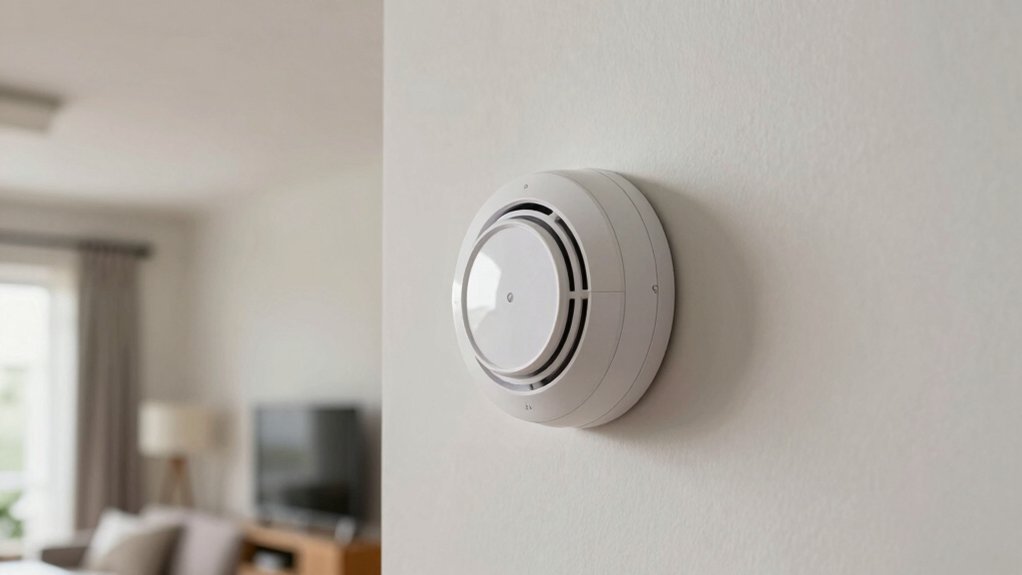
Install CO detectors on every level, outside sleeping areas, and in hallways or near stairways for quick alerts. Mount them at least 5 feet above the floor and away from doors, vents, windows, and fuel-burning appliances to avoid false alarms. Choose suitable models (battery, plug-in, or hardwired) and a dual-sensor if you have gas appliances. Test monthly, replace batteries as needed, and plan for 7–10 year lifespan—more placement tips await if you keep going.
Place CO Detectors in the Right Spots: Best Locations in Your Home
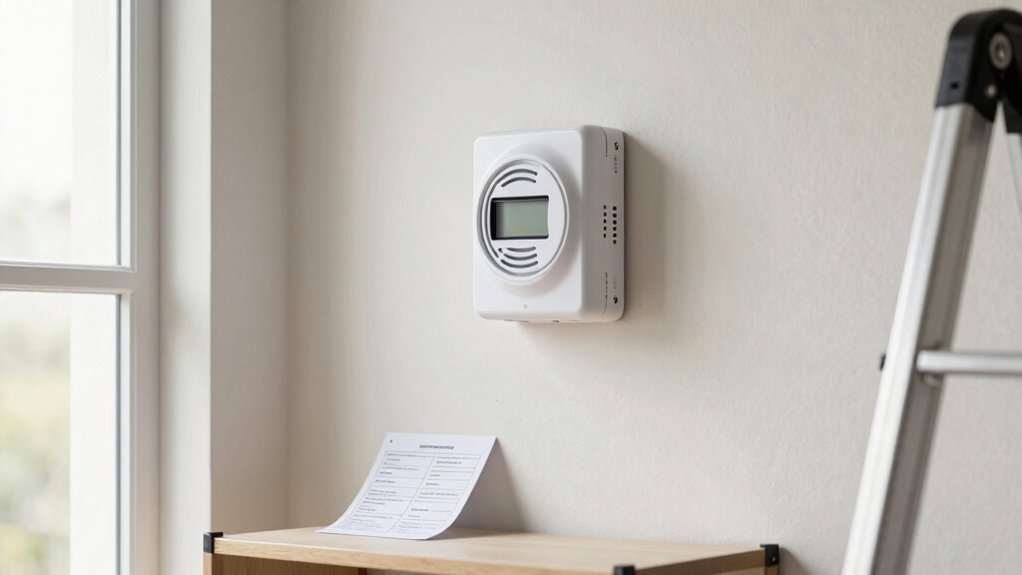
Place CO detectors where they’ll be most effective: install them on every level of your home, inside bedrooms, and in or near sleeping areas. You’ll optimize sensor placement by mapping safety zones where people spend time and where combustion appliances operate.
Position detectors at least 5 feet above the floor and away from doors, vents, or windows that could disrupt airflow. In kitchens and garages, keep units away from fuel-burning devices to avoid false alarms.
Mount detectors on hallways or near sleeping spaces so you’ll wake promptly if an alarm sounds. Consider a detector near the top of stairways to catch rising CO.
Regular testing and battery checks belong to ongoing safety zones, ensuring consistent protection for you and your family.
How Many CO Detectors Do You Really Need by Home Type
Determining how many CO detectors you need depends on your home type and layout, but a practical rule is to install at least one on every level and in or near sleeping areas. Your approach varies by structure and occupancy.
- Single-story homes: place detectors near bedrooms and living areas to cover common paths.
- Multi-story homes: add detectors on every floor, especially near stairs and sleeping zones.
- Apartments/condos: position detectors outside sleeping areas and within reachable distance of all units’ common paths.
Focus on detector placement and alarm sensitivity; ensure units are audible in sleeping spaces and comply with local codes.
In taller homes, consider extra units in large open-concept spaces to prevent dead zones and ensure consistent alarm response.
Choosing the Right CO Detector: Types, Features, and Lifespan
Choosing the right CO detector means understanding the available types, the features that matter, and how long the unit will protect you. You’ll choose from plug-in, battery-powered, and hardwired models, each with pros and drawbacks.
In homes with gas appliances, dual-sensor units offer better protection, but you’ll prioritize a photoelectric sensor for smoke-prone areas and an electrochemical sensor for fast CO response.
Look for features like end-of-life alerts, battery diagnostics, and voice alerts if you need clarity during an alarm.
Consider the lifespan: most detectors last 5 to 7 years, with some up to 10, so plan for replacement.
Remember carbon monoxide poisoning risks and schedule regular detector maintenance to keep your system trustworthy and effective.
CO Detector Installation: Step-by-Step Guide and Placement Rules
If you want reliable protection, start by picking the right mounting spot and following the detector’s installation steps exactly. You’ll position the unit per manufacturer guidance, avoiding dead air spaces and sources of disturbance. Pay attention to fire safety and electrical wiring needs, guaranteeing a proper outlet or battery backup, and avoid tampering with fuse boxes.
- Choose a mounting height and location that minimizes false alarms while maximizing alert reach.
- Connect power or install batteries as directed, keeping wiring neat and secure.
- Test the device after mounting, confirming it powers on and responds to a test signal.
Follow these steps to ensure dependable detection, proper coverage, and safe, compliant installation.
Maintain, Test, and Replace CO Detectors to Keep Them Reliable
Maintaining your CO detectors is essential for ongoing protection, so establish a quick, regular routine to keep them reliable. You should schedule battery maintenance, sensor checks, and unit inspection at least twice a year, aligning with daylight saving changes if possible.
When you replace batteries, use the recommended type and promptly discard old cells to prevent corrosion. Practice alarm testing monthly or per manufacturer guidance to confirm audible alerts and LED indicators function properly. If an alarm sounds during testing, or you notice dim indicators, replace the device according to the tested lifespan, not merely the warning.
Keep units away from humid areas and fuel-burning appliances to avoid false readings. Replace detectors after about 7–10 years, or per manufacturer recommendations, to preserve accuracy and reliability.
Frequently Asked Questions
Do CO Detectors Require Professional Installation or Can I DIY?
You can do it yourself, but follow installation guidelines closely and use smoke alarm-style detectors in the right spots. Prioritize DIY safety: test after placement, replace batteries regularly, and consult a professional if you’re unsure about wiring.
How Often Should I Test CO Detectors Beyond Monthly Checks?
Regular tests should be done quarterly, not just monthly. Think of it like maintenance routines for a car; consistent checks extend detector lifespan. I’ve seen devices fail sooner when users skip quarterly diagnostics, so stay proactive.
Can CO Detectors Detect Other Gases or Smoke?
No, CO detectors don’t detect other gases or smoke. They’re specific to carbon monoxide. For gas detection or smoke sensing, use dedicated gas detectors and smoke alarms in addition to your CO detector. Regular testing remains essential.
Do Battery Backups Affect Detector Placement Rules?
Ironically, no—you don’t want to gamble with life. Battery placement matters, so back up power powers your detector reliably. You should place a battery backup where it stays accessible, and verify backup power regularly.
Are Smart CO Detectors COmpatible With Home Automation Systems?
Yes, smart CO detectors can integrate with smart home systems, but device compatibility varies by model. Check compatibility with your hub, verify firmware is current, and confirm automation options like alerts, routines, and cross-device triggers before purchasing.
Conclusion
A quick truth check: CO detectors save lives, but only if you place and test them correctly. The theory that “one detector covers all” isn’t true—fuel-burning homes need multiple units, including one near sleeping areas. Keep units out of garages and don’t rely on outdated 2- or 3-year replacements alone; replace batteries and alarms as recommended. By installing, testing monthly, and replacing per lifespan, you’ll have practical, reliable protection you can trust when every breath matters.