
Home emergency add-ons aren’t magic insurance; they’re financial bets on response times, caps, and what’s actually covered. If annual premiums, per-incident limits, and call-out fees exceed the expected repair costs or outage duration you’d face anyway, they’re not worth it. Scrutinize exclusions (pre-existing conditions, neglected maintenance), network reliability, and renewal hikes. Compare true cost per incident, factoring deductibles and caps. If you want clarity on how these play out in practice, you’ll find practical guidance below.
What Home Emergency Cover Is (and Isn’t) for Your Home

Home Emergency Cover is a service you buy to fix urgent home failures—think boiler breakdowns, plumbing bursts, or electrical faults—before they spiral into costly damage or downtime.
You’re evaluating what the policy actually covers and doesn’t, not marketing promises. Data shows response times vary, costs rise with excluded components, and renewal rates can influence total expense more than initial quotes.
You should scrutinize limits, service caps, and required memberships for contractor networks. In practice, there’s a trade-off between rapid on-site repairs and coverage breadth; some plans protect against major incidents but omit minor faults that still disrupt daily life.
Consider how Home security and appliance warranties interact with coverage to avoid duplicative spend and gaps in protection. Scrutinize, quantify, and question the claimed inclusions.
What It Typically Includes and Excludes
What does a typical Home Emergency Cover actually include and exclude, and how reliably can you expect those features to perform? You’ll see a mix of essentials—repair or replacement of a faulty boiler, plumbing, electrical failures, and lockout services—often capped by per-incident and annual limits.
Yet coverage is uneven: some plans exclude pre-existing conditions, certain appliance brands, or optional components like pest control. Coverage limitations frequently appear as sublimits for labor, parts, or call-out fees, which can leave you paying out of pocket despite a seemingly exhaustive policy.
Policy exclusions commonly negate damage from neglect, poor maintenance, or environmental hazards. In practice, you’ll encounter narrow scopes, variable service response times, and inconsistent contractor networks, making real-world value contingent on precise policy wording and documented conditions.
Do You Need It? A Quick Decision Framework
To decide whether you need Home Emergency Cover, start with a quick cost–benefit check: weigh the annual premium and typical per-incident caps against your exposure to emergencies, existing home systems, and the likelihood of calls.
You’ll assess whether the protection materially alters risk, or simply reinforces a budgeting assumption. Rigorously compare cost considerations: annual carry costs, deductible relief, and cap ceilings versus repair complexity, typical outage durations, and alternative DIY or contractor options.
Consider policy flexibility: can you tailor limits, add riders, or cancel without penalty if your situation shifts?
Base your judgment on data points you already track—maintenance history, appliance age, and regional prevalence of outages.
If benefits remain marginal after this framework, the add-on isn’t justified.
Real-World Claims and Common Pitfalls
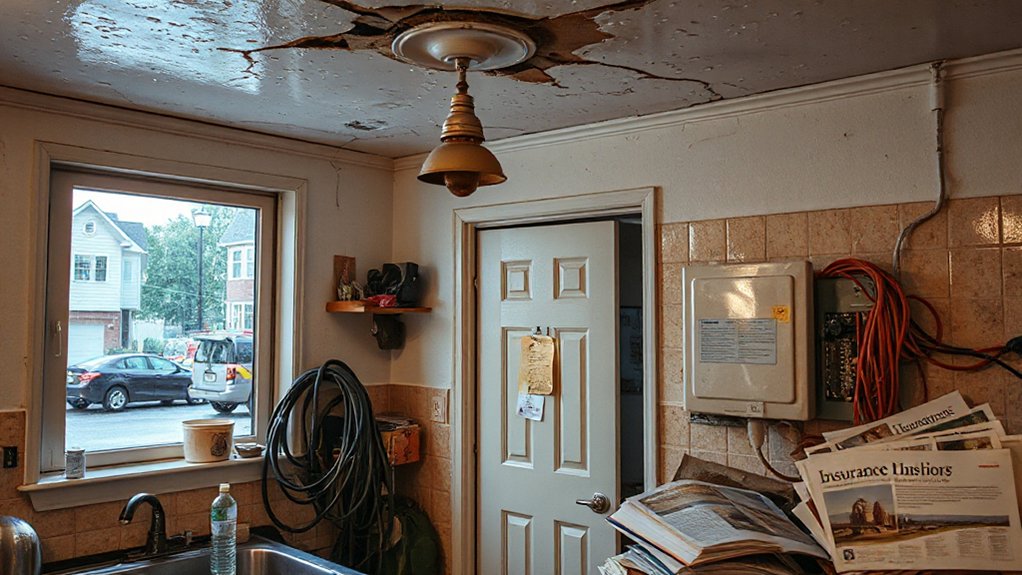
Real-World Claim Trends show that many filed claims cluster around basic failures, but approval rates and payout timing vary widely by provider.
You’ll want to weigh how data gaps, regional differences, and policy language influence outcomes before trusting claim outcomes as a proxy for overall coverage.
Common pitfalls reveal themselves when disclosures, exclusions, and service-level promises aren’t aligned with actual performance.
Real-World Claim Trends
Even when policies seem straightforward, real-world claim trends reveal patterns insurers can’t ignore: fraud indicators spike during peak seasons, claims cluster around high-risk behaviors, and small, frequent events add up to material loss despite low individual costs.
You’ll notice that maintenance costs often drive disproportionate payouts when neglect compounds, even for covered incidents. Data show a right-tail distribution: a minority of events cause most costs, while many minor events throttle administrative resources.
Claims analytics reveal seasonality, regional variance, and contractor substitution risks that skew outcomes. You should view emergency preparedness as a lifecycle asset, not a one-off expense, since preparedness directly influences claim frequency and severity.
Evaluate policies by demonstrated resilience metrics, not label promises alone.
Common Pitfalls Unveiled
Common pitfalls emerge when claims data meet real-world constraints, and the pattern isn’t what you’d expect from glossy policy language. When you review real claims, you’ll see gaps between advertised coverage and actual payouts, driven by fine print and exclusions.
Maintenance myths persist, steering customers toward unnecessary service contracts, while emergency myths inflate perceived urgency and trigger overspending on add-ons. Data show seasonal spikes in claimed breakdowns, yet many policies lull you with rapid “approval” that masks tight sublimits and deductible traps.
You’ll encounter ambiguous wording about exclusions for preexisting conditions and maintenance tasks, forcing you to scrutinize timelines and repair origins. In short, the numbers reveal complexity, not certainty, and skepticism pays off by exposing what policy summaries omit.
How to Compare Providers and Policies

When you compare providers, start with clear coverage options and map exactly what each plan pays for and excludes.
Weigh cost against benefit by calculating effective price per covered incident, not just headline premiums.
Finally, scrutinize provider practices—claims latency, authorizations, and customer experiences—to separate reliable options from red flags.
Compare Coverage Options
To compare coverage options effectively, start by identifying what each policy actually covers, excluding nonessential add-ons and vague promises. You should examine coverage scope, exclusions, and limits with a critical eye, separating guaranteed services from optional perks.
Look for clear definitions of emergency events and response times, and verify whether routine maintenance or system failures are treated as covered incidents. Compare provider networks, response guarantees, and the total payout caps you might face after a claim.
Demand concrete numbers rather than assurances. Scrutinize any waiting periods, deductibles, and the method used to assess repair costs. Favor policies that specify emergency response windows, transparent labor rates, and predictable covered components, then weigh these against your home’s true risk profile rather than marketing claims.
Assess Cost Versus Benefit
Evaluating cost against benefit means quantifying what you truly get for each dollar spent. To assess cost versus benefit, you perform a structured cost comparison, separating price from performance, coverage scope, and service quality.
You’ll compare premiums, deductibles, caps, and exclusions across policies, then map each dollar to concrete outcomes: response times, repair guarantees, and incident eligibility. A rigorous benefit analysis weighs likelihood of needing services against potential savings, factoring wait times and outcome certainty.
Don’t rely on marketing claims; demand transparent metrics, standardized scenarios, and historical performance data. Favor policies with verifiable service levels, clear limitations, and predictable billing.
If the numbers don’t align with your risk tolerance, deprioritize or reprice the coverage. In short, quantify, compare, and validate before you commit.
Evaluate Provider Practices
Provider selection hinges on verifiable practices, not marketing promises. When you compare providers, you’ll scrutinize what they disclose about network controls, response times, and coverage limits.
Favor policies that publish objective metrics—average claim approval time, denial rates, and incident-hours to resolution. You should demand clear evidence of provider transparency, including how facts are gathered and updated.
Be skeptical of bundles that shield processors or outsource partners behind vague language.
Analyze the claim process: step-by-step timelines, required documentation, and escalation paths for disputes.
Check for consistency across sources, such as policy documents, customer reviews, and regulatory filings.
Demand reproducible results, not anecdotes.
In short, quantify performance, demand openness, and verify that stated benefits align with actual operational practices.
Putting It All Together: A Practical Decision Checklist
When you’re deciding on home emergency cover, a practical checklist helps separate signal from noise and guarantees your choice stands up to real-world scrutiny. You’ll weigh contract scope, exclusions, triggers, and claim processes against documented incident data and user reviews.
Start with core coverage: quick-response repair windows, repair cost caps, and replacement timelines. Then test for hidden costs, renewal hikes, and cap resets after each incident. Demand transparent definitions for emergencies, service-Level Agreements, and contractor authorization.
Assess provider reliability through independent metrics, complaint ratios, and response-time trends. Prioritize plans with clear, measurable outcomes tied to home safety and emergency preparedness.
Finally, simulate common scenarios, quantify costs, and compare against DIY alternatives. A disciplined, data-driven approach minimizes bias and strengthens your final decision.
Frequently Asked Questions
Do Add-Ons Cover Pre-Existing Home Issues?
Yes, add-ons typically don’t cover pre-existing conditions; most policies exclude them. You’ll see coverage exclusions often, with limited or no relief for pre existing conditions, so assess claims data and exclusions before purchasing. Proceed cautiously; compare plans carefully.
How Do Claim Limits Affect Monthly Premiums?
Claim limits directly affect premiums: higher limits raise monthly payments, while lower caps reduce costs. You’ll see coverage exclusions expand premium adjustments when limits are tightened, and insurers price risk accordingly, making skeptical, data-driven assessments essential.
Are Emergency Repairs Capped by Policy Deadlines?
Emergency repairs aren’t universally capped by deadlines; some policies impose timelines, others don’t. You should verify coverage specifics, as home repair may fall under policy exclusions, challenging assumptions about guarantees and claiming windows.
Can You Cancel Without Penalty After a Claim?
You can cancel after a claim, but beware potential policy cancellation consequences and claim penalties. Data shows penalties may apply if you cancel mid-claim, and many insurers enforce stricter terms, reducing coverage or imposing fees without clear justification. Analyze, compare, decide.
Do Insurers Offer Bundled Home and Appliance Add-Ons?
Bundled coverage exists, but you should scrutinize: insurers offer appliance warranties and home add-ons together, yet data shows patchy claim satisfaction and bundled pricing bias. You’ll want transparent terms, coverage limits, and post-claim performance before committing.
Conclusion
You should scrutinize cost versus benefit, not assume add-ons are essential. An analytical look shows many policies duplicating basic home warranties, with exclusions that bite when you need them most. Real-world claims reveal uneven payout timing and narrow coverage. Compare providers on price, caps, response times, and what’s truly emergency-ready. In short, treat each policy like a leaky bucket—spot the holes, quantify the risk, and decide if the extra coverage fills a concrete gap or drains value. Proceed cautiously.