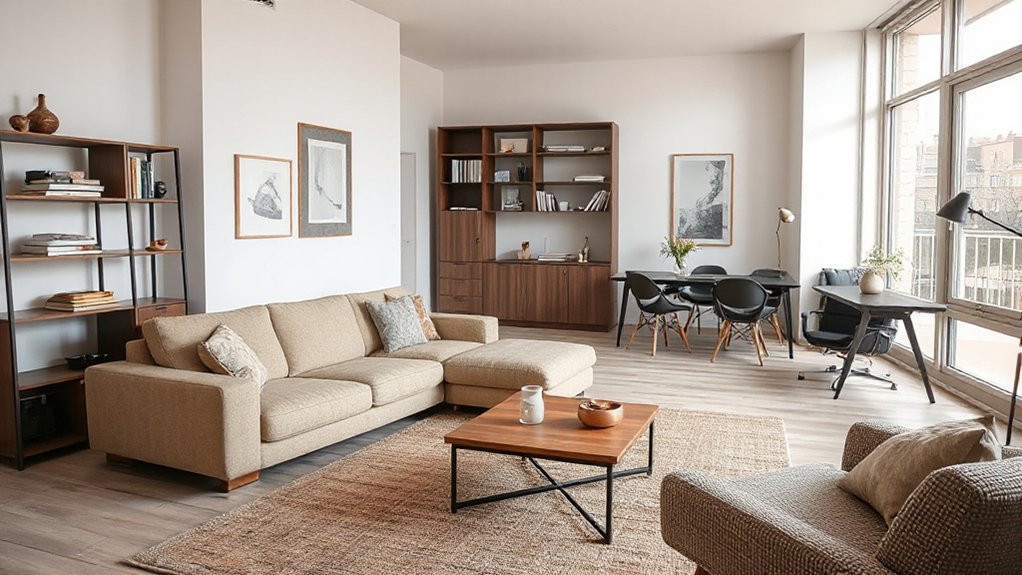
In 2026, you’ll want HMO furniture that’s durable, comfy, and space-maximizing. Think modular, multi-functional pieces that flex from study zones to social lounges, with smart storage and easy-clean finishes. Prioritize hard-wearing materials, hidden storage, and compact wardrobes, plus scratch-resistant textures and thoughtful lighting. Turnkey delivery should minimize disruption, with standardized assembly and labeled packaging. Your tenants value efficient layouts, calm bedrooms, and reliable durability, which boosts retention and perceived value—and there’s more you can optimize as you plan ahead.
Tenant Expectations for HMO Furniture in 2026: Durability, Comfort, and Space Efficiency
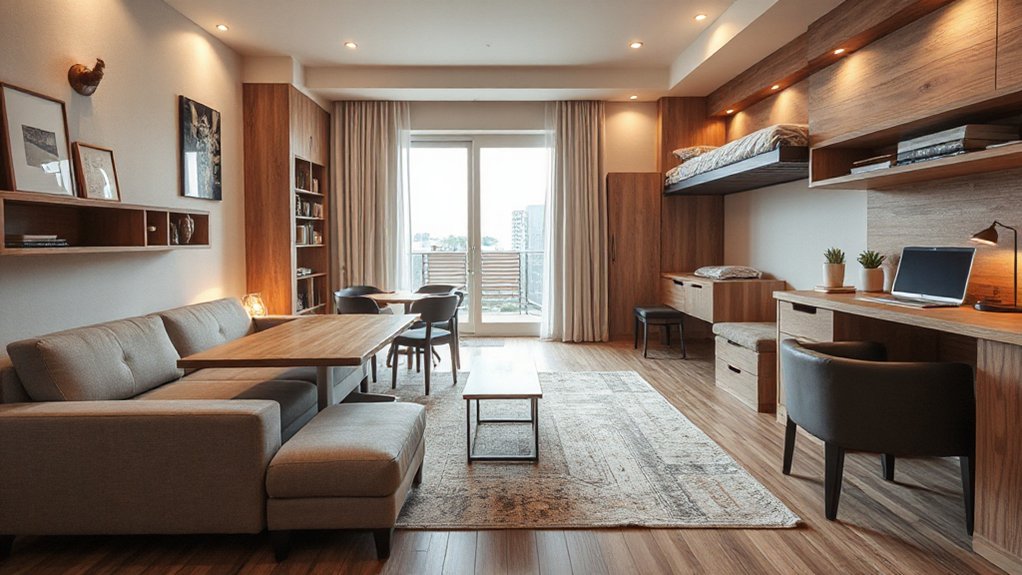
As HMO tenants head into 2026, durability, comfort, and space efficiency aren’t luxuries—they’re expectations that shape what furniture needs to deliver. You’ll prioritize pieces that endure daily use, resist wear, and resist spills while staying easy to clean.
Comfort isn’t optional; you’ll seek support profiles that suit long study nights and shared living rhythms without sacrificing style. Space efficiency matters, so modular, stackable, and multi-functional designs let you reclaim floor area and adapt rooms for work, downtime, and guest stays.
Aesthetic appeal remains a deciding factor, blending neutral palettes with warm textures to create inviting common spaces. Luxury upgrades should feel purposeful, not decorative, enhancing usability and perceived value while refining the overall vibe of your HMO.
Pick Modular Living Rooms: Flexible Pieces for Small Common Areas
When you choose flexible modular units, you open limitless layouts for compact common spaces.
Space-saving configurations let you reconfigure on the fly, while multi-function seating keeps every square foot purposeful.
This approach stays trend-conscious by prioritizing adaptability, cohesion, and streamlined utility in every piece.
Flexible Modular Units
Think sofa modules that convert to lounge beds, ottomans that double as coffee tables, and shelves that become room dividers. The result is customizable aesthetics you can reconfigure as needs shift, from work zones to social corners.
Ergonomic design matters here: low-profile seating supports posture, while varied heights create comfortable sightlines for conversations and streaming alike.
With modular units, you avoid wasteful purchases and crowded clutter, embracing scalable versatility that grows with your tenants’ routines.
In 2026, this approach blends practicality with contemporary finesse, keeping spaces flexible, functional, and visually cohesive.
Space-Saving Configurations
Opt for modular sections that can reconfigure as needs shift, so the room adapts from lounge to study nook in minutes. Color coordination matters: pair neutral bases with a bold accent hue to keep the area feeling expansive rather than cluttered.
For furniture styling, choose pieces with slim arms, compact footprints, and versatile finishes to maintain cohesion across zones. Prioritize multitasking surfaces and lightweight, stackable options to preserve flexibility without sacrificing comfort or character.
Multi-Function Seating
- Modular integration for reconfigurable layouts
- Convertible elements for double duty use
- Hidden storage within seating units
- Lightweight frames for easy movement
- Durable upholstery with stain resistance
Bedroom Essentials for HMO Homes: Style Meets Durability
In HMO setups, you don’t have to choose between durability and style—you can get both in your bedroom essentials.
Prioritize space-saving pieces that also feel premium, so compact rooms read as calm, cohesive sanctuaries.
This balance sets the tone for practical, long-lasting comfort that still looks on-trend.
Durability Meets Style
Durability and style aren’t rivals here; they’re teammates. You’ll pair sturdy foundations with statement finishes, creating rooms that endure daily wear while feeling current. Think resilient materials, easy-clean surfaces, and timeless silhouettes that adapt as trends shift.
Color coordination drives cohesion, so you’ll unify beds, desks, and storage with a restrained palette that breathes. Vintage styles can sit alongside modern tech, blending warmth with practicality without sacrificing edge. Your goal is a balanced aesthetic that survives tenants’ cycles and lifestyle changes.
Prioritize modular pieces, scratch-resistant laminates, and backed fabrics. The result is a bedroom suite that ages gracefully, feels premium, and stays market-ready season after season.
- Durable foundations and scratch-resistant finishes that wipe clean
- Cohesive color families guiding furniture selection
- Vintage styles balanced with contemporary, tech-friendly accents
- Modular designs for flexible reconfiguration
- Practical textiles and easy-care surfaces for heavy use
Space-Saving Comfort
Opt for platform beds with built-in drawers, wall-mounted nightstands, and compact wardrobes that maximize wall space without crowding the floor. A small vanity or desk can double as a bedside surface, keeping clutter minimal.
Bring in vintage charm through carefully chosen accent pieces, like a mid-century lamp or a distressed mirror, but balance with clean lines to avoid visual noise.
For durability, favor solid wood or high-quality veneers and easy-care finishes. If it’s aged gracefully, consider antique restoration thoughtful, not fussy, ensuring lasting appeal.
Smart Storage Solutions for Tight Spaces in HMO Setups
Smart storage is essential in HMO setups, where every square foot counts and roommates share common areas. You’ll maximize usability by embracing smart storage that blends form and function, making clutter vanish without compromising style. Think modular desks with hidden drawers, under-bed totes, and wall-mounted cabinets that free floor space for social zones.
Prioritize vertical solutions and multipurpose furniture to boost space optimization while keeping access seamless. Integrate smart technology to track supplies and automate rotations, so shared items stay organized with minimal effort.
Use color-coded bins and labeled shelves to reduce search time and misunderstandings among roommates. Your goal is calm, efficient environments that support focus, relaxation, and healthy living.
- Modular, multi-use furniture with concealed storage
- Under-bed drawers and lift-top beds
- Wall-mounted cabinets and pegboard organizers
- Clear labeling and color-coding systems
- Automated inventory reminders and smart bins
Balancing Budget and Longevity: Materials and Finishes for HMO Furniture

As you move from clever storage solutions to how you fund and finish HMO furniture, nailing the right balance between cost and lifespan becomes your north star. You’ll prioritize materials that resist wear without inflating budgets, leaning into material innovation that stretches value across tenants and timelines.
Look for sturdy cores, reinforced edges, and laminates designed to endure daily use, spills, and rearrangements. Finishing techniques matter too: matte seals hide fingerprints, while easy-clean coatings simplify upkeep and reduce repaint cycles.
Choose modular, replaceable components that preserve room aesthetics yet limit replacement costs. Sustainability isn’t an afterthought; it guides durability and reusability.
Multi-Function Furniture: Sleep, Work, and Socializing in One Package
You’ll get more out of a single space when sleep, work, and social time share the same footprint. Space-smart, multi-use furniture lets you shift from productivity to relaxation without rearranging the whole room, keeping everything in reach and ready.
This approach sparks a balanced rhythm—optimized routines, efficient layouts, and social vibes that scale with your needs.
Sleep-Work-Social Balance
The Sleep-Work-Social Balance package blends compact design with flexible function, letting you shift from a restful nap to a focused work session and social time without hunting for extra furniture. You’ll feel the harmony of spaces that adapt to rhythm, not vice versa, supporting meditation routines and work life integration as natural daily rituals.
- Joins a bed, desk, and seating into one streamlined unit
- Converts quickly between modes to suit your momentary needs
- Encourages short, mindful breaks without leaving the room
- Prioritizes hidden storage to minimize clutter
- Reflects modern aesthetics that suit shared living and individual focus
This package aligns with trends toward intentional living, quiet productivity, and social ease within compact homes.
Space-Smart Multi-Use Furniture
The best designs emphasize seamless changeovers, hidden storage, and modular freedom, letting you switch modes in moments. This approach maximizes floor area while preserving comfort, so you feel grounded whether you’re zoning for creativity, study, or small gatherings.
Expect finishes and silhouettes that read as intentional, not gimmicky, with thoughtful lighting and texture that invite artistic expression. Cultural influences show up in patterns, colors, and craft methods, giving each unit a distinct character.
In 2026, space-smart furniture mirrors your rapid-paced life without sacrificing personality or polish.
Sustainability and Hygiene in HMO Furnishings: What to Prioritize
Sustainability and hygiene aren’t competing priorities in HMO furnishings; they should guide every choice you make. You’ll prioritize materials and processes that minimize risk while maximizing life span, ensuring residents feel secure and valued.
Focus on durability, easy cleaning, and stain resistance without chemical overload. Prioritize recyclable materials and support eco friendly manufacturing to reduce waste from turnover.
Design choices should facilitate quick cleaning and routine sanitizing, not create hidden grime traps. Seek suppliers with verifiable sustainability claims, and request full product lifecycle data to verify impact.
Implement visible hygiene protocols in common areas through durable, easy-clean finishes. Balance cost with long-term value by selecting modular pieces that adapt to changing room layouts.
- recyclable materials
- eco friendly manufacturing
- easy-clean finishes
- modular, adaptable design
- transparent lifecycle data
Turnkey Delivery: Packaging, Assembly, and HMO Space Setup
Efficient turnkey delivery brings together packaging, assembly, and space setup so HMOs are ready for occupancy with minimal hassle. You’ll notice vendors coordinating delivery logistics to lock in windows, protect fragile items, and minimize disruption for tenants moving in.
Packaging is compact, labeled, and reusable where possible, reducing waste and misloads. Assembly crews follow standardized kits, cutting setup time while preserving furniture integrity and safety.
Space planning isn’t an afterthought; it’s part of the setup, with layout diagrams guiding where each piece lives for efficient movement and daily use. Eco-friendly materials are prioritized throughout, from fabric finishes to packaging options, signaling long-term durability.
The result is a smooth handoff, fewer delays, and a confident tenant welcome.
How Furniture Choices Drive Tenant Quality and Turnover in Leases

When tenants feel the furniture fits their daily routines and tastes, turnover tends to drop and lease quality rises. Your choices shape perceived value, influencing how well spaces align with expectations during lease negotiations.
By prioritizing adaptable, durable pieces, you boost satisfaction and reduce move-out risk. Eye toward efficiency, comfort, and storage—key drivers of tenant preferences that translate into longer stays.
- Align packages with varied routines (remote work, socializing, study)
- Offer modular, easy-to-assemble setups for flexibility
- Choose durable fabrics and easy-clean finishes
- Include ample storage solutions to cut clutter woes
- Customize add-ons that support tenant preferences in negotiations
These moves create stable occupancy, stronger referrals, and more favorable lease terms for you.
A Landlord’s Buying Guide: Selecting a Trusted HMO Furniture Package
Choosing a trusted HMO furniture package starts with clarity about your tenants’ routines and space realities, then pairing those insights with proven durability and flexible design.
As you assess options, prioritize modular pieces that adapt to changing layouts and group sizes, reducing future refurbishments. Look for surfaces that wipe clean easily and finishes that resist wear from heavy use.
Consider storage solutions that maximize small rooms without clutter, and ensure beds, desks, and seating meet ergonomic standards for long stays.
Compare suppliers on lead times, warranty coverage, and after-sales support.
Stay aligned with furniture trends and interior design principles, but balance style with practicality.
Finally, request detailed assembly guides and return policies to protect your investment and keep turnover smooth.
Frequently Asked Questions
How Quickly Can Tenants Customize Furniture Layouts in HMO Packages?
You can customize layouts within days, depending on supplier stock and your needs. Look for furniture flexibility and layout customization options, so you can adapt spaces quickly as trends shift and tenants request more personalized setups.
Do HMO Packages Include Maintenance or Replacement Guarantees?
You’ll find furniture warranties and maintenance policies are typically included, offering you protection against defects and repairs. If issues arise, you’re covered, mirroring a reliable safety net through steady support and proactive replacements.
Are Eco-Friendly Materials Required for All HMO Furniture?
Yes, eco-friendly materials aren’t strictly required, but you’ll see trends toward sustainable sourcing and eco certification becoming expected standards, aligning with tenants’ values and regulatory shifts, shaping your HMO furniture choices toward greener, more responsible, trend-conscious practices.
What Are the Hidden Costs Beyond Base Package Price?
Hidden fees bite beyond the base price, yet additional charges aren’t always obvious. You’ll notice surprise maintenance, delivery surcharges, and upgrade requests, so plan for hidden fees and additional charges as you weigh your furniture package choices.
How Do Furniture Packages Impact Lease Renewal Decisions?
You’ll see lease renewals influenced by furniture packages because interior design boosts tenant satisfaction, signaling higher perceived value. You feel more at home, stay longer, and recommend the property, reinforcing demand and stabilizing occupancy through smart, trend-conscious choices.
Conclusion
In short, your HMO furniture strategy should blend durability, modularity, and hygiene with smart budgeting and turnkey delivery. You’ll boost tenant satisfaction, reduce turnover, and simplify space planning for shared living. For example, a hypothetical property in Manchester cut turnover by 20% after swapping to modular lounges, breathable upholstery, and compact storage. Stay trend-aware: prioritize easy-clean fabrics, space-efficient layouts, and sustainability to future-proof your leases and attract higher-quality tenants.