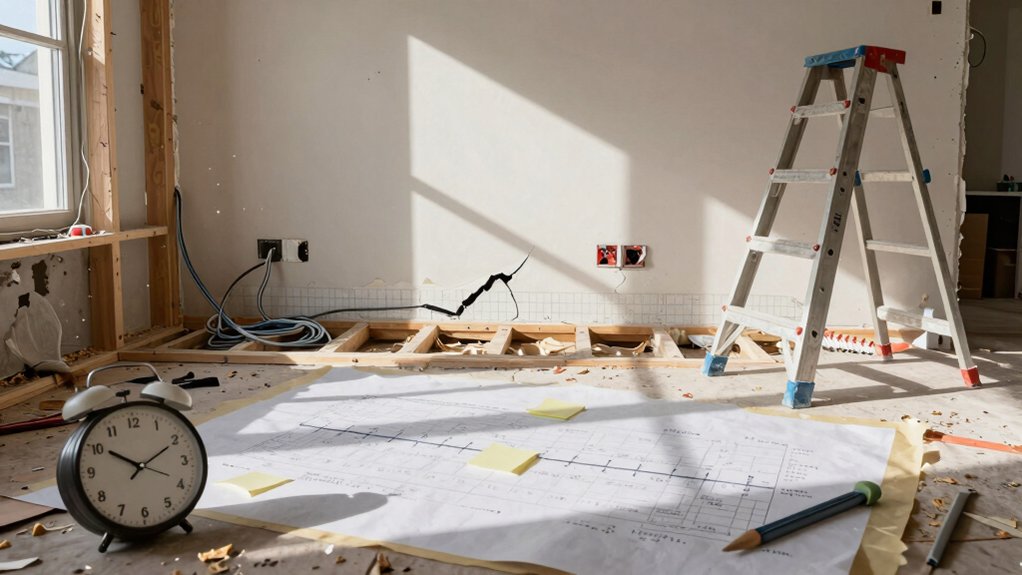
Renovating your home can feel like juggling fire, because nine hidden problems can derail your timeline before you know it. Permits, zoning, and late inspections can stall work; unclear scopes invite change orders that snowball; contractor and subcontractor shortages bite when you least expect it. Budgets crumble without solid contingencies, material costs swing, and design tweaks pop up late in the game. Stay sharp—there’s a lot to pin down before you push forward. Curious how to keep it steady?
Permitting Delays and Zoning Hurdles
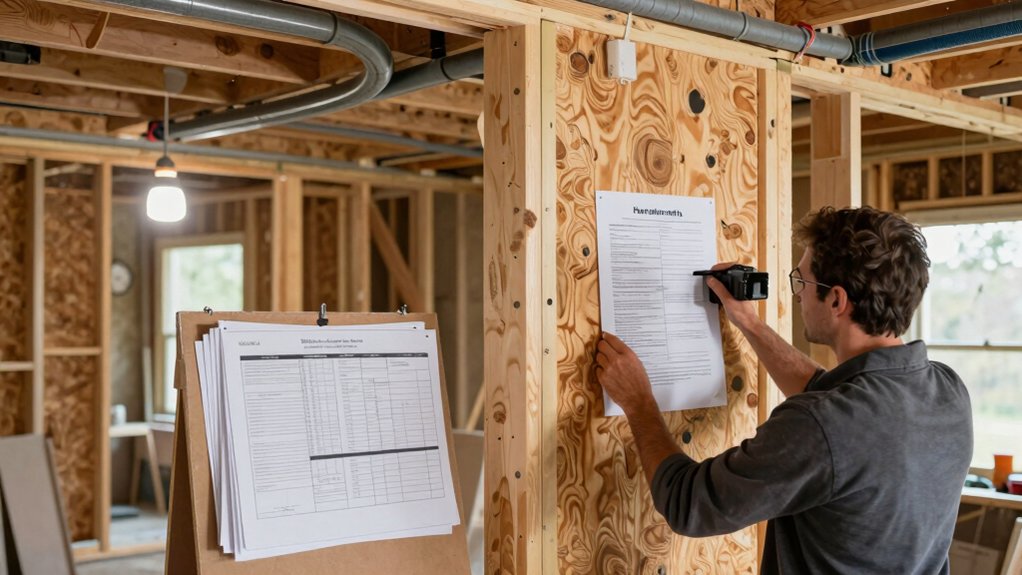
Permitting delays and zoning hassles can stall a project before you even start swinging a hammer. You’ll want to map approvals early, not just sweep them under the rug. Check your city’s permit list, and verify if you need plans stamped by a licensed pro.
Budget extra time for back-and-forth with inspectors, because questions will pop up—often about setbacks, height, or utility lines. Keep copies of every document, and track permit numbers in a simple spreadsheet so you don’t lose threads.
If a hold lands, don’t panic; ask for a status update and a clear timeline. Build a realistic cushion into your schedule, then communicate it to trades, so everyone stays aligned and your project doesn’t stall when you least expect it.
Inaccurate Scope and Change Orders
Inaccurate scope and change orders can derail a renovation faster than a budget scare. You start with a plan, but if you don’t pin details down, you’ll chase scope changes all project long. You’ll misestimate materials, labor, and timing, then watch costs creep and milestones slip.
Define what’s in and what’s out, and lock in specs, finishes, and exact quantities before you sign. When changes do come, document them in writing, with clear price impacts and timeline effects. Use a change-order process that requires approvals and receipts, so you’re not guessing later.
Communicate early and often with your team and trades, confirming expectations at each stage. A tight, documented scope minimizes surprises, keeps your schedule intact, and protects your budget from creep.
Contractor Availability and Subcontractor Shortages
If you’ve got a tight schedule, contractor availability and subcontractor shortages can bite you fast, especially when a key tradesperson is booked weeks out or a crew missing from a project phase. You’ll feel delays ripple across tasks, not just one line item. Plan around lead times, not hope. Build a reality check into your timeline: confirm competing projects, travel days, and permit windows that squeeze availability.
Have backups for critical trades—plumbers, electricians, drywall—so one missed crew doesn’t stall everything. Communicate early about start dates and contingencies; document commitments in writing. Consider staged work or parallel tracks to maximize productive days.
Stay flexible, but don’t gamble on perfect fit. A proactive scheduling buffer saves headaches when crews finally show up.
Budget Underestimations and Contingency Gaps
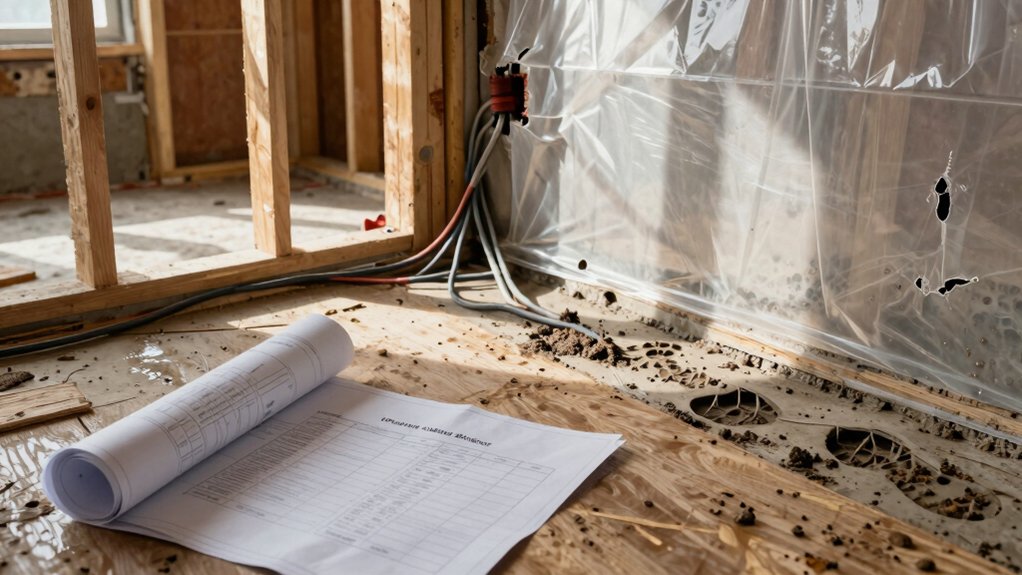
Budget overruns creep in when plans look clean on paper but costs don’t quite match reality, so you’ve got to plan for the unknown from day one. You’ll almost always face gaps between your estimate and the actual bill, because surprises hide in every corner—from design tweaks to permit fees.
Build a contingency fund you’re comfortable dipping into, not something you pretend doesn’t exist. Aim for 10–20% of the project total, depending on complexity, risk, and your risk tolerance.
Track every line item, compare bids, and insist on fixed-price elements where possible. If a change blows past your contingency, pause and reassess before approvals.
Communicate early, document decisions, and keep receipts handy—your future self will thank you for the caution.
Material Shortages and Price Volatility
Material shortages and price swings can wreck a renovation timeline faster than you think. You’ll feel the pinch when staples, plywood, or tiles vanish from shelves, forcing backorders and new delivery windows.
Prices bounce because suppliers juggle demand, freight costs, and raw-material runs, so your bottom line shifts week to week. To stay ahead, lock in quotes early, ask for lead times in writing, and confirm minimum order quantities with alternatives in mind.
Build flexibility into your schedule by pre-purchasing non‑time‑sensitive items, and track market shifts through reputable sources. Have a back‑up list of substitutes that meet your needs without blowing your budget.
Communicate changes fast with your team and trades; keep decisions concise and documented. Stay proactive, not reactive.
Design Revisions Late in the Process
Design revisions late in the process can derail your timeline just when you’re thinking you’re almost there. You’ll probably notice buckling schedules, extra inspections, and a scramble to source materials that match the new design.
It’s tempting to tweak finishes, revise layouts, or swap fixtures, but each change greases the wheels for delays. Before you approve, quantify impacts: new drawings, permit resubmittals, reorders, and potential subcontractor rescheduling.
Build a formal change-order process and stick to it. Communicate early with your team about what’s optional versus essential, and set a firm cutoff for changes.
If a revision feels urgent, document reasons, costs, and timelines, then decide fast. By catching midpoint revisions early, you keep momentum without sacrificing quality or budget.
Site Constraints and Access Issues
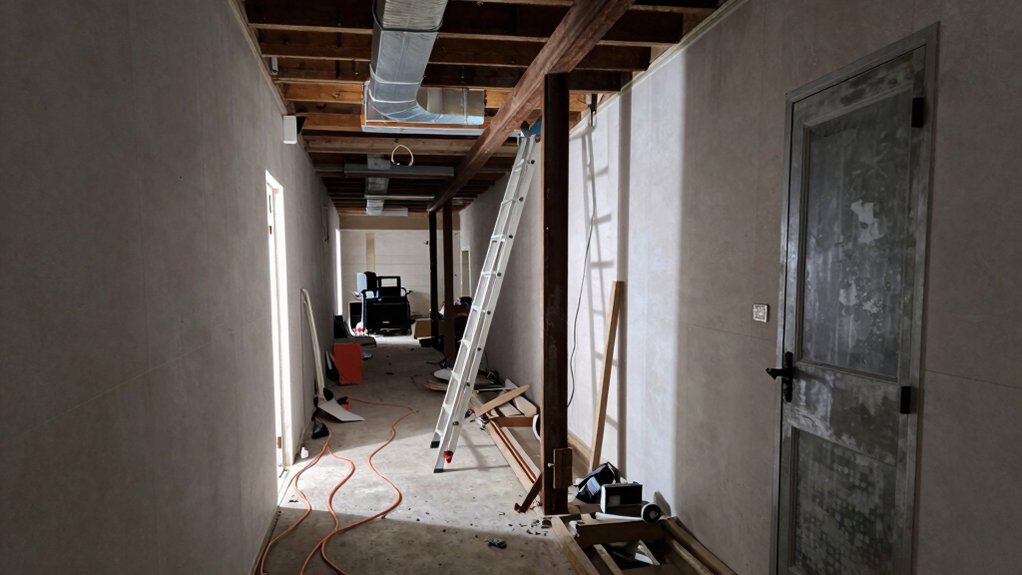
Site constraints and access issues can quietly derail a project if you don’t account for them upfront. You’ll run into tight doorways, stairwells, or hallway turns that slow deliveries and complicate equipment moves. Measure early, then recheck as walls shift or furniture moves in.
Check street parking, loading zones, and crane or scaffold needs, because a simple permit snag can halt a day’s work. Coordinate with neighbors about noise, dumpsters, and delivery windows so crews aren’t blocked or surprised.
Plan for material storage on site or nearby, and map routes from truck to work area to avoid backtracking. Build buffer days into your schedule for weather, missed deliveries, or access bottlenecks, so delays won’t snowball into bigger problems.
Stay proactive, stay flexible, stay on schedule.
Inspection Delays and Compliance Pitfalls
Inspection delays and compliance pitfalls can stall your project when codes, inspections, or permits misfire, and you’re left waiting on approvals. You’ll run into sticky paperwork, ambiguous requirements, or conflicting local rules that slow progress more than you expect.
Start by mapping the permit path early, keep a simple checklist, and track submittal dates like a mini project plan. Don’t assume approvals arrive on time; build in buffer and plan for plan-review cycles.
When an inspector requests changes, tackle them promptly and document every decision. Double-check that drawings match specs, and that energy, safety, and drainage codes are addressed.
If you’re unsure, ask for a pre-submittal meeting to reduce back-and-forth later. Stay proactive, communicate clearly, and you’ll minimize costly delays.
Schedule Coordination Across Trades
Coordinate trades early and keep everyone in sync, because a mismatch in timing can stall the whole job. You’ll gain traction by mapping a detailed sequence from demolition to finish, outlining each trade’s window. Share one master schedule, update it weekly, and lock in key milestones with all crews present.
Proactively flag interdependencies: plumbing hinges on framing, electrical on drywall, HVAC on insulation. Build in buffers for overruns, and plan rework days into the calendar so you aren’t scrambling last minute.
Maintain open lines of communication—daily huddles, quick notes, and a shared digital calendar keep surprises from derailing momentum. Respect lead times, confirm deliveries, and document changes.
When you coordinate, progress compounds; when you don’t, delays compound. Stay proactive, and the timeline stays on track.
Frequently Asked Questions
How Can Hidden Structural Issues Derail a Renovation Timeline?
Unexpected hidden structural issues can derail your timeline when you uncover rotten joists mid-demo. You’ll pause, reroute inspections, and replan budgets, like finding a sinking ship’s hull in calm water—suddenly everything below deck matters more than you thought.
What Unseen Permits or Approvals Commonly Cause Delays?
Unseen permits or approvals that commonly cause delays include building permits for structural work, electrical and plumbing inspections, sprinkler system approvals, and occupancy permits. You’ll also stumble on zoning variances, historic district clearances, and neighborhood review board reviews slowing you down.
Do Latent Code Violations Affect Project Scheduling?
Yes, latent code violations can wreck your schedule. You’ll face inspections, rework, and potential permit holds, forcing tweaks and delays. You’ll need honest audits, swift corrections, and clear communication with inspectors to keep projects moving.
How Do Unanticipated Site Constraints Impact Progress Milestones?
Unanticipated site constraints slow your progress by forcing reworks, re-sequencing, and schedule slips. Imagine you’re guiding a river through rock: you adapt, reroute, and pace milestones to stay on course and meet delivery dates. You’ll recalibrate accordingly.
What Pitfalls in Contractor Onboarding Slow Down Start Dates?
Onboarding pitfalls slow your start: unclear scope, missing licenses, delayed references, vague contracts, and late payment terms. You should lock in a detailed scope, verify licenses, obtain references, sign clear contracts, and set upfront milestone payments to accelerate start.