You’re ready to transform a room, but the right accent wall can do more than just pop. Think bold paint, textures, or removable wallpaper that’s easy to swap later. With careful color pairings and smart lighting, you’ll create focal points that feel grown-up and intentional. It’s doable on a budget, yet it can look polished. Curious what subtle tricks unlock big impact without overhauling the whole space? Let’s explore practical, weekend-friendly ideas that keep you moving forward.
What Makes an Accent Wall Stand Out (and Why It Works)
An accent wall stands out because it creates a focal point that guides the eye and defines the room’s mood. You choose a wall that naturally draws attention, then apply color, texture, or pattern to set the tone.
The trick is balance: the wall should contrast with surrounding surfaces without shouting. Use a hue that complements adjacent tones or a bold shade for drama, but avoid overwhelming the space with too many competing elements.
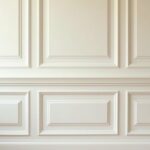
Texture adds depth, whether through a subtle wallpaper, plaster finish, or architectural paneling.
Scale matters: a large room benefits from a more restrained color, while compact spaces can embrace richer tones.
Consistency in lighting and decor ties the look together, ensuring the wall amplifies atmosphere rather than cluttering it.
DIY Bold Paint Tricks That Transform a Room
Bold paint can instantly transform a room, turning a pale backdrop into a dramatic stage for furniture and art. You’ll start with color psychology: choose hues that energize or calm, then balance them with neutral neighbors.
Use an accent door, frame, or wall as the focal point to guide the eye and create hierarchy. Apply high-contrast pairing sparingly; too many bolds muddle the room’s rhythm.
Consider two finishes: matte for walls and satin for trim to elevate depth without glare. Save busy patterns for textiles, not walls, to preserve impact.
Cut large planes with a deliberate, clean edge; use painter’s tape for crisp lines. Finally, test swatches at different times of day to confirm consistency before committing.
Budget-Friendly Textures That Look Pro
Texture can look polished without a big budget—here are simple, pro-grade options that you can pull off in a weekend. You’ll get depth with lightweight drywall textures like orange peel or skip-trowel, which read sophisticated without shouting. Consider knockdown for a modern, low-contrast finish that hides imperfections, then seal with a matte topcoat to keep it refined.
For a tactile twist, create a faux plaster look using a joint compound glaze technique; it reads luxe and still budget-friendly. If you want pattern without complexity, try stenciled plaster looks or layered glaze over a flat base to mimic luxury textures.
Add fabric-backed wallpaper panels or woven grasscloth accents for real texture, while preserving easy removal later on. Finish with controlled lighting to enhance shadows.
Removable Wallpaper Ideas for Easy Future Edits
Removable wallpaper is your friend when you want change without commitment. Choose patterns with a tactile finish or subtle texture to hide seams as you test a look.
Prep the wall by cleaning and letting it dry; this helps the adhesive release cleanly later.
Opt for peel-and-stick options specifically labeled reusable or repositionable so edits stay stress-free.
Measure twice, cut once, and align edges carefully to avoid gaps.
Lightly press from the center outward to prevent air bubbles, then smooth with a smoothing tool.
When you’re ready to edit, simply peel up a section at a time and rehang elsewhere.
Keep a small swatch book and return-policy notes to guide future swaps without damaging surfaces.
Geometric Walls With Painter’s Tape (Simple Patterns)
Geometric walls with painter’s tape offer clean, precise patterns without heavy commitment. You can create bold shapes by mapping simple lines and triangles across a single wall.
Start with a base color you love, then lay tape to form your pattern, pressing edges firmly to prevent bleed. Keep it manageable by choosing a few shapes and a couple of tape widths.
Paint in layers if needed, allowing time to dry before peeling. For crisp edges, remove tape while the paint is slightly tacky or after full cure.
Consider alternating finishes—matte ground with gloss lines—to add depth without clutter. Clean up edges with a steady hand and a steady blade.
Your wall becomes a focal point with minimal tools and effort.
Color Pairings and Lighting to Elevate Your Accent Wall
Pairing colors and lighting can transform your accent wall from stylish to striking. Start with a base that mirrors your room’s mood—soft neutrals for calm, bold hues for drama.
Pair cool tones with warm lighting to create depth, or warm colors with cool illumination to keep the space airy. Consider a dominant color and a supporting shade a notch lighter or darker to avoid flatness.
Use lighting as a design element: warm LEDs around fixtures for coziness, or a cool spotlight to highlight texture and architectural features. Dimmer switches give you adaptable ambiance for different moments.
Reflectivity matters too—gloss or satin finishes bounce more light, while matte brings subdued elegance. Test swatches in natural and artificial light to confirm harmony before committing.
Budget Materials and Timing Tips for Weekend Projects
If you’re tackling a weekend project, start with a simple materials plan and a tight schedule to avoid overruns.
Budget-minded tips keep you efficient: list essentials, compare prices, and pick multipurpose products to cut trips. Measure once, buy once, and reserve a small buffer for nails, tape, and adhesive.
Choose standard sizes to minimize waste, and consider repurposing leftover materials from other rooms.
Create a concrete timeline—prep, paint, install, and touch-ups—with realistic buffers for drying times.
Shop during promotions or at discount outlets, and don’t overbuy specialty finishes you won’t use again.
Pack tools in a portable kit so you’re ready to work any free window.
Finally, track expenses as you go to stay on target and finish strong.
Fixes for Common DIY Wall Mistakes and Quick Repairs
Even small DIY wall missteps can derail a project, but quick fixes and smart repairs keep you moving. Start by assessing damage before you act.
For nail pops, drive the nail back in, fill with joint compound, sand smooth, and repaint to blend.
Cracks? Clean, apply a light skim coat, feather edges, and sand until even.
Peeling paint gets scraped, primed, and re-coated with a matching finish.
Wall dents respond to a dab of spackle, a brief cure, then light sanding.
If texture is ruined, patch and re-create the pattern with a brush or roller before painting.
For uneven lines, use painter’s tape and a steady hand with the final coat.
Keep tools ready, work in dry conditions, and you’ll restore a flawless surface quickly.
Conclusion
You’ve got the tools, the ideas, and a clear plan. By mixing bold color, texture, removable wallpaper, and smart lighting, you’ll create an accent wall that instantly elevates any room. Keep patterns simple, scale wisely, and budget thoughtfully for big impact with little effort. Don’t fear DIY mishaps—tackle fixes quickly and learn as you go. When you finish, you’ll enjoy a personalized focal point that feels stylish, polished, and totally you. Ready to transform your space? Let’s get started.