Like a doorway you’re weighing for its future, your costs for replacing windows and doors sit between upfront spend and long‑term value. You’ll see wide gaps by material—UPVC is typically the least costly, timber and aluminium higher, with installation and regional labor shaping the total. Factors like size, style, energy efficiency, and security features push quotes up or down, and grants or financing can change the math. Stay with me as we map practical steps to maximize value and clarity before you commit.
Compare Replacement Costs by Material: UPVC, Timber, and Aluminium
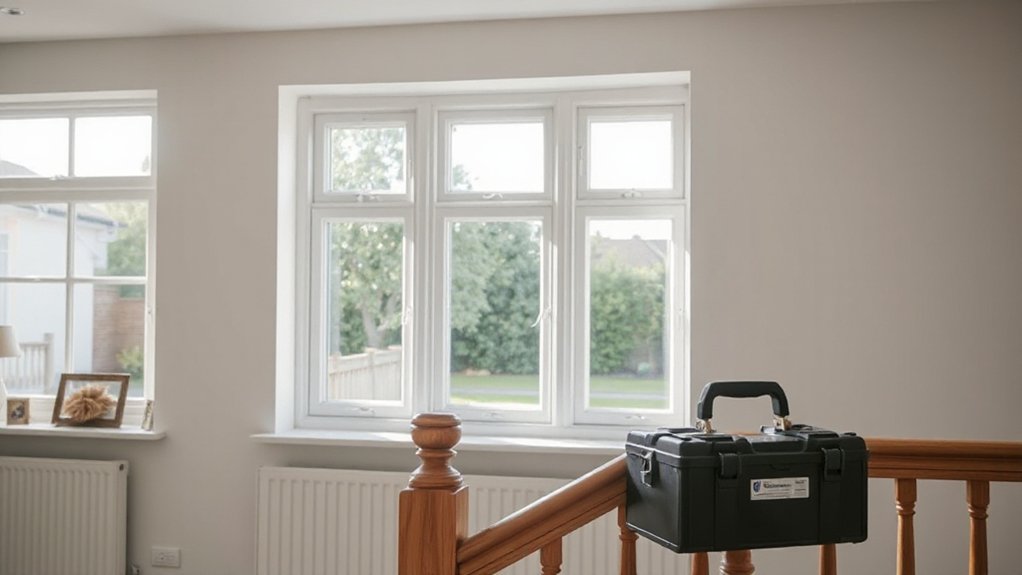
When you’re choosing replacement windows and doors, material cost is the first big divider. UPVC delivers the lowest initial outlay, strong weather resistance, and minimal maintenance, making it a practical baseline for cost-conscious projects.
Timber offers classic aesthetic appeal and solid insulation, but expect higher purchase and ongoing upkeep, plus shorter lifespan without care.
Aluminium balances slim sightlines with durability, yet carries a higher price tag and potential thermal bridging unless well engineered.
Consider material durability in long-term budgeting: UPVC’s corrosion resistance and colour stability, timber’s renewals and recoats, aluminium’s robust frame and fatigue resistance.
For most budgets, UPVC wins on upfront value, while timber and aluminium target specific looks, performance traits, and premium markets.
Align choice with project scope and owner priorities.
What Affects Your Window Quotes: Size, Style, Efficiency, and Fit
Size and style set the base price, while efficiency and fit can add or save costs after installation. You’ll see bigger or more intricate designs lift quotes, and energy-efficient options may pay off with lower bills over time.
We’ll break down how each factor drives value so you can compare quotes clearly and choose the best fit.
Size And Style Impact
Size and style aren’t just about looks; they directly influence how much you’ll pay and how well the windows perform. When you size a window accurately, you reduce wasted material, minimize framing costs, and cut labour time, all of which lower quotes.
Style choices drive component complexity, hardware options, and installation steps, so bigger departures from standard sizes or custom shapes push up both materials and labour. You should consider how historical design trends align with your home’s era, because authenticity can affect price and supplier availability.
Be aware of common Window installation myths that can inflate costs, such as overspecifying trim or opting for oversized glazing without proportional frames. In practice, balance aesthetics with efficiency, avoiding unnecessary customization.
Efficiency And Fit Factors
Efficient performance and precise fit are central to credible window quotes: they determine heat loss, condensation risk, and long-term utility costs, so buyers must weigh U-values, glazing options, and frame materials alongside size and style.
In this section, you’ll gauge efficiency by considering how window frame insulation reduces thermal bridging and how door and window alignments affect drafts.
Expect quotes to separate upfront costs from ongoing savings, with insulation performance tied to frame design, glass coating, and spacer technology.
Fit factors matter: correct reveals, sashes, and secure sealing reduce air leakage and moisture issues.
Also compare door security features and hardware ratings, since robustness lowers maintenance needs and insurance impact.
Ask for tests, certificates, and warranty terms to ensure practical, durable performance over time.
Regional Price Variations Across the UK
Regional price differences across the UK are real and matter when budgeting for window and door replacements. You’ll notice regional affordability shifts, driven by labor costs, material sourcing, and local competition, which influence quotes.
Market fluctuations can widen gaps between regions, so you’ll want to compare several builders and suppliers in your area.
1) Compare regional quotes to identify best value without sacrificing quality.
2) Consider local trades’ experience with energy regulations and installation standards.
3) Factor transport and handling fees, which vary by distance from suppliers.
4) Track seasonal demand, as busy periods can raise prices despite solid deals.
Timing, Grants, and Financing: When to Replace and How to Pay
Timing matters: you’ll want to plan replacements when energy savings and grants align with your budget, not after urgent failure.
We’ll outline current grants and subsidies, plus practical steps to match financing options to your cash flow.
This front-loaded approach keeps you informed on when to act and how to pay, so you can maximize value and minimize disruption.
Timing For Replacements
If you’re planning window and door replacements, start by pegging the timing to energy performance, budget cycles, and any available funding. You’ll want to align install windows with seasonal considerations and contractor scheduling to minimize delays and price spikes.
Plan several weeks for procurement, surveys, and any lead times, then lock dates with your selected installer.
- Set a target energy return date based on seasonal demand and home comfort goals
- Coordinate contractor availability with material delivery windows
- Build in a buffer for weather or access issues
- Schedule post-install checks and adjustments before peak usage periods
Grants And Subsidies
Check local authorities, utility programs, and national incentives for home insulation improvements that pair with window installation. Apply early, gather quotes, and confirm grant terms, caps, and reporting requirements before purchase.
Prioritize windows that maximize heat retention and reduce drafts, then document energy performance improvements for eligibility. Consider phased replacements if grants target retrofit periods.
Don’t overlook VAT relief or tax credits that may apply to contractor labour. Finish with a compliant project plan showing costs, savings, and amortisation to validate the investment.
Financing Options Now
Smart planning beats last-minute scrambling: the right mix of timing, grants, and financing can lower out-of-pocket costs for window and door replacements without delaying projects. You’ll balance when to replace with budget options, leveraging financing to spread costs without sacrificing home security or aesthetic appeal.
- Plan ahead for seasonal pricing and installer availability to minimize delays.
- Align grant windows with project milestones to maximize eligible funds.
- Compare financing offers (interest rate, term, fees) to keep monthly costs predictable.
- Budget for security upgrades (multipoint locking, reinforced frames) that protect value and curb appeal.
This approach keeps the project practical, cost-conscious, and focused on enduring quality. You gain predictable payments, enhanced home security, and improved aesthetic appeal.
Choosing Energy-Efficient Options Without Overpaying
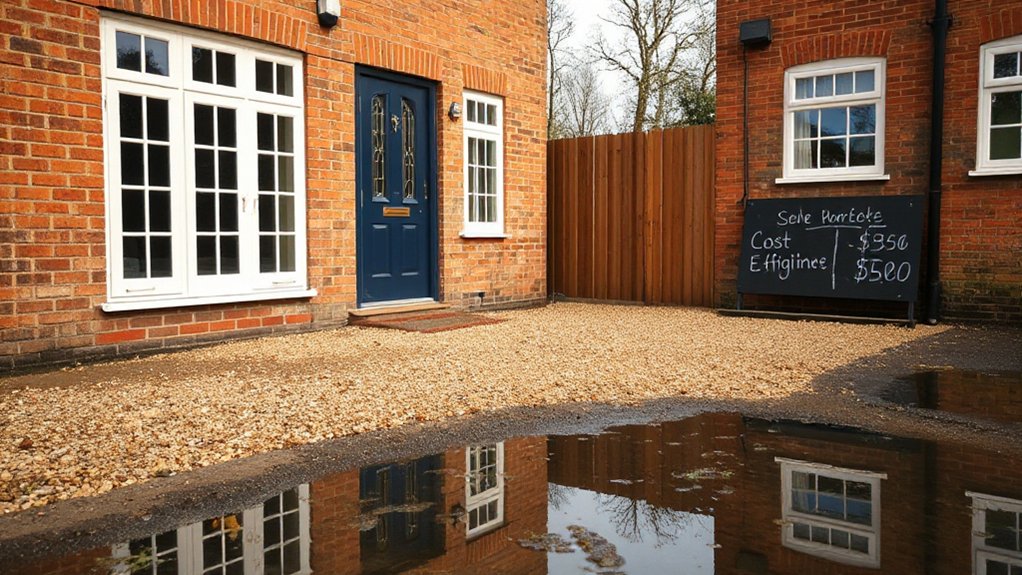
Choosing energy-efficient options doesn’t have to break the bank. You can balance upfront cost with long-term savings by prioritising value over novelty. Start with U-values and thermal performance ratings when comparing windows and doors; opt for products that meet or exceed building regulations without over-specifying.
Consider core features like tight seals, low-E coatings, and inert gas fills, and evaluate installation quality, which often drives performance more than the product alone. Smart glass can add value in sunny rooms, but verify its durability and warranty.
For security, choose reinforced frames and multipoint locking, not flashy tech, to protect against intrusion while maintaining efficiency. Ask for local heat-loss data and installer certifications to avoid overpaying while ensuring reliable performance.
Practical Steps to Maximise Value and Maintain Safety
To maximise value and keep safety top of mind, start with a clear cost-benefit plan: identify your must-haves, set a realistic budget, and map them to performance metrics like U-values, airtightness, and security features. You’ll tighten decisions by weighing upfront costs against long-term savings, maintenance, and resale appeal, while prioritising home security and aesthetic appeal.
- Define non-negotiables: frame materials, glazing, and locking systems that deliver security without sacrificing style.
- Set a budget with contingency for installation, ventilation, and warranties to avoid overruns.
- Align specs to performance targets: U-values, airtightness, wind load, and rational warranty terms.
- Validate value: compare downstream costs, energy savings, and curb appeal, ensuring ongoing maintenance is practical.
This approach keeps projects profitable, safe, and visually cohesive.
Frequently Asked Questions
Do Windows and Doors Require Planning Permission in the UK?
Yes, typically you don’t need planning permission for standard replacement windows and doors, but you must comply with Building Regulations and check Planning exemptions for your specific property and location, as some exceptions apply.
How Long Does Installation Typically Take for a Full House?
Short answer: installation typically takes about 1–2 weeks for a full house, depending on size, delays, and access. You’ll assess window styles and door materials, coordinate trades, and expect daily progress updates and tailored scheduling.
Can Grants Cover Both Windows and Doors Simultaneously?
Yes, grants can cover both windows and doors simultaneously if you meet eligibility criteria. You’ll need to review financial assistance options and confirm eligibility criteria, then gather documentation, apply promptly, and compare funded packages for practical, commercially focused outcomes.
What Maintenance Costs Should I Expect After Replacement?
Smarter glass, smaller bills: after replacement, you’ll mainly spend on cleaning, seals, and occasional gasket checks. Expect periodic maintenance, hinge adjustments, and weather-strip replacements. Energy efficiency delivers long term savings, offsetting service costs and boosting resale value.
Which Security Features Are Essential for UK Homes?
You should install essential home security upgrades like robust alarm alerts and external lighting, plus modern locking systems. Focus on durable frames and insurance-rated components; prioritize practical, commercial-grade features that deter burglars and simplify maintenance for you.
Conclusion
You weigh upfront cost against long-term value, like UPVC’s low price versus timber’s prestige, while still valuing aluminium’s slim profile. You compare quotes, sizes, and efficiency, yet ignore nothing—the fit, the warranty, the security. You’ll save with grants and timing, but you’ll pay more for bespoke styles and premium materials. Juxtapose quick payback with lasting comfort; planned maintenance against surprise repairs. In the end, smart choices balance budget, safety, and performance for lasting UK-home value.