Bali Motorized Blinds: The Complete Guide for UK Homeowners
If you’ve been browsing window treatments lately, chances are you’ve spotted motorized blinds appearing more frequently in catalogues, social media feeds, and home improvement articles. Bali motorized blinds have carved out a reputation as a stylish, practical solution for homeowners seeking convenience and a touch of modern sophistication. But before you commit to upgrading your windows, it’s worth understanding exactly what these blinds offer—and where they might fall short.
This guide breaks down everything UK homeowners need to know about Bali motorized blinds. We’ll explore the genuine advantages, the potential drawbacks, and the practical considerations that will help you decide whether they’re the right choice for your home.
What Are Bali Motorized Blinds?
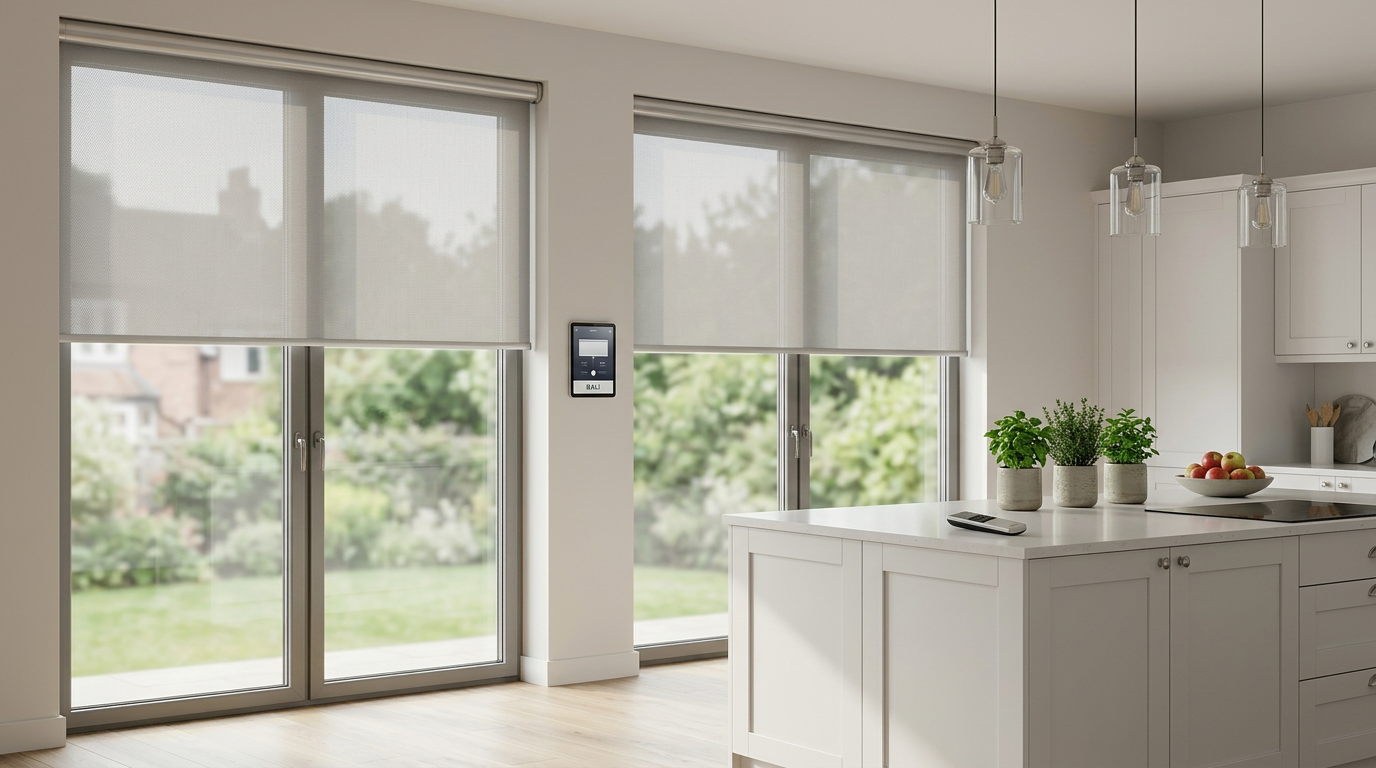
Bali is a well-established brand in the window treatment industry, offering a broad range of blind styles including roller blinds, cellular shades, Venetian blinds, and roman blinds. Their motorized range incorporates battery-powered or hardwired motors that allow you to control the blinds via remote control, wall switch, smartphone app, or even voice assistant.
The system works through a small motor tucked discreetly within the headrail of the blind. You can program multiple blinds to operate together or independently, creating schedules that suit your daily routine. For UK homeowners, this technology bridges the gap between traditional window dressings and the increasingly popular smart home ecosystem.
The Pros: Why Homeowners Love Bali Motorized Blinds
Effortless Convenience
The most obvious advantage is the sheer convenience. Imagine adjusting every blind in your living room without leaving the sofa, or setting your bedroom blinds to open automatically each morning at your preferred time. For many homeowners, this convenience alone justifies the investment.
This becomes particularly valuable for:
- Windows in awkward positions – Those high or hard-to-reach windows that have been gathering dust become fully functional
- Multiple rooms – Controlling blinds across several spaces takes seconds rather than minutes of fiddling
- Households with reduced mobility – Motorized blinds remove the physical strain of operating cords and rails
Enhanced Child Safety
Traditional corded blinds carry genuine risks for young children and pets. Bali motorized blinds eliminate this concern entirely by removing cords from the equation. For families with toddlers or pets prone to exploring, this safety benefit alone makes a compelling case.
The UK has seen growing awareness around child safety standards for window treatments, and cordless or cord-free options increasingly appear on shopping lists for nurseries and family homes.
Improved Energy Efficiency
When programmed strategically, motorized blinds can contribute to better thermal performance throughout your home. During winter, keeping them closed overnight reduces heat loss through glazing. In summer, lowering them during peak sunlight hours helps keep your home cooler without reaching for air conditioning.
Cellular Bali blinds, in particular, offer additional insulating properties with their honeycomb construction. Combined with motorised operation that ensures they’re always deployed at the right time, you can genuinely reduce your energy bills over time.
Seamless Smart Home Integration
Bali motorized blinds connect readily with popular smart home systems including Alexa, Google Home, and Apple HomeKit. This integration transforms them from simple window dressings into components of a cohesive home automation strategy.
You can create routines that trigger your blinds alongside lighting, heating, and entertainment systems. When you say “goodnight” to your voice assistant, your home can respond by lowering the blinds, dimming lights, and adjusting the thermostat in one coordinated movement.
Precise Light Control
Motorized operation delivers exact positioning that cord-operated blinds rarely achieve. Whether you want complete blackout for afternoon naps or a specific angle to diffuse harsh sunlight while preserving your view, motorised blinds can hit the mark consistently.
For home offices and media rooms where lighting conditions matter enormously, this precision proves invaluable.
The Cons: Potential Drawbacks to Consider
Higher Initial Investment
Motorized blinds cost considerably more than their manual counterparts. The motor mechanism, battery compartment, and control technology all add to the production cost, which transfers to the retail price.
A standard roller blind might set you back £30-£50, whereas an equivalent motorized version could easily reach £150-250 or more, depending on size and fabric choice. For a full house of windows, these costs compound quickly.
Ongoing Maintenance Considerations
The motor and electronic components introduce maintenance considerations that traditional blinds don’t have. Batteries require periodic replacement—typically every six to eighteen months depending on usage frequency. Eventually, the motor itself may need servicing or replacement, adding to the lifetime cost of ownership.
Dependency on Power Supply
Battery-powered blinds will eventually run out of charge, typically at an inconvenient moment. While most systems provide advance warning through a blinking indicator, it still means planning battery changes as part of your regular home maintenance.
Hardwired options address this issue but require professional installation and involve disruption to your walls and décor. The decision between battery and hardwired deserves careful consideration based on your specific circumstances.
Installation Complexity
While DIY installation is possible for handy homeowners, motorised blinds demand more precise measuring and fitting than manual alternatives. The margin for error shrinks considerably when electronic components are involved.
Incorrect installation can lead to operational issues, noise problems, or damage to the motor. Many homeowners opt for professional installation, particularly for hardwired systems, which adds to the overall cost.
Limited Repair Options
When a traditional blind mechanism fails, repairs tend to be straightforward and inexpensive. Motorised blinds, by contrast, may require specialist attention when something goes wrong. Depending on the availability of service technicians in your area, repair timescales could extend considerably.
Privacy Concerns with Smart Systems
Connected systems inherently carry small cybersecurity considerations. While the risk is minimal for most homeowners, those with heightened security requirements—perhaps working from home with sensitive materials—may feel uneasy about network-connected window controls.
Ensuring your home network uses strong passwords and keeping firmware updated goes some way to addressing these concerns, but they don’t disappear entirely.
Practical Considerations for UK Homeowners
Measuring for Motorised Blinds
Accurate measurement proves even more critical for motorised systems than standard blinds. Each blind must fit precisely within its frame, with adequate clearance for the motor housing while maintaining smooth operation.
Consider whether you’re fitting within the recess or onto the frame itself. Recess fits require careful width and drop measurements, accounting for any tiles, cables, or uneven surfaces that might impinge on the blind mechanism.
Planning Permission and Regulations
In most cases, installing blinds including motorised versions won’t require planning permission. However, if your property is listed or located within a conservation area, certain restrictions may apply to window treatments visible from outside.
Building regulations generally don’t cover internal window furnishings, but it’s worth checking with your local planning authority if you have any concerns about your property’s status.
Choosing Between Battery and Hardwired
Battery-powered options suit most existing properties where running new wiring would prove impractical. They offer flexibility for renters or those uncertain about long-term plans.
Hardwired systems make more sense for new builds, major renovations, or properties undergoing complete rewiring. The installation disruption becomes worthwhile when you’re already undertaking significant works.
Budget Planning
Before purchasing, calculate your total investment carefully:
| Element | Typical Cost Range |
|---|---|
| Individual motorised blind | £150-350+ |
| Professional installation | £50-150 per blind |
| Smart home hub (if required) | £50-150 |
| Annual battery replacements | £10-30 per blind |
These figures vary considerably based on blind type, size, fabric quality, and whether you opt for professional installation.
Making Your Decision
Bali motorised blinds represent genuine innovation in window treatment technology. For the right property and the right homeowner, they deliver meaningful benefits in convenience, safety, energy efficiency, and smart home integration.
However, they’re not a universal solution. The higher upfront cost demands careful evaluation against your actual needs. Consider whether the convenience factor genuinely enhances your daily life, or whether a simpler upgrade might serve equally well at lower cost.
Think too about your long-term plans. If you’re settled in a property for years to come, motorised blinds often prove worthwhile. If you anticipate moving within a few years, factor in whether the investment transfers value to new owners.
Your home should work for you, not the other way around. If motorised blinds align with how you actually live—particularly if you have mobility considerations, young children, or an existing smart home setup—they could prove an excellent investment. If these benefits don’t resonate with your circumstances, quality manual alternatives remain entirely sensible choices.
Take your time, measure carefully, and choose a reputable supplier who offers solid after-sales support. The right window treatments should enhance your home for years to come.