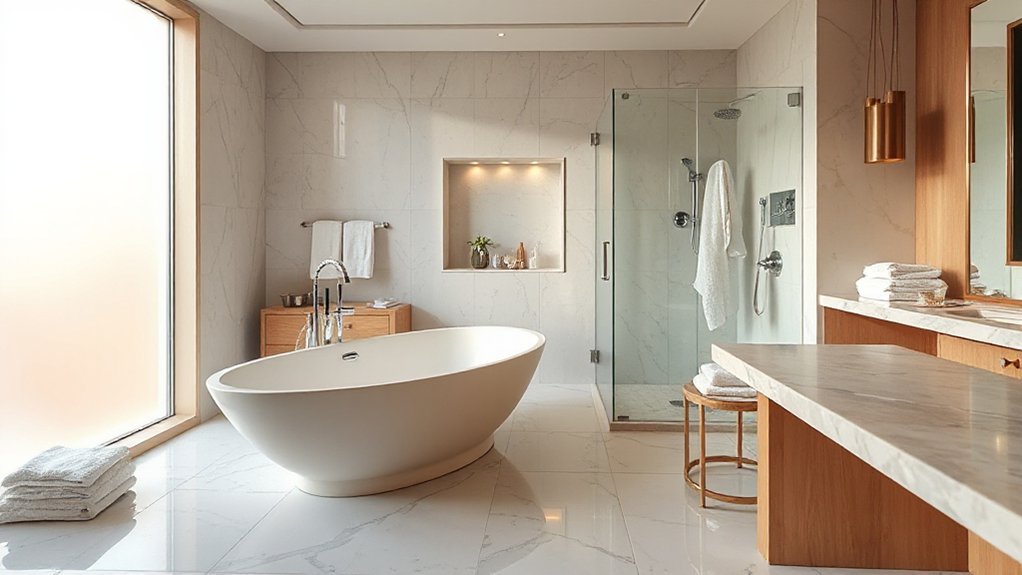
Your budget sits on a tightrope, balancing high-end fixtures and bespoke design against practical limits. In the UK, luxury bathroom costs span roughly £10,000 to beyond £30,000, influenced by size, materials, and tech. You’ll find premium finishes, smart systems, and meticulous workmanship drive the majority of the tab, with hidden fees like permits and waste handling lurking beneath. If you want a durable, eco-conscious spa at the top end, you’ll need a precise plan and clear value triggers—and that’s just the start.
Establishing the Pricing Framework for a Luxury UK Bathroom
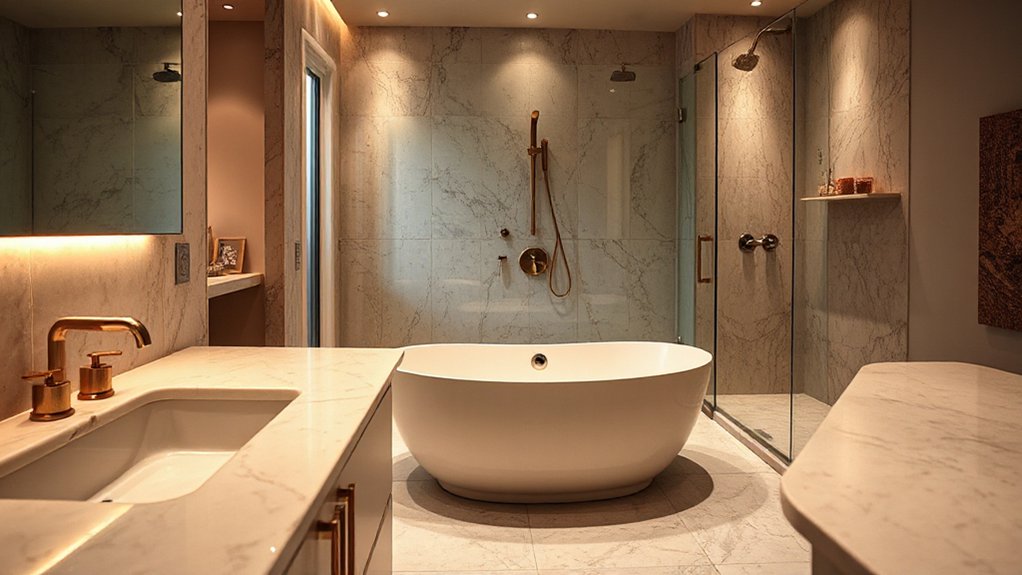
Start with core structure: waterproofing, walls, flooring, fixtures, storage, lighting, ventilation, and electrical provisioning.
Add premium elements: Vintage fixtures and Smart technology, evaluating procurement lead times, maintenance needs, and warranty terms.
Apply a bill of quantities that lists unit measurements, standard dimensions, and installation labor categories, assigning conservative unit costs based on current market data.
Separate capital expenditure from soft costs such as design fees, project management, and compliance certifications.
Establish escalation factors for material volatility and schedule risk.
Use a transparent markup policy aligned to scope complexity, ensuring traceable, auditable pricing decisions.
Typical Price Bands by Bathroom Size and Scope
Typical price bands for a luxury UK bathroom vary with size, scope, and finish level. In a data-driven frame, you’ll see smaller ensuites (around 2–3 m²) priced lower, while full master baths (over 6 m²) rise proportionally due to material quality and fixture counts.
Basic finishes with standard tiles and sanitaryware anchor the lower range, whereas premium brands, spa showers, and custom furniture push you toward the upper band.
Expect mid-range totals to reflect moderate plumbing complexity, ventilation considerations, and fixings that balance cost with reliability. Bathroom ventilation and plumbing upgrades influence both efficiency and longevity, adding discrete but meaningful cost contributions.
Precision budgeting should separate installation labor from bespoke elements, ensuring you can gauge incremental spend by scope rather than by size alone.
What Drives Luxury Bathroom Costs in the UK
Several key cost drivers shape luxury UK bathroom prices, and identifying them helps you budget with precision. Project scale and complexity set base costs, as larger spaces demand more materials, fittings, and skilled labor.
Fixture selection, including designer taps and bathtubs, adds premium charges even before installation.
Labor intensity, timing, and site conditions influence labour rates and scheduling reliability.
Material choices drive value; eco-friendly materials and durability often carry higher upfront costs but lower lifecycle expenses.
Margins for specialist trades, like plumbing, electrical, and tiling, vary with project risk.
Sustainability practices, such as waste minimisation and energy-efficient systems, can affect procurement and compliance costs.
Geographic location and permit requirements further shape pricing fluctuations, reinforcing the need for a disciplined budget and phased decision-making.
Premium Fixtures: What’s Worth the Splurge and Why
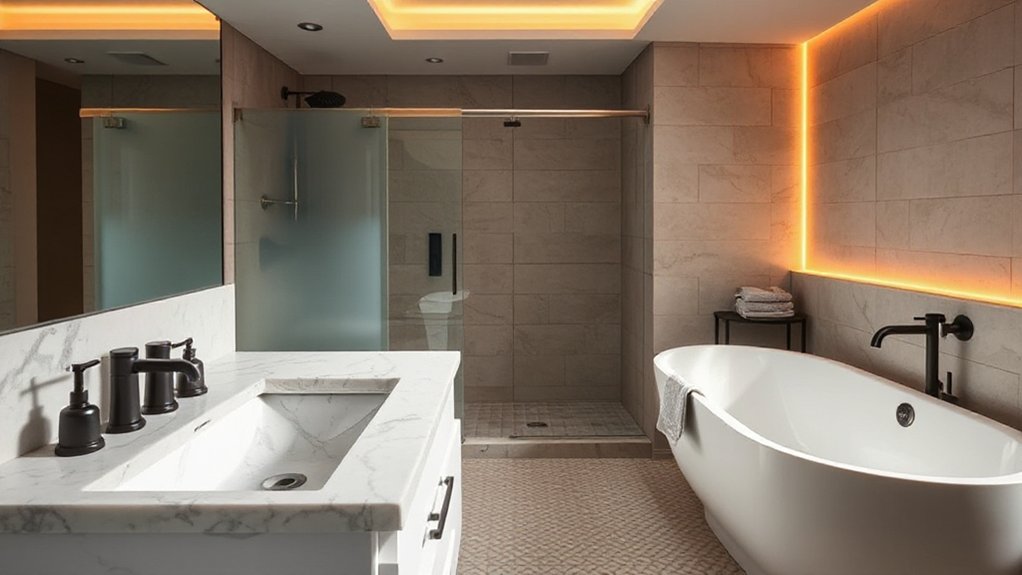
Premium fixtures define the value edge in luxury UK bathrooms by balancing aesthetics, durability, and lifecycle cost. You should prioritize items with proven reliability, warranty coverage, and service networks, not just brand name.
In this context, a Luxury spa experience hinges on efficient water controls, precise temperature stability, and quiet operation, reducing long-term maintenance and downtime.
High end accessories contribute measurable value when they offer sustainable materials, water-saving performance, and consistent fit across modules.
Compare total cost of ownership across brands, including installation, replacement parts, and energy use.
Avoid oversized extravagance; target fixtures that deliver both visual impact and predictable performance curves.
The strongest ROI comes from components with durable finishes, readily available spares, and verifiable test data.
Finishes and Materials That Add Value (and Price)
When selecting finishes and materials, you should prioritize those with proven durability, minimal maintenance, and predictable lifecycle costs, even if they carry a higher upfront price.
In UK luxury bathrooms, material choice drives long-term value more than initial appearance. Eco-friendly finishes reduce lifecycle environmental costs and may qualify for green incentives, improving overall total cost of ownership.
Porcelain and ceramic tiles offer durability with low maintenance, while real stone increases upfront spend but may justify its price with longevity and perceived premium.
Vintage fixtures can boost resale value when integrated carefully, though compatibility with modern systems matters.
Solid brass hardware resists corrosion and wear, yet costs more than plated alternatives.
Balance aesthetics with moisture resistance, slip resistance, and supplier warranties to quantify value.
Design, Planning, and Professional Fees Explained
Design, planning, and professional fees set the baseline for a luxury bathroom project, and understanding them early helps safeguard budget and timelines. You’ll typically see charges for design consultations, project management, engineers, and necessary permits.
Expect architectural input if layouts or structural changes occur, plus oversight during procurement and on-site coordination. Data shows planning costs average 8–15% of total project spend, with variances by scope and region.
Budget for professional fees should reflect complexity, supplier vetting, and compliance checks. Vintage fixtures can elevate documentation needs and lead times, potentially raising design fees modestly.
Eco-friendly designs often influence selection of sustainable materials and systems, impacting both planning and ongoing maintenance budgets.
Clear contracts, milestone payments, and documented change control help contain risk and ensure timely delivery.
Tiling and Carpentry: Labor vs. Materials Breakdown
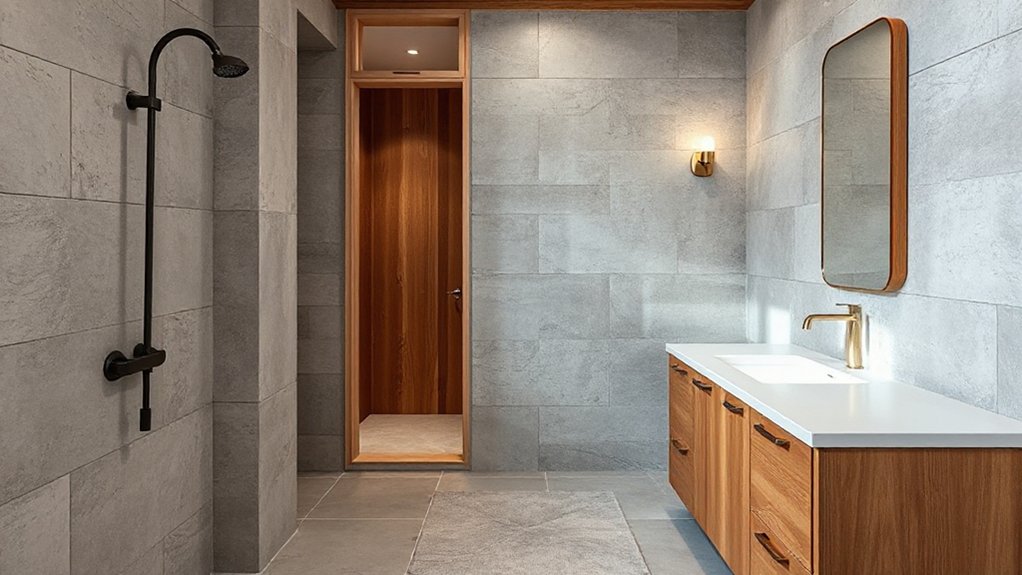
Tiling and carpentry costs split into labor and materials, and understanding this breakdown helps you control the cheapest path to a luxury finish. In this section, you’ll quantify components: tiles, adhesives, grout, trim, and finishing carpentry.
Labor typically dominates complex applications, especially with custom tile patterns and precise alignment. Materials vary by grade; premium porcelain or natural stone raises upfront costs but can reduce long-term maintenance.
For carpentry, expect measurements, cutting, and fitment to account for a substantial portion of the bill, with artisan woodwork delivering standout details. Efficiency matters: bulk purchases, exact tolerances, and pre-fabrication minimize waste.
Track unit prices, hourly rates, and project milestones to compare scenarios. A disciplined breakdown informs decisions that balance aesthetics, durability, and total cost.
Hidden Costs to Expect in Luxury Installs
Hidden costs often catch homeowners by surprise, so you should plan for items that aren’t always listed in upfront estimates. In luxury installs, you’ll encounter charges that reflect real-world execution, not ideal plans. Expect deviations due to finish choices, site access, and compliance demands.
The data show that ancillary costs can approach 10–20% of the base project, so tracking them matters. This section highlights predictable add-ons, including eco friendly upgrades and accessibility considerations, which influence budget as much as aesthetics.
1) Subfloor, preparation, and reinforcement
2) Permit and inspection fees, plus regulatory fees
3) Specialty fixtures delivery, handling, and waste removal
4) Finishes, trims, and eco friendly upgrades beyond standard spec
How to Save Smarter Without Compromising on Luxury
To save smarter without compromising luxury, start with a clear budget framework that separates must-haves from nice-to-haves and tracks every additive cost. You’ll quantify each element’s impact on overall value, focusing on durable materials and reliable brands to reduce long-term maintenance.
Prioritize eco-friendly features that lower operating costs, such as water-saving taps, efficient heating, and sustainable finishes, while avoiding trendy investments with rapid depreciation.
Leverage standardized dimensions and modular layouts to minimize custom fabrication, speeding install timelines and reducing waste.
Seek accessibility adaptations that enhance usability without compromising aesthetics, like gentle-closure cabinetry and non-slip surfaces, which often add value for resale.
Maintain rigorous documentation, compare quotes transparently, and verify warranties to protect future investments in a luxury bathroom.
Planning a Leak-Free, Durable Luxury Bathroom on a Budget
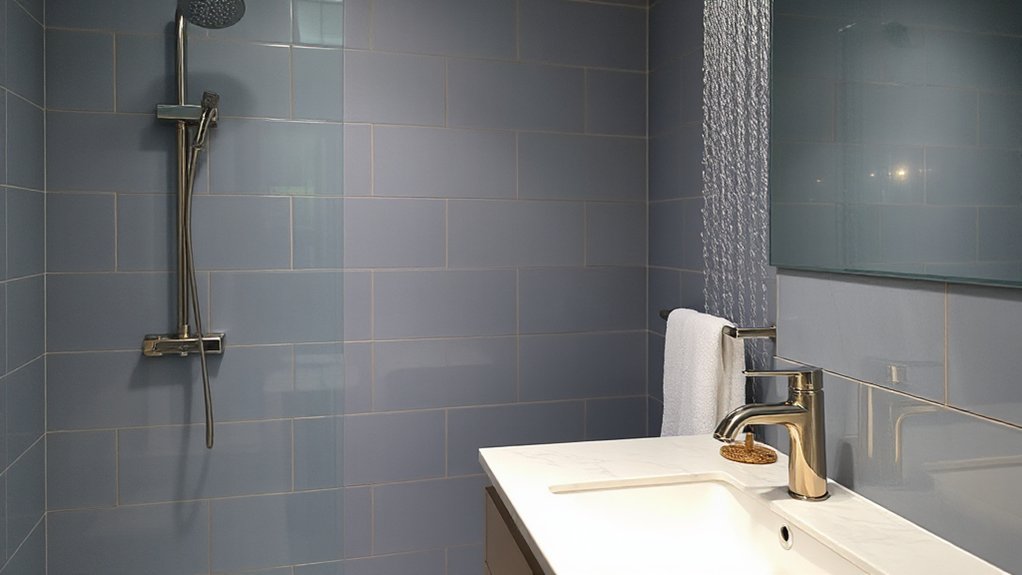
You can plan a leak-free luxury bathroom by selecting budget-friendly materials with proven durability and moisture resistance.
By prioritizing smart leak prevention—such as reliable seals, proper slope, and discreet drainage—you reduce long-term maintenance costs.
This approach combines cost awareness with measurable durability data to guide your material choices and installation details.
Budget-Friendly Materials
When budgeting for a luxury bathroom, choosing cost-effective materials that still meet durability and leak-resistance goals is essential. You’ll compare performance data, lifecycle costs, and warranty coverage to select reliable options without compromising quality.
Prioritize proven, low-maintenance choices that resist moisture and temperature changes, while aligning with project deadlines and installation costs. Eco-friendly materials and vintage fixtures can balance budget with style, provided they meet durability benchmarks and supply chain reliability.
- Recycled-content porcelain tiles with proven wear ratings
- Engineered quartz countertops offering low maintenance and long lifespans
- Water-efficient fittings compliant with UK standards and warranties
- Eco-friendly materials like certified plywood or MDF with moisture resistance
Note: Vintage fixtures can be considered if certified for leak-resistance and sustainability.
Smart Leak Prevention
Use data from local codes and manufacturers to select components with robust warranties and documented service lives. Implement a preventative program emphasizing regular inspections, proactive flushing, and timely replacements before wear accelerates.
Schedule quarterly plumbing maintenance checks and annual pressure tests to catch trends early, then log all findings for trend analysis. Choose moisture sensors in high-risk zones and integrate with smart alerts to reduce response times.
This disciplined approach minimizes costly renovations while preserving luxury aesthetics and long-term reliability.
Frequently Asked Questions
How Long Does a Luxury Bathroom Installation Typically Take?
A typical luxury bathroom installation takes about 2–3 weeks for planning, sourcing, and fitting. You’ll see data-driven progress through scheduling, with bathroom fixtures installation prioritized, ensuring design aesthetics align and timelines stay conservative and well-documented throughout.
What Permits or Approvals Are Required for UK Luxury Bathrooms?
Building regulations require adherence; planning permissions are needed only in specific cases. You’ll likely need proof of approvals, inspections, and notified schemes. You coordinate with building control, avoid delays, and guarantee data-driven, precise documentation. Coincidence guides your decisions.
Do Premium Brands Justify Warranty and Service Costs?
Yes, premium brands justify warranty and service costs if their brand reputation correlates with proven service quality and responsive support; you’ll benefit from higher reliability, longer coverage, and data-driven assurances, reducing long-term maintenance risk and total ownership costs.
How Does VAT Affect Luxury Bathroom Pricing in the UK?
VAT affects luxury pricing by raising final costs through rate changes and exemptions; you’ll see higher quotes when VAT applies to premium fixtures, affecting overall affordability. VAT implications shape budgeting, parity across suppliers, and perceived value in luxury pricing.
What Maintenance Costs Recur After a Luxury Bathroom Is Installed?
Maintenance recurs as you live with it: expect regular bathroom cleaning to prevent buildup, and plan fixture replacement every 5–15 years as wear dictates. Coincidence hooks you: minor leaks or scuffs signal impending maintenance, guiding timely actions.
Conclusion
You now have a clear framework for budgeting a luxury UK bathroom, grounded in data and careful planning. Expect price bands to reflect size, fixtures, and sustainability, with premiums for bespoke finishes and smart systems. Prioritize value-driven choices, estimate labor vs. materials, and account for hidden costs up front. Plan for durability and leak prevention, while selecting trusted installers. Your budget should evolve with quotes, design refinements, and contingencies—like a well-tuned engine, running smoothly under load.