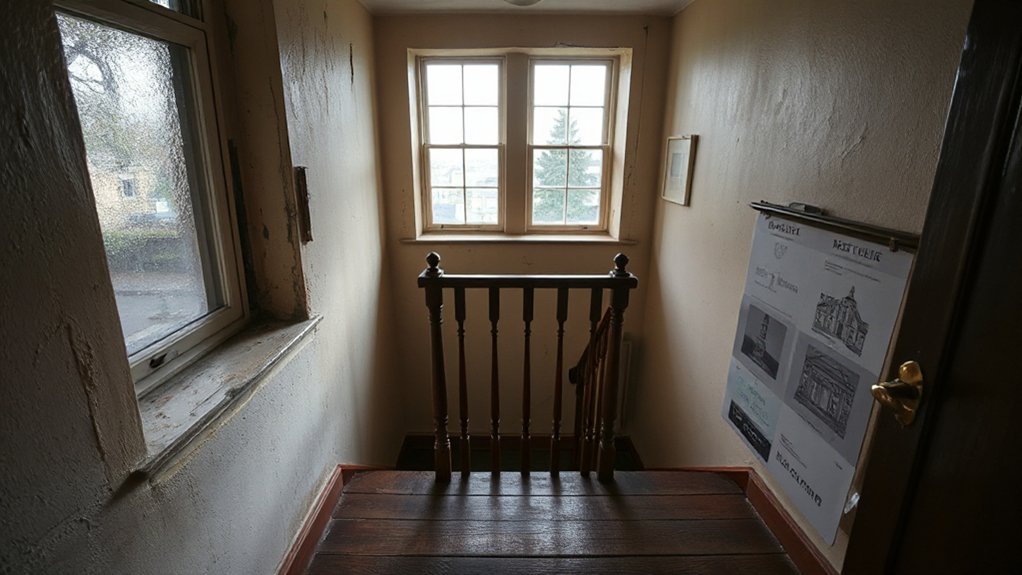
In Edinburgh’s historic flats, you’ll assess period features like high ceilings, sash windows, plasterwork, and uneven layouts that shape acoustics and upkeep. Check building fabric and structural quirks—thick walls, damp, hidden pockets, and chimney remnants—alongside service routes and radiator placement that affect furnishing. Confirm safety and listed-building constraints, including alarms and egress. Evaluate heating age, efficiency, and energy costs, plus daylight, drafts, and window performance. If you keep exploring, you’ll uncover practical steps for a confident viewing.
What Historic Edinburgh Flats Look Like and What That Means for You
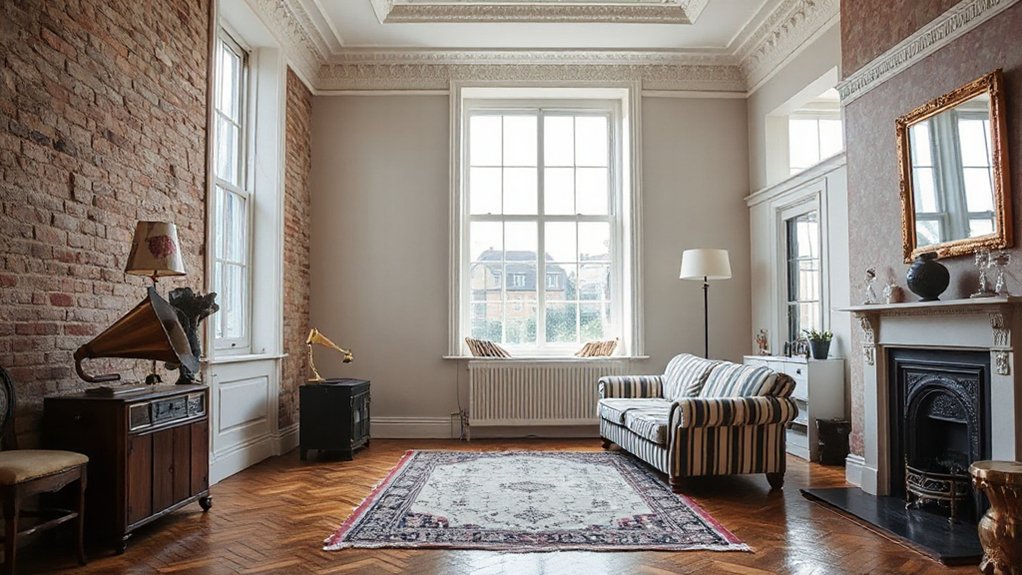
Historic Edinburgh flats typically feature high ceilings, sash windows, timber floors, and plasterwork details like cornices and ceiling roses. You’ll encounter uneven floor levels or soft thresholds that reveal original layouts, aiding you in evaluating space flow and potential renovation needs.
Architectural features such as cornicing, plaster medallions, and ornate fireplaces indicate period character, while contemporary interventions in kitchens and baths signal modernization.
Interior decor choices, including timber finishes, muted palettes, and period hardware, shape perceived space while influencing acoustics and warmth.
You’ll note service routes, radiators, and chimney breasts that affect furniture placement and potential structural constraints.
Building fabric—wall thickness, damp spots, and plaster stability—impacts maintenance costs and suitability for long-term tenancy.
Document contrasts between preserved details and updated elements to gauge authenticity versus practicality.
Safety Basics: Codes, Inspections, and Listed-Building Constraints
You’ll want a clear grasp of building code essentials, so you know what safety standards your rental must meet and what a landlord is obligated to provide.
We’ll cover inspection scheduling tips to keep assessments timely and thorough, with emphasis on accessibility, fire safety, and structural integrity.
Finally, you’ll learn how listed-building constraints shape what changes you can propose and how to navigate permissions without blocking your move-in.
Building Code Essentials
Electrical safety, fire codes, and accessibility standards govern how historic buildings can be occupied, inspected, and maintained. You should understand which regulations apply to listed structures, how inspections are scheduled, and what exemptions or constraints may exist.
- Foundation stability: verify that foundations and load paths meet current thresholds without compromising historic fabric.
- Fire safety regulations: confirm alarms, egress, and suppression systems align with adopted baselines while acknowledging listed-building constraints.
- Structural reporting: request contemporary assessments that document material condition, movement, and remedial options.
- Compliance boundaries: identify which elements are exempt, which require approvals, and how upgrades preserve architectural integrity.
This approach keeps you prepared for lawful occupancy while respecting preservation requirements.
Inspection Scheduling Tips
When scheduling inspections for a listed building, coordinate timing with the property’s owner, local planning authority, and any conservancy or heritage bodies to guarantee access constraints and approval timelines are understood up front.
You’ll optimize the sequence by mapping inspection windows to permit issuances, avoiding peak workload periods, and aligning with conservation milestones.
Employ virtual tours to preliminarily assess spaces and identify potential access issues before on-site visits, reducing unnecessary trips.
Document required documentation, safety requirements, and equipment needs in a concise briefing for each party.
Build in scheduling flexibility to accommodate weather, notice periods, and permit delays, while preserving critical inspection integrity.
Communicate changes promptly, update calendars, and confirm reschedules in writing to sustain accountability and maintain regulatory compliance.
Listed-Building Constraints
- Architectural heritage considerations
- Preservation guidelines and approvals
- Permitted alterations and documentation
- Inspection scopes and timelines
How to Evaluate Boiler Age, Energy Efficiency, and Heating Costs
You’ll start by checking boiler age indicators, such as manufacture date on the unit, installation tags, and service records, since age correlates with efficiency and potential maintenance needs.
Next, assess energy cost factors by reviewing annual gas or electricity consumption, boiler type, and insulation quality to estimate running expenses in a historic Edinburgh flat.
Finally, note that older systems may carry higher replacement or repair risks, so plan for potential upgrades or retrofits when comparing properties.
Boiler Age Indicators
Boiler age is a practical proxy for reliability and operating costs in historic flats, so start by identifying the year the unit was installed or last replaced. You’ll assess age alongside visible condition, labeling any corrosion, leaks, or rust that hint at declining reliability.
Compare boiler type and efficiency ratings (seasonal efficiency, if shown) to expected standards for refurbishment-era buildings. Note the control type, return temperatures, and whether a conversion to modern heating is feasible without compromising historic fabric.
Seek documentation on maintenance history and last serviced date. Boiler maintenance and heating efficiency correlate with future bills and comfort.
- Inspect installation date and service records
- Check for obvious corrosion or leaks
- Verify controls and thermostat responsiveness
- Assess potential efficiency upgrades without relicensing requirements
Energy Cost Factors
Efficiency indicators matter: compare seasonal efficiency ratings, check for backflow prevention, and observe cycling behavior during peak hours.
Estimate yearly heating costs using past bills, then compare against unit insulation and window quality.
Look for energy saving appliances in auxiliary systems, such as smart thermostats and low-flow taps, which can reduce usage without sacrificing comfort.
Discuss insulation improvements with the landlord, including loft, cavity, and wall treatments, as they lower demand and stabilize bills.
Document findings, then prioritize upgrades based on payback potential and historic preservation constraints.
Daylight, Drafts, and Window Performance in Old Buildings
Old buildings in Edinburgh often expose windows to unique daylight patterns, limited by thick masonry and historic sash designs. Understanding these factors helps you gauge how bright a flat will feel at different times of day.
You assess daylight, drafts, and window performance with precision, noting how sash weights and glazing gaps influence heat loss and air flow. Watch for condensation on inner panes, which hints at insulation quality, and test opening mechanisms for ease of use.
Prioritize windows with well-sealed frames for comfort and efficiency. Consider how natural lighting shifts across seasons to plan furniture layouts.
- Window insulation and sash integrity check
- Glazing type, seals, and draft paths
- Daylight quality at morning, noon, and dusk
- Seasonal brightness and heat retention
Party Walls, Neighbour Noise, and Building Boundaries
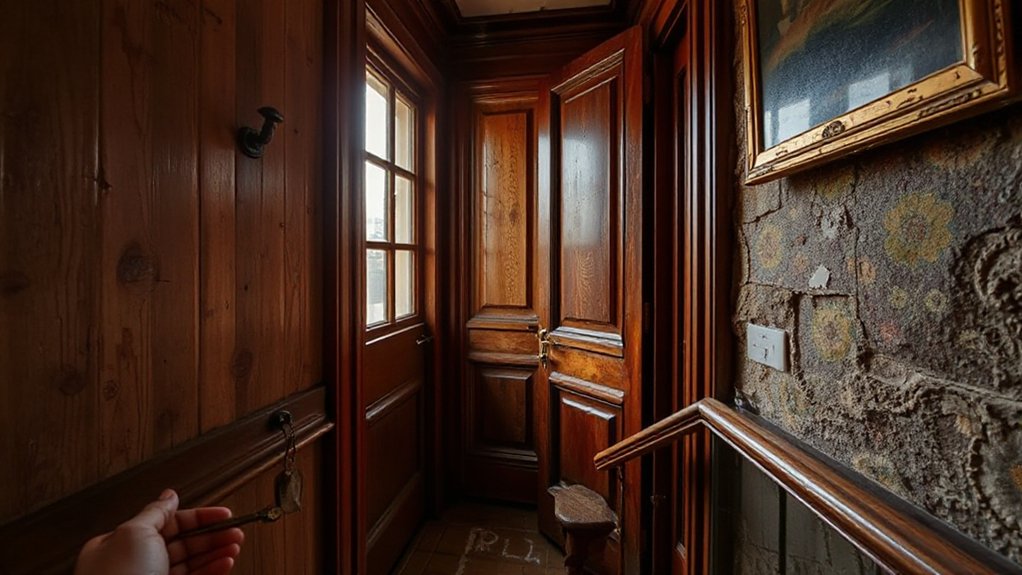
When moving through Edinburgh’s historic flats, you’ll encounter party walls that define shared spaces and influence sound transmission, fire safety, and boundary responsibilities. You need to assess wall construction, thickness, and proximity to limits, since these factors affect acoustic performance and legal duties.
Check for soundproofing measures, including insulation, resilient channels, and sealant integrity at joints, to gauge neighbour noise mitigation.
Review building boundaries, survey plans, and legal notices to confirm ownership, maintenance obligations, and access rights.
Inquire about recent repairs or alterations to party walls, especially where lime plaster, lime mortar, or timber framing appear; such elements can alter vibration paths and fire ratings.
Document any visible cracking, damp spots, or movement, as these signal potential structural or moisture issues impacting long-term tenancy.
If concerns arise, request expert guidance.
Hidden Storage, Stair Access, and Layout Quirks
Hidden storage spaces, stair access patterns, and quirky layouts can considerably influence daily living in historic Edinburgh flats. When you assess a property, map hidden compartments and their access points, noting whether doors swing into usable space or conceal stairs, beams, or plumbing.
Pay attention to narrow staircases: tread width, handrail height, and turning radii affect movement and furniture placement. Evaluate how layout quirks impact circulation, daylight, and privacy between rooms.
Consider furniture fits around chimney breasts, alcoves, and recesses, avoiding awkward, unusable pockets. Check whether storage is scalable or merely decorative and whether keys or ladders are required for access.
Align these findings with your routines to prevent surprises post-move.
Your Edinburgh Historic-Flat Viewing Checklist
Priorities include Modern amenities integrated with original fabric, ensuring serviceable plumbing, heating, and electrical systems that respect historic constraints. Inspect insulation, damp indicators, and ventilation with a methodical eye, noting how upgrades align with listed-building rules.
Review Renovation history notes for legitimacy, scope, and documented approvals, and confirm compatibility with future maintenance.
Check circulation flow around stair cores, alcoves, and service passages to avoid bottlenecks.
Finally, evaluate storage, laundry, and communal facilities for reliability, accessibility, and consistent performance across seasons.
Frequently Asked Questions
How Do Listed-Building Restrictions Affect Renovation Feasibility After Renting?
Renovation feasibility depends on listing constraints; you’ll need to secure building preservation-aware approvals. You can implement limited, non-structural changes, but most renovations require permissions, professional assessments, and clear coordination with historic preservation authorities before proceeding.
Can I Install Modern Insulation Without Compromising Historic Value?
You can install modern insulation if it’s non-invasive and approved, but you’ll need to balance interior aesthetics with preservation rules. Make sure you maintain original features, avoid altering structure, and document materials for compliance and long-term value.
What Emergency Repair Responsibilities Fall to Tenants in Old Flats?
Like a precision clock, you’ll bear specific tenant liability for emergencies, and must follow established Emergency protocols. You’re responsible for basic repairs, notify promptly, and document issues; landlords handle major structural fixes and safety-system failures under policy.
Are There Grants or Rebates for Energy Upgrades in Historic Edinburgh Flats?
Yes, grants and rebates exist for energy upgrades in historic Edinburgh flats, often via energy efficiency schemes linked to Historic preservation goals; you’ll need to meet criteria and preserve character while improving efficiency.
How Should I Verify Access to Communal Attic or Cellar Spaces?
Confirm attic access and cellar entry before signing: inspect door heights, locks, and maintenance records; verify names on access rights, emergency exit routes, and key control. Document consent, flicker tests, and any shared-space restrictions for compliance.
Conclusion
When you’re viewing historic Edinburgh flats, you’re weighing character against practicality. Focus on safety codes, boiler age, and energy performance, then balance them with daylight, drafts, and layout quirks. Check party walls and boundary rights, and study hidden storage and stair access like a careful engineer maps a blueprint. Your best buy blends authenticity with low risk—bright, efficient, and compliant. Treat it like preserving a heritage asset: deliberate, precise, and worth the extra diligence, because quality endures like granite. Simile: enduring as stone. Another option is Air BNB if suitable.