You’re aiming to transform an antique fireplace into a striking focal point, balancing authenticity with living-room practicality. Start by evaluating era cues, then define a clear scope and budget. Plan finishes that honor history while feeling fresh, uncover hidden ornamentation with care, and select bold textures for a compelling surround. As you reimagine the surround with thoughtful tilework or brick ideas, expect decisions that shape a cohesive, gathered glow—and the next step will demand your precise timeline and milestones.
Define Your Statement Fireplace: Goals, Scope, and Budget
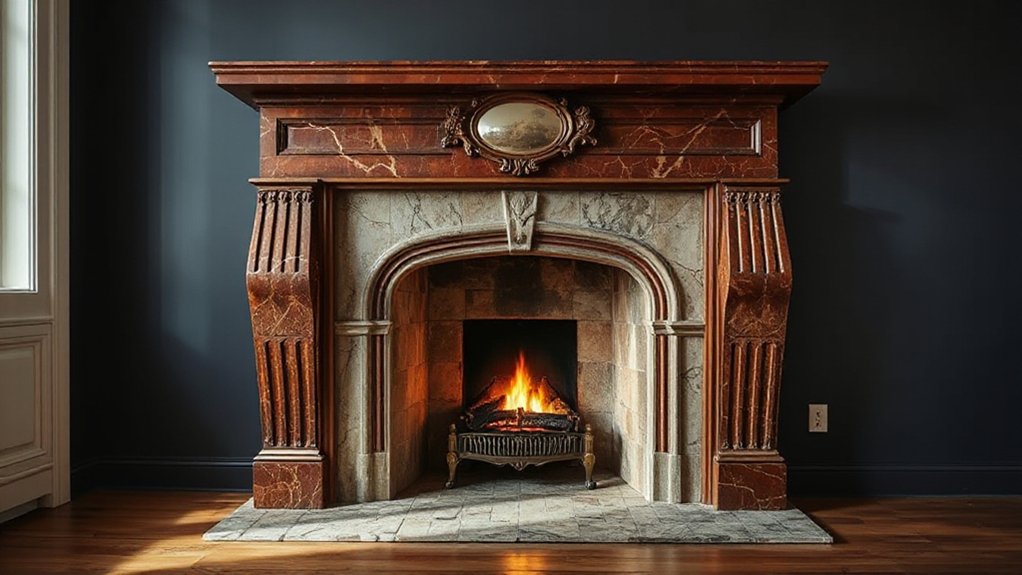
Start by clarifying your must-haves and nice-to-haves so you can set clear goals for the project. You’ll define the Statement Fireplace by solidifying purpose, visibility, and function.
Specify scope: materials, finishes, and structural adjustments, while noting any historical constraints. Establish a practical timeline that aligns with key milestones, repair work, and inspection requirements.
Ground decisions in Budget planning, allocating for core elements first and enabling contingencies without overreaching. Prioritize Historical accuracy in detailing, preserving original mantels, tilework, and hearth features where feasible.
Define acceptable trade-offs, such as modern inserts or re-facing, that retain authenticity while meeting safety codes. Document decision rationales for transparency with collaborators, and set measurement criteria to evaluate progress and final impact.
Conclude with a milestone review to confirm alignment with your vision.
Read the Mantel: Identify Era and Style Clues
To read the mantel effectively, look for era- and style-defining details such as moldings, profiles, and decorative motifs that signal a specific period. You’ll notice carved cornices, swag motifs, or fluted capitals that align with known design languages.
Compare proportions, mantel-shelf height, and surround geometry to documented templates from your target era. Pay attention to joinery and finish layers; early pieces often reveal handwork, patina, and tool marks that indicate hand-cut timber or period-appropriate veneers.
Document these cues with precise notes and photos, then label them by period and style. This approach sustains vintage charm while anchoring restoration in historical accuracy, helping you resist casual updates that erode authenticity and misrepresent the piece’s provenance.
Stay disciplined, observant, and objective.
Decide on a Design Framework: Period-Accurate vs. Modern-With-Respect
When you decide how to frame the restoration, you must choose between a period-accurate approach and a modern-with-respect philosophy, then align every decision to that framework. You’ll establish a clear baseline: do you seek Vintage charm through faithful materials and authentic detailing, or do you pursue a Modern reinterpretation that honors history while updating ergonomics and performance?
This framework governs sourcing, styling cues, and craftsmanship choices, ensuring consistency across the project. Define tolerances for patina, tool marks, and joinery, so every element reinforces the chosen stance.
Communicate the framework to collaborators and clients, so expectations stay aligned. A disciplined approach saves rework and strengthens the fireplace’s narrative, whether you lean into period fidelity or contemporary clarity, without compromising authenticity, safety, or perceived value.
Plan Finishes That Honor History and Feel Fresh
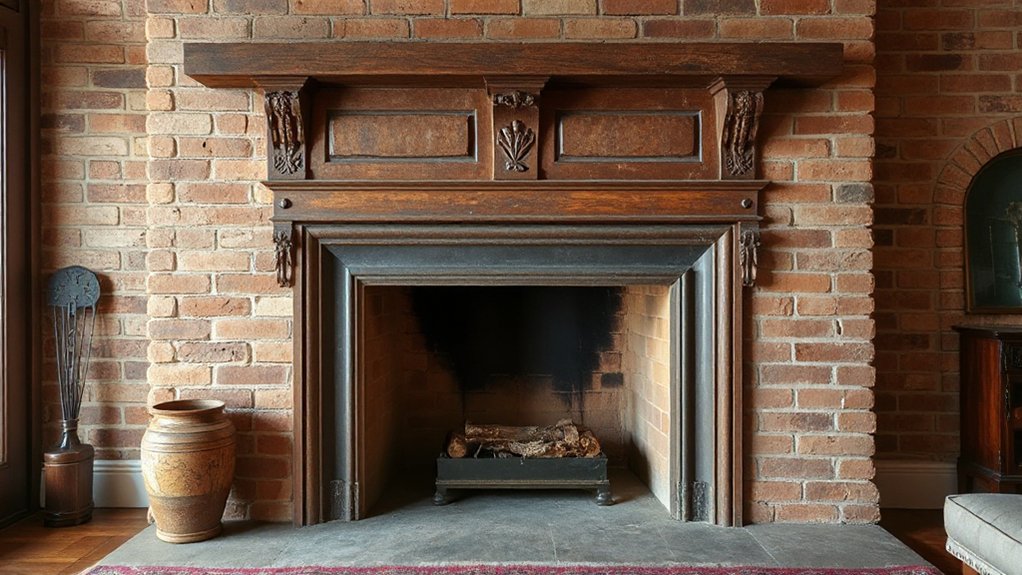
Ever, or subtly, choose finishes that respect history while keeping the fireplace feeling current. You’ll align your finish with your room’s palette, ensuring cohesion without erasing character.
Begin with Historical accuracy: research period-era tones, textures, and patinas, then translate findings into tasteful choices that don’t shout antiquity.
Material selection matters: select durable surfaces that endure heat and time, prioritizing authentic materials or faithful imitations. For stone, seek quarry-true grays or warm whites; for tiles, favor original scale and glaze. If metal presents, opt for antique-bronze or iron finishes that patina graciously.
Test finish samples in lighting and humidity, adjusting saturation to preserve contrast between mantel, surround, and wall. Document decisions for future restorations, and avoid trends that undermine provenance or structural integrity.
Uncover and Restore Hidden Ornamentation With Care
Hidden ornamentation can transform a fireplace, but uncovering it requires a disciplined, methodical approach. You begin with a careful assessment, noting existing material, joints, and potential fragility. Document everything, then proceed with restrained removal to avoid damage.
Use appropriate PPE and low-heat tools, keeping temps gentle to preserve original patina. When you encounter decorative details—mouldings, friezes, or carvings—pause, then plan ornamentation discovery in layers, preserving substrate while exposing beauty.
Clean only when necessary, using non-abrasive methods that respect centuries of craftsmanship. If material stabilizes, consolidate with compatible adhesives and assess gaps for reversible fills.
Throughout, maintain meticulous records of findings, treatments, and replacements. Your goal is to reveal authentic, decorative accents that enhance the fireplace’s character without compromising its integrity or history.
Choose Safe, Efficient Upgrades That Fit the Era
You’ll evaluate safe upgrade options that respect the fireplace’s era, prioritizing systems and materials with proven reliability.
Consider era-appropriate efficiency, aiming for meaningful gains without compromising historical character or venting integrity.
Confirm fitment and ventilation choices are sound, well-installed, and coordinated with existing masonry and chimney dynamics.
Safe Upgrade Options
Are you looking to modernize an antique fireplace without compromising its period charm? When selecting upgrades, prioritize options that preserve Historical accuracy while enhancing safety and efficiency.
Opt for fireplaces, inserts, or surrounds that match the era’s proportions, finish, and detailing, even if they’re modernized with advanced materials. Material compatibility matters: choose non-corrosive, heat-resistant components designed for legacy hearths, and verify clearances with current codes.
Favor vented models or properly sealed inserts that retain the original silhouette, avoiding bulk that overwhelms the architecture. Where glass doors are installed, select low-profile, tempered options that don’t obscure craftsmanship.
Cap accessories and fuels to align with the era’s typical usage. Document substitutions and retain original mantels to maintain cohesive visual lineage.
Era-Appropriate Efficiency
To balance era-appropriate charm with modern efficiency, focus on upgrades that respect the fireplace’s period silhouette while delivering safer, cleaner heat. You’ll prioritize discreet, technically sound solutions that preserve the visual language while upgrading performance.
Choose sealed, EPA-rated inserts that fit within the firebox without altering framing, ensuring reduced emissions and easier maintenance. Opt for radiant or convection methods that complement the mantel, avoiding large, conspicuous changes.
For fuel, prefer gas or sealed wood-burning units with high efficiency ratings and adjustable flames, minimizing drafts and heat loss.
Insulation around the fireplace should be improved with breathable, period-appropriate materials, reducing heat leakage without compromising appearance.
This approach preserves vintage charm, delivers Modern comfort, and keeps you aligned with the era’s spirit.
Fitment and Ventilation Considerations
Ensuring proper fitment and ventilation starts with selecting inserts and surrounds that align with the fireplace’s era while delivering safe, efficient operation. You’ll assess available inserts for firebox dimensions, clearances, and mounting methods, prioritizing units with reputable safety certifications.
Opt for surrounds that preserve period details while accommodating modern venting requirements, reducing visible gaps and maintaining proportionality. Ventilation upgrades should enhance draft control without compromising aesthetics, such as sealed combustion and properly sized flues.
Anticipate fitment challenges by mapping masonry irregularities, chimney height, and hearth depth, then choose adaptable trims and chase covers to close gaps neatly.
Decide on performance goals—low emissions, clean burning, reliable ignition—and verify compatibility with your chimney liner. Precision planning prevents retrofits that look forced and sustains both safety and visual harmony.
Select Bold Textures and Materials for a Focal Surround
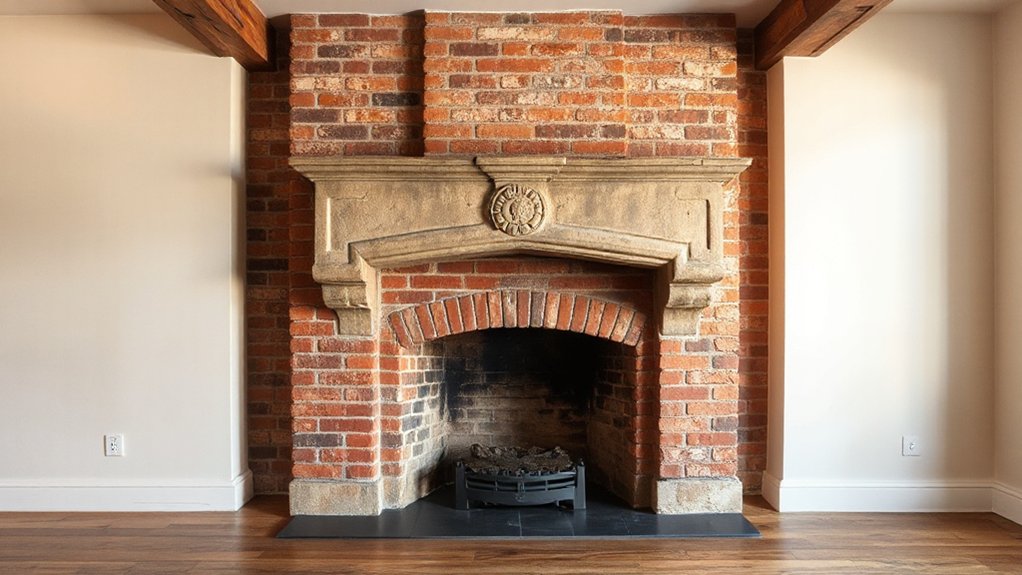
Bold textures and materials can instantly elevate a focal fireplace surround, making it the room’s strongest design statement. You choose finishes that endure, balancing authenticity with modern tact. Opt for rich stone, polished terracotta, or matte plaster to frame the mantle with confident presence.
Pair bold surfaces with restrained color to let the texture do the talking. Then layer subtle decorative accents that read as intentional details rather than filler. You’ll refine the focal point by coordinating with fireplace accessories and thoughtful lighting, ensuring the surround remains the eye’s anchor.
- Rich stone or terracotta with a low-sheen seal
- Smooth plaster or concrete in neutral tones
- Satin or semi-gloss wood trim for contrast
- Minimalist metal or ceramic decorative accents to complete the look
Reimagine the Surround: Tilework, Mantels, Brick Ideas
Layering tilework, mantels, and brick can redefine the fireplace as the room’s architectural centerpiece. You assess scale, texture, and contrast, selecting pieces that harmonize with period details without sacrificing modern function.
Opt for carefully spaced tile patterns, whether geometric or botanical, that echo historical accuracy while accommodating contemporary heat efficiency.
Mantels should reflect proportion and line—slender profiles for intimate spaces or bold, carved silhouettes for formal rooms—yet remain practical for daily use.
Brick ideas invite warmth: running bond for traditional charm or herringbone accents for a subtle update.
Integrate thoughtful fireplace accessories—screens, tools, and surrounds—that complement the chosen motif.
Prioritize cohesion, avoiding overly ornate elements that distract from the overall design and the fireplace’s authentic character.
Execute the Restoration: Timeline, Budget, and Milestones
With a clear design direction established, you can map a practical restoration timeline that aligns with your priorities and the room’s daily use. You’ll schedule milestones, allocate budget segments, and verify progress against safety and historical accuracy benchmarks, leveraging modern technology to document measurements and track materials.
Maintain disciplined change control to prevent scope creep and preserve authenticity throughout the process.
- Establish a phased timeline with critical path items and buffer for unforeseen delays
- Budget itemization by trades, materials, permits, and contingency, tracking in real time
- Set milestones tied to inspections, sourcing, and installation, confirming historical accuracy
- Use digital records and photo logs to safeguard decisions and support future maintenance
Finishing Touches for a Gathering-Ready Glow
You’ll want precise Finishing Touch Details that elevate the flame’s glow without overshadowing the piece.
We’ll explore Glow Enhancement Techniques that highlight carvings, patina, and firelight, while keeping safety and airflow front and center.
We’ll also share Gathering-Ready Ambience Tips to stage warmth, rhythm, and comfort for a gathered crowd.
Finishing Touch Details
When you’re ready to complete the look, selective finishing touches can elevate a gathering-ready glow from charming to show-stopping; choose burnished metals, warm undertones, and careful texture contrasts to create depth.
- Integrate vintage charm with streamlined hardware for a subtle dialogue between eras.
- Layer soft lighting and reflective surfaces to amplify ambience without glare.
- Choose rich, earthy palettes and tactile textures to add warmth and depth.
- Use understated moldings or stone accents to reinforce modern elegance while honoring history.
These details align with a refined aesthetic that respects provenance while presenting an intentionally curated focal point. The result feels cohesive, intentional, and instantly gallery-worthy, inviting guests to linger.
Balance ornamentation with restraint, ensuring every accent markets sophistication rather than distraction.
Glow Enhancement Techniques
To elevate a gathering-ready glow, focus on finishing touches that amplify warmth, texture, and reflection. You’ll refine the scene with deliberate choices, balancing firelight with surrounding surfaces.
Begin by selecting ember-safe finishes that yield subtle sheen, then emphasize contrast between timber mantel and stone for depth. Integrate recessed lighting sparingly to support fireplace lighting without overpowering it, ensuring glare is minimized.
Use soft, warm LEDs hidden behind decorative screens to accent texture rather than flood the room. Add a carefully curated set of accessories—metal, glass, and ceramic—that mirror flame hues and create reflected highlights.
Keep airflow steady, so the fuel bed breathes evenly, sustaining glow enhancement while preserving the antique character. This approach delivers a cohesive, refined focal point.
Gathering-Ready Ambience Tips
Creating a gathering-ready glow means layering subtle finishes, strategic lighting, and carefully chosen accessories to stage warmth without overwhelming the antique character. You refine ambience by balancing texture, color, and scent, ensuring the hearth remains the focal point without distraction.
Address fireplace myths by dispelling cluttered myths about too-restored looks; authenticity supports a more inviting scene. Maintain sightlines to the fire while preserving the surrounding architectural details.
Implement efficient maintenance routines for spotless detailing, avoiding dust or residue that dulls the glow. Your goal is refined coziness: thoughtful accents, controlled warmth, and tasteful symmetry.
- Subtle metallic accents that catch candlelight without overpowering the mantel
- Low, layered lighting for depth and warmth
- Clean, period-appropriate textiles and accessories
- Quiet, purposeful scent enhancements that don’t overwhelm
Frequently Asked Questions
How Do I Measure Fireplace Dimensions Accurately?
To measure fireplace dimensions accurately, you’ll record width, height, and depth from the outer edges, including any trim. Use a steel tape for precise increments, note alcoves or recesses, and measure opening height from the hearth to the lintel.
Record multiple readings at different points and average them.
When planning, consider Decorative tile choices and Fireplace surround materials to guarantee proportions align with your scale and avoid crowding the mantel or niche.
Which Safety Codes Apply to Restored Fireplaces?
Fire safety regulations and historic preservation guidelines apply to restored fireplaces. You must check local building codes, fire clearance, clearance from combustibles, and proper chimney venting.
Adhere to NFPA standards for clearances and spark arrestors, plus any state or municipal historic preservation rules before alterations.
You’ll need permits, inspections, and documented materials to satisfy authorities.
Follow professional guidance to guarantee renovations respect historic integrity while maintaining safe operation and compliance.
Can I Legally Remove or Alter Historic Mantels?
You shouldn’t remove or alter historic mantels without checking legal considerations first. In many jurisdictions, historic preservation rules protect mantel designs, requiring approvals, documentation, or modifications to meet standards.
You may face penalties or loss of exemptions if you proceed illegally. Before acting, consult local historic preservation authorities and obtain written permissions.
This is about legal considerations and respecting preservation guidelines, ensuring your project aligns with preservation laws while maintaining the mantel’s authentic character.
What Maintenance Schedule Keeps the Finish Authentic?
Like clockwork, you’ll keep it pristine. You should schedule ongoing maintenance every 6–12 months, depending on use, to retain authenticity.
You’ll perform gentle dusting, then Cleaning techniques with a soft brush and microfiber cloth, avoiding abrasive cleaners.
For finishes, choose finishing options that match the original patina, applying a breathable sealant if needed.
Maintain humidity, inspect for cracks, and re-wax or re-oil as required to preserve sheen and character.
How Much Value Does Restoration Add to a Home?
Restoration can add meaningful value, though amounts vary. You’ll boost resale appeal by highlighting historical significance and aesthetic enhancement, often translating to a higher market price and quicker sale in style-focused markets.
Quality workmanship, period-appropriate finishes, and documented provenance maximize impact. You should expect a gradient: modest upgrades may yield modest bumps, while authentic materials and expert craftsmanship can greatly lift perceived value and desirability for discerning buyers.
Conclusion
You’ve mapped a clear path: define, preserve, and renew with purpose. Embrace era clues, balance authenticity with fresh spirit, and document every decision so the fireplace earns its place as a focal point. With careful finishes, restored ornamentation, and bold textures, you’ll create a centerpiece that speaks with history and modern warmth. It will glow like a well-tuned orchestra, each note harmonizing into a gathering-ready, timeless focal point that invites conversation and admiration.