A rain barrel system starts at your roof: measure your area and plan a gravity-fed setup near a downspout. Pick a UV-stable barrel with a mesh screen, a downspout adapter, and an overflow to prevent flooding. Install the barrel on a sturdy base, connect the diverter to direct water into the barrel, and keep gutters clean. Test the flow, secure the lid, and follow local codes for safety and overflow; you’ll soon master efficient water use.
Why Rain Barrels Matter for Your Home
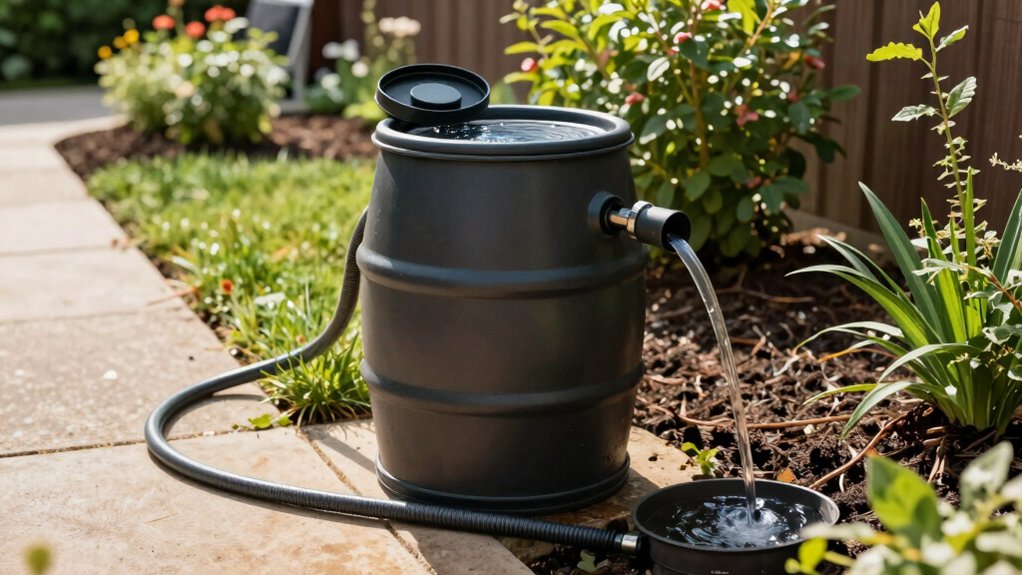
Rain barrels matter for your home because they capture free, clean water you’d otherwise lose to runoff. When you harvest rain, you support stormwater management by reducing peak flows, helping local drainage systems handle storms more calmly.
You’ll see water conserved for tasks like gardening and exterior cleaning, cutting your reliance on treated municipal supply. This practice also lowers erosion and runoff pollution, protecting nearby soils and waterways.
With practical use, you gain a reliable backup during dry spells, enabling you to water thoughtfully rather than guesswork. Using barrels fosters consistent water conservation habits, cost savings, and a smaller environmental footprint.
In short, rain barrels offer straightforward, tangible benefits for your property and neighborhood health.
Assess Your Property: Roof Area, Drainage, and Space
To size a rain barrel system, start by evaluating your roof area, drainage patterns, and available space. A precise property assessment helps you estimate catchment potential and plan placement. Measure roof square footage and note runoff directions to identify ideal barrel locations and downspout connections.
Consider drainage planning: where will water go during heavy rain, and how will you prevent pooling near foundations or walkways? Check access for maintenance, hoses, and overflow routing, ensuring you’re compliant with local codes.
Note shade, wind exposure, and seasonal weather because these affect evaporation and algae growth. Document obstructions like fences or sheds that could limit barrel placement.
With accurate measurements and clear goals, you’ll pick a system that fits your site and meets your water-saving targets.
Pick the Right Rain Barrel and Accessories for Your Yard
Choosing the right rain barrel and the right accessories starts with matching capacity and setup to your yard’s needs. You’ll pick a barrel size based on collected roof area, typical rainfall, and intended use of stored water. If you water gardens frequently, opt for a larger capacity; for occasional use, a compact unit works.
Consider where to place the barrel for gravity-fed drainage and easy access to the spigot. Attach a downspout adapter and a mesh filter to keep debris out and preserve flow.
Material options influence durability and price, so choose UV-stable poly or resin that won’t warp in sun. Color choices can matter in heat absorption and aesthetics.
Finally, select a basic overflow tube to prevent spills during heavy rain.
Beginner’s Step-by-Step Rain Barrel Installation
Even before you start, plan your setup for gravity-fed drainage and easy access. Begin with a solid site—compact, level ground near a downspout and away from doors.
Assemble components in the order the manufacturer specifies, checking seals and gaskets as you go. Attach the diverter to the gutter so water flows into the barrel without overflow. Use a screen or lid to keep debris and pests out, and ensure the outlet hose directs water away from foundations.
Install a sturdy stand or base to lift the barrel for gravity-assisted drainage, then add an overflow valve and a downspout elbow if needed.
For Rainwater harvesting efficiency, clean gutters regularly; gutter cleaning prevents clogs that reduce flow and storage capacity.
Test the system with a gentle pour and adjust connections.
Maintenance, Safety, and Local Code Considerations
Regular inspections and safe operation are essential after you install a rain barrel system. To stay compliant, check local codes for overflow, screening, and spacing, and document your inspections.
Prioritize leak detection and ensure hoses and connections remain tight to prevent water loss.
Develop simple cleaning procedures to prevent algae, sediment, and mosquitos from taking hold.
Use a stable base, keep the lid secured, and install a divert valve for winter use if required by code.
Safety matters: wear gloves, avoid climbing, and disconnect during freezing temperatures.
Regularly test the system, maintain gutters, and verify downstream drainage.
A proactive maintenance routine saves water, protects the environment, and minimizes repair costs.
- Local code checks for overflow, screening, and spacing
- Tighten all hoses and connections to prevent leaks
- Cleaning procedures to prevent algae and mosquitos
- Safe handling, gloves, and winter precautions
- Drainage verification and winter shutoff requirements
Frequently Asked Questions
How Often Should I Empty or Rinse the Barrel?
You should rinse and inspect your rain barrel monthly, and fully empty it at least twice a year. For rain barrel maintenance, rinse frequency increases after heavy rain or debris; keep screens clean to prevent clogging and standing water issues.
What Is the Cost Range for a Complete Setup?
Budget-friendly to deluxe, the cost range for a complete setup runs about $150 to $600, depending on size, materials, and features. Cost estimation considers rain gutter integration, filtration, and installation complexity as key price factors.
Can Rain Barrels Handle Heavy Rainfall Events?
Yes, rain barrels can handle heavy rainfall events if you choose adequate Rain barrel capacity and proper overflow. You’ll curb Stormwater runoff efficiently, but staggered fill, stronger fittings, and regular maintenance help you stay protected during intense storms.
Do I Need a Pump or Filtration System?
A rain barrel setup doesn’t require a pump for basic use, but you may want one for higher demand. For filtration, install Rainwater filtration at the inlet; know pump requirements and match to your flow needs.
Are There Safety Concerns for Pets and Children?
Yes—there are safety concerns for pets and children; practice rain safety and follow pet precautions. Keep barrels closed, install covers, secure lids, and supervise outdoors to prevent drowning, slips, or exposure to sharp or contaminated water.
Conclusion
A rain barrel is a simple, reliable way to curb water bills and protect your landscape. You’ve checked your roof area, chosen a barrel, and nailed the setup—now it’s time to connect and test. As rain finally feeds your system, remember: small steps today can flood your yard with savings tomorrow. Treat maintenance like a garden leash—steady, attentive, and kept tidy. With proper care, your barrel becomes a quiet, steady partner in drought-ready living.