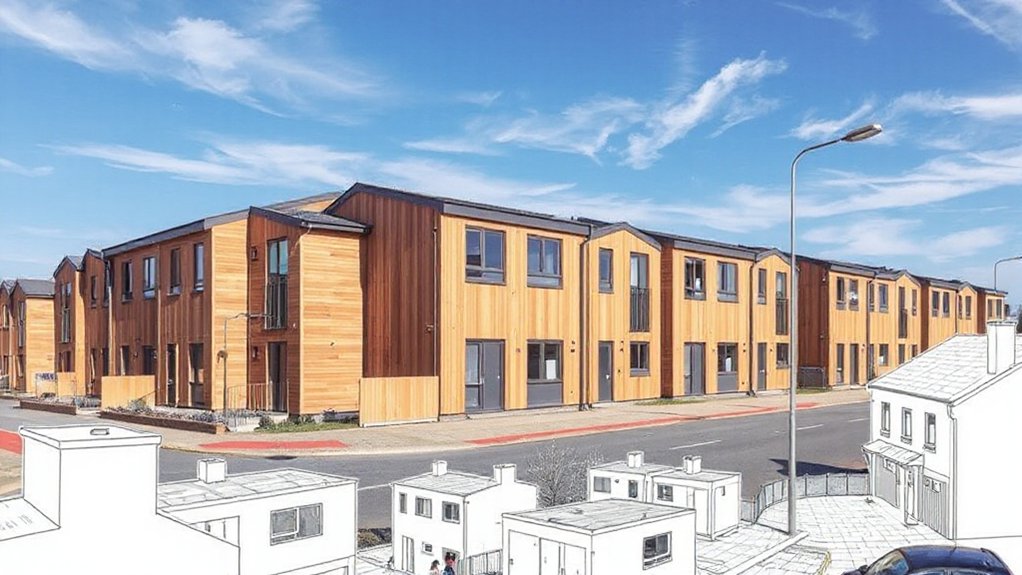
You can make UK property more affordable by starting with better planning that targets housing needs, speeds up supply, and uses data-driven metrics. Reform planning rules to cut red tape, release high-density, transit-oriented development, and support mixed-use, starter homes. Pair streamlined financing with shared equity to lower upfront costs, while long-term leases and rent stability reduce monthly spikes. Invest in retrofitting older stock and empower communities with clear, outcome-focused incentives; more details await if you keep exploring.
Start With Better Planning for Affordable Housing

Starting with better planning for affordable housing means rethinking how we allocate land, assess demand, and set timelines. You engage early with local needs, map capacity, and align projects with long-term growth rather than quick fixes.
You prioritize urban density that supports transit, services, and mixed-use communities, minimizing car dependency and preserving green space.
You design with clear metrics: unit targets, timelines, funding streams, and accountability checkpoints.
You invite Community engagement to surface priorities, concerns, and local knowledge, turning debates into actionable decisions.
You integrate housing with schools, clinics, and jobs, avoiding siloed development.
You embrace data-driven forecasting, scenario planning, and flexible zoning to adapt to changing markets.
The result is a pragmatic, informed, visionary path that accelerates supply without compromising quality.
Reform Planning Rules to Speed Up Supply
You can speed up supply by streamlining planning permissions and cutting red tape, so developers can move faster without sacrificing safeguards.
Unleash zoning freedoms where appropriate to open sites and align rules with housing needs.
Accelerating development approvals across projects will translate into more homes sooner and more predictable timelines for everyone involved.
Streamline Planning Permissions
Remove duplicative checks, align local plans with national objectives, and empower officers to grant permissions for compliant schemes within set windows. This isn’t about lowering standards; it’s about raising consistency, reducing red tape, and freeing underused sites.
You’ll incentivize modern methods—green technology, energy efficiency, and off-site manufacture—without compromising safety or design quality. Encourage collaboration among councils, developers, and communities, so proposals reflect market realities and local needs.
Pair faster approvals with robust delivery monitoring, ensuring sustainable growth benefits reach renters and buyers alike, now and into the future. Urban farming remains a value-add consideration for appropriate sites.
Unlock Zoning Freedoms
Could releasing zoning freedoms truly accelerate housing supply without compromising quality? You’ll find that targeted simplifications can liberate underused land and reduce dead time between idea and shovel.
By clarifying land use categories and standardising permissible densities, you gain predictability for developers and communities alike. Zoning freedoms should focus on outcomes, not convoluted processes, preserving safeguards for environmental and public-space integrity.
Combine streamlined appeals with clear, objective criteria for changes of use and new build thresholds. You’ll still require local input, impact assessments, and robust mitigation plans, but with faster decision timelines.
The aim isn’t wild expansion; it’s smarter allocation of land use. When done well, zoning freedoms expand supply while maintaining quality and affordable homes for more people.
Accelerate Development Approvals
Accelerating development approvals begins where zoning freedoms leave off: by cutting needless delays and giving projects a clear, predictable path to shovel-ready status. You’ll test faster reviews, standardize criteria, and empower local authorities with delegated decisions on straightforward schemes.
Cut red tape without compromising safeguards, so good ideas don’t sit idle. You’ll align timelines with market reality, pin down milestones, and publish objective metrics that builders can rely on.
Integrate urban greenery into master plans from day one, ensuring streetscapes, trees, and sustainable corridors add value rather than obstacles. Preserve historic preservation where it matters, but apply streamlined processes to compatible renovations and incremental upgrades.
The result is a more responsive system, releasing supply while safeguarding culture and appeal, accelerating affordability for communities that need it most.
Create Mixed-Use and Starter Homes
Mixed-use developments can knit housing, work, and amenities into one walkable neighborhood, boosting vibrancy while easing commute costs.
You’ll see starter homes rise in areas with existing services, translating demand into faster, more affordable options for families and first-time buyers.
Mixed-Use Benefits
Mixed-use development opens affordability by blending homes, workspaces, and amenities in walkable streets. You’ll see value when ground floors host small shops, clinics, and services that serve residents and workers alike, reducing trips and transport costs.
Mixed use developments enable dynamic town centers, inviting daytime economies and evening vitality without sprawling infrastructure. With zoning flexibility, you can combine residential and commercial uses in a single parcel, enabling affordable units above affordable ground-floor spaces.
This approach curbs land costs per unit, speeds delivery, and supports diverse, mixed-income communities. It also creates transit-friendly density, so you’re less dependent on car ownership.
In short, practical design, shared services, and adaptable rules together advance affordability, productivity, and place-making without sacrificing quality of life.
Starter Homes Demand
Starter homes are in high demand, and mix-use strategies can meet that demand by front-loading affordable homes with ground-floor services and workspaces. You can tailor density to local need, pairing compact housing with accessible amenities to reduce commuting costs and time.
Mixed-use schemes curb urban sprawl by concentrating growth near transit corridors and centers, not on greenfield margins. Prioritize flexible unit sizes, so first-time buyers can scale with life stages without relocation.
Ground-floor retail, healthcare, and childcare support sustained neighbourhood activity, lowering household bills and increasing stability.
Design quality matters: durable materials, energy efficiency, and outdoor spaces that invite daily use. Guard green spaces within the footprint to buffer heat and wind, preserving ecosystems while expanding affordability through shared, efficient infrastructure.
Financing Innovations for Homebuyers
Financial innovation isn’t about guesswork; it’s about aligning monthly costs with real earnings cycles, reducing upfront barriers while preserving long-term sustainability. You can leverage credit enhancements, regional guarantees, and targeted deposit schemes to stretch buying power without inflating risk.
Market data, tech-enabled underwriting, and standardized mortgage products feed clarity for buyers and lenders alike. The aim is housing affordability without compromising prudence.
Stay pragmatic: measure risk, compare options, and demand transparent pricing. With deliberate design, financing can broaden access while preserving fiscal health for communities and lenders.
Shared Equity to Lower Upfront Costs

Shared equity can lower upfront costs by sharing future value with a trusted partner, so you’re not shouldering the full price at the start. This approach directly tackles access to home ownership, making deposits and mortgage fees more manageable while you build equity.
If you understand the mechanics, you can release quicker, more sustainable paths to owning a home.
Shared Equity Mechanics
Shared equity lets you lower upfront costs by swapping part of your home’s purchase price for an equity stake held by a partner, typically a government program, developer, or lender. You’ll own the remainder and repay when you sell or refinance, preserving upside while easing entry barriers.
Mechanics vary by program, but the core idea is sharing future appreciation and risk. You’ll need clear affordability metrics to guide decisions, such as debt-to-income limits, remaining equity thresholds, and caps on resale contributions.
Consider how long you expect to stay, the impact on monthly payments, and any rent-back or occupancy rules. This approach can access markets otherwise out of reach, aligning investment timing with personal capacity and broader affordability goals.
Lowering Upfront Costs
Could you see how much you could save upfront with a shared equity approach? You’ll reduce the initial deposit and mortgage size by sharing equity with a trusted partner or scheme, lowering entry barriers without surrendering future upside.
This approach shifts upfront costs into a structured plan, freeing capital for essentials like energy upgrades and digital connectivity. You’ll still own a portion of the property, while the partner retains a stake, which lowers monthly payments and interest burdens.
Plan for value beyond bricks: investments in urban green spaces and proximity to transportation hubs can boost desirability and long-term affordability.
Use robust affordability metrics, transparent terms, and clear exit routes to maintain momentum, confidence, and responsible ownership.
Access To Home Ownership
You benefit from future appreciation on a smaller initial investment, while the equity you gain isn’t wasted on upfront fees. This approach works best in towns and cities with diverse housing options, so urban density can coexist with affordable pathways.
Pair it with careful neighborhood planning to protect green spaces and maintain livability. Clear governance, transparent criteria, and robust resale protections prevent overextension.
Rent-To-Own and Other Ownership Options
This approach isn’t a magic shortcut; it’s a structured plan that pairs a lease with a sales option, reducing dealership-style obstacles and expanding your options. Consider how monthly payments contribute toward a down payment, while inspection and maintenance duties stay with you, reinforcing responsible ownership behavior.
Evaluate investment strategies beyond price, such as capital gains from improvements and potential rent credits. Be mindful of property taxes and legal clarity in contracts to avoid surprises.
Use these tools thoughtfully to accelerate progress toward affordable, sustainable ownership.
Long-Term Leases and Rent Stabilization
Long-term leases give you predictable payments and less monthly volatility, making housing budgeting more trustworthy for households and investors alike.
When rent stays stable, you attract stable demand and reduce churn, which helps build a healthier rental market over time.
If we expand well-designed stabilization, we can release affordability without sacrificing incentives for maintenance and new housing supply.
Long-Term Leases Benefits
Long-term leases offer stability that benefits both landlords and tenants: predictable income, reduced turnover, and more transparent pricing. You’ll gain lease longevity as contracts extend beyond short cycles, giving you clearer planning horizons and debt servicing confidence.
For tenants, rental stability translates into predictable budgets and a shield against annual spikes, making long-term tenancies a practical choice for households and small businesses alike. This isn’t about rigidity; it’s about value.
By securing rates and terms, you minimize renegotiation costs, avoid vacancy gaps, and stabilize cash flow for property owners who reinvest profits into maintenance and upgrades.
Embracing durable leases helps open up affordable housing through consistent supply, better compliance, and smarter, data-informed rent strategies that serve communities and investors alike.
Rent Stabilization Impact
Rent stabilization, when paired with long-term leases, shapes a steadier housing market by anchoring rents to predictable, transparent baselines. You’ll experience reduced volatility as landlords rely on clear caps rather than sudden spikes, making budgeting easier for households and firms alike.
This approach supports Housing affordability by aligning incentives: stable rents encourage maintenance and investment, while tenants gain confidence to stay long enough to contribute to local economies.
With longer leases, vacancy risk decreases, lowering operating costs and enabling gradual, well-communicated adjustments. Public confidence rises when rent trajectories follow documented rules rather than opportunistic shifts.
For policymakers, the payoff is a more resilient market that prioritizes capacity for supply, quality, and access. Rent stabilization becomes a pragmatic lever for sustainable growth and inclusive housing affordability.
Public-Private Partnerships for Affordable Homes
Public-private partnerships (PPPs) for affordable homes open faster construction, better design, and lifecycle efficiency by combining public aims with private sector expertise. You’ll see public funding and private investment aligned to deliver projects that private lenders often deem too risky, yet vital for communities.
By sharing risk, PPPs facilitate accelerated timelines, standardized specifications, and long-term maintenance plans, not just bricks and mortar. You get clearer accountability, transparent cost controls, and measurable social outcomes alongside market-rate interests.
The approach incentivizes innovation—modular construction, integrated services, and energy efficiency—while safeguarding public value through clear governance and performance benchmarks. This isn’t charity; it’s a disciplined route to scale, reduce unit costs, and guarantee homes stay affordable across generations.
Done right, PPPs become a backbone for sustainable, inclusive growth.
Targeted Help for First-Time Buyers in Expensive Areas

Combine these with clear, zero-surprise eligibility and streamlined processes so you can act quickly when opportunities arise. Pair financial levers with guidance on building credit, selecting affordable locations, and leveraging tax-incentive windows.
Consider urban density as a design constraint and push for compact, transit-accessible options near green spaces. The aim is pragmatic progress that expands ownership without commodifying neighborhoods or compromising livability.
Local Infrastructure and Zoning That Drive Affordability
Local infrastructure and zoning shape what remains affordable once you’re closer to work and amenities. You’ll notice how well-planned transit corridors, mix‑use districts, and walkable grids cut commuting costs and property premiums.
Prioritize urban mobility that links affordable homes with job hubs, schools, and healthcare, reducing car dependence and parking overhead. Zoning that enables compact, high‑quality development near transit can release cheaper land costs and diversify housing types without sprawl.
Embrace sustainable design standards, green corridors, and flood-resilient infrastructure to lower long‑term maintenance and insurance burdens.
When councils coordinate with developers on timelines and capacity, you gain predictable prices and faster entry to markets. The result is a resilient, inclusive footprint where environmental sustainability and affordability advance together, not at odds.
Incentives for Developers to Build Affordable Homes
To spur affordable housing, governments can offer targeted incentives that tilt the economics in developers’ favor without compromising quality. You’ll feel the impact when costs align with outcomes: more homes, quicker timelines, and maintained standards.
Smart incentives facilitate affordable financing and reduce risk, so you can plan builds that fit community needs. Zoning flexibility lets you maximize density and mix, while buffers protect neighborhoods.
A pragmatic mix of carrots and safeguards keeps projects solvent and sustainable.
- Streamlined permitting tied to affordable units
- Affordable financing with favorable terms
- Density bonuses alongside quality controls
- Zoning flexibility for mixed-use, walkable blocks
- Transparent, outcome-based reporting to guarantee delivery
Grants, Guarantees, and Subsidies That Work

Targeted grants can cover feasibility, remediation, and infrastructure, while guarantees shift lender risk, shortening procurement timelines and reducing financing costs. Subsidies should be time-bound and outcome-focused, rewarding affordable mix, energy efficiency, and reuse of existing stock.
Environmental sustainability must be a core criterion, guiding grant allocations toward low-carbon design and resilient sites. Embrace technological innovation to streamline approvals, monitor performance, and adapt funding as markets evolve.
This pragmatic mix boosts delivery pace without compromising quality, delivering a scalable, visionary path to steadier, more affordable homeownership.
Smart Mortgage Design for Stability and Affordability
As affordable homeownership expands, you’ll want mortgage structures that align with long-term income trends, housing costs, and energy savings. Smart design combines flexibility with protection, so monthly payments stay manageable if earnings wobble.
Look for features like tiered-rate options, deferred interest protections, and periodic re-pricing aligned with real wage growth. The aim is Mortgage flexibility that supports you through life cycles, home upgrades, and energy efficiency investments without sacrificing affordability.
Lenders should emphasize Financial stability by transparent budgeting tools, caps on payment increases, and built-in emergency cushions. Pair this with predictable refinancing paths and clear criteria for term extensions.
The result is a resilient mortgage toolkit that reduces stress, preserves savings, and keeps property ownership within reach.
- Tiered-rate options and periodic re-pricing
- Deferred interest protections and payment cushions
- Transparent budgeting and affordability tools
- Caps on payment increases with life events
- Clear refinancing paths and term extensions
Building Community Wealth Through Shared Ownership
Shared ownership isn’t just a housing hack; it’s a deliberate way to build community wealth by combining investment, equity upside, and housing stability. You participate through a clear, scalable model that blends private capital with public aims, so gains aren’t isolated to individuals.
By sharing ownership, you access capital that can fund additional homes, support local services, and reduce reliance on volatile market swings. This approach hinges on practical governance: transparent pricing, predictable rent, and safeguards that preserve future affordability.
Community collaboration becomes a strength, not an afterthought, as residents and investors align on long-term outcomes. Wealth redistribution occurs through access to equity and the chance to grow savings within a stable home base.
You move toward broader social impact without sacrificing financial discipline or clarity.
Retrofitting and Regenerating Older Housing Stock
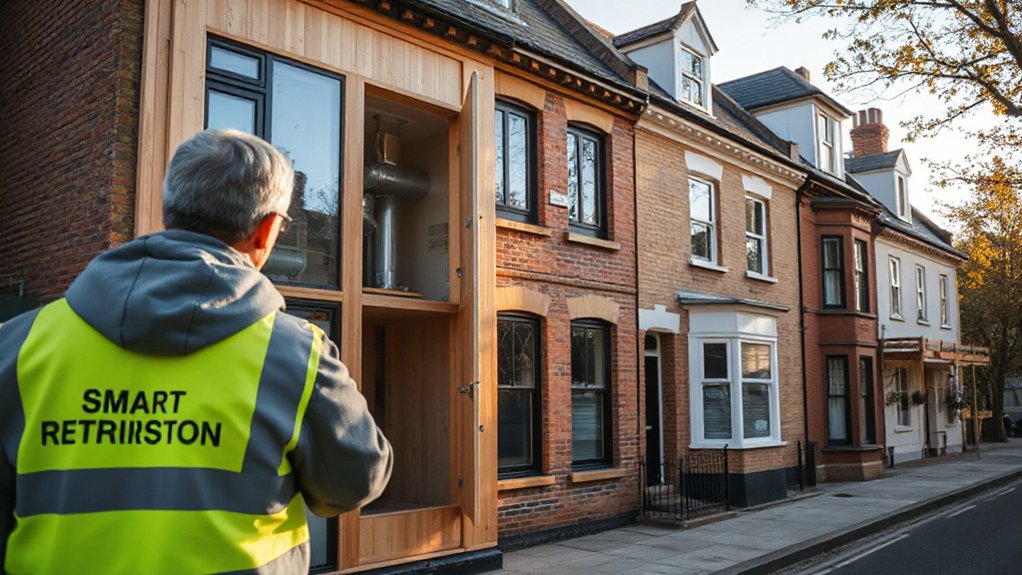
- Prioritize energy efficiency upgrades that respect historic preservation guidelines
- Align funding with local regeneration plans and homeowner incentives
- Invest in skilled trades and training for retrofit work
- Combine energy improvements with long-term maintenance strategies
- Measure impact through tenant comfort, bill reductions, and enhanced livability
Measuring Affordability: Metrics, Accountability, and Outcomes
Measuring affordability isn’t just about price tags; it’s about how households actually feel the impact of housing costs over time. You’ll evaluate not only monthly payments but total cost of ownership, including maintenance, utilities, and taxes.
Use clear affordability metrics that reflect daily decisionmaking: housing expenditure as a share of income, debt-to-income ratios, and rent-to-income benchmarks, alongside long-run savings and liquidity indicators.
Track market dynamics to identify stress points—rising rents, stagnating wages, regional divergence—and test policies against realistic scenarios.
Hold institutions accountable with transparent reporting, independent audits, and public dashboards that reveal progress or failure points.
Outcomes matter: reduce homelessness, improve stability, and expand mobility. A pragmatic, visionary approach aligns incentives, so affordability improvements endure beyond political cycles.
Frequently Asked Questions
How Can Local Councils Better Engage Communities in Affordable Housing Decisions?
You engage communities through open forums, surveys, and drop-in sessions, ensuring voices shape housing plans. You pursue policy collaboration with developers and councils, aligning resources with local needs, delivering transparent decisions, and empowering residents as co-designers of affordable options.
What Role Do Energy Efficiency Standards Play in Affordability?
Energy efficiency standards lower bills by reducing consumption; energy policies should push building standards that reward upgrades. You’ll save, retrofit costs can be offset, and you’ll open access to affordable, sustainable homes while shaping a pragmatic, informed, visionary future.
Can Data Transparency Improve Trust in Housing Affordability Metrics?
Data accuracy matters: transparency initiatives can improve trust in housing affordability metrics. You’ll see clearer signals, fewer guesses, and better decisions, as open data guides policy. You engage proactively, and accuracy plus transparency empower practical, visionary progress.
How Might Smaller Builders Participate in Affordable Housing Without Risk?
Smaller builders can participate safely by partnering on rural development projects and using modular construction to limit upfront risk, accelerate timelines, and scale efficiently, while maintaining quality, securing flexible funding, and aligning with local planning and sustainability goals.
Are There Quick-Triage Financing Options for Near-Term Affordability Relief?
Yes—there are quick-triage mortgage options you can access now, prioritizing near-term relief. You’ll explore selective mortgage options and credit improvements that release faster funding, empowering you with hopeful, pragmatic steps toward steadier payments and affordability.
Conclusion
You stand at the crossroads where bricks meet dreams. If planning is the compass, reforms are the wind lifting ships of supply. Mixed-use and starter homes anchor neighborhoods, while shared equity and smarter mortgages plant seeds of true ownership. Imagine a city where wealth circulates through communities, not hoards. Retrofit the old to house the young; measure progress with clear gauges, not vague promises. When affordability grows roots, the skyline becomes a shared beacon for all.