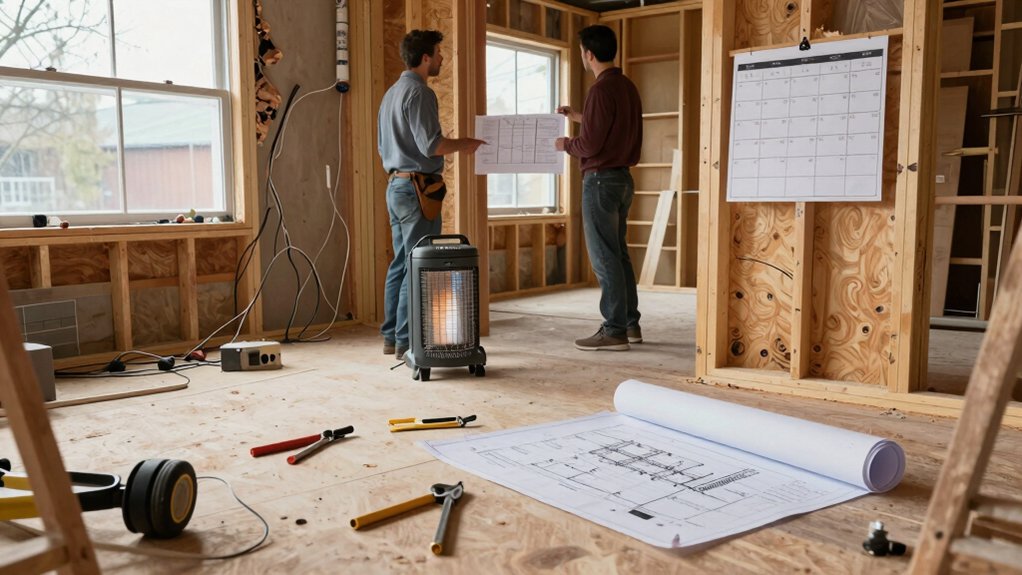
Five common home renovation delays are budget creep, permit backlogs, contractor coordination gaps, material shortages, and hidden site issues. You’ll blow past your timeline if budgets overrun, approvals stall, or trades don’t sync. Plan with a realistic cap, lock in permits early, and set a clear communication routine. Map long-lead items and stock contingencies for critical materials. Stay alert to discoveries, pause when needed, and update timelines promptly. You’ll uncover more strategies as you continue.
How to Prevent Budget Delays in Renovations
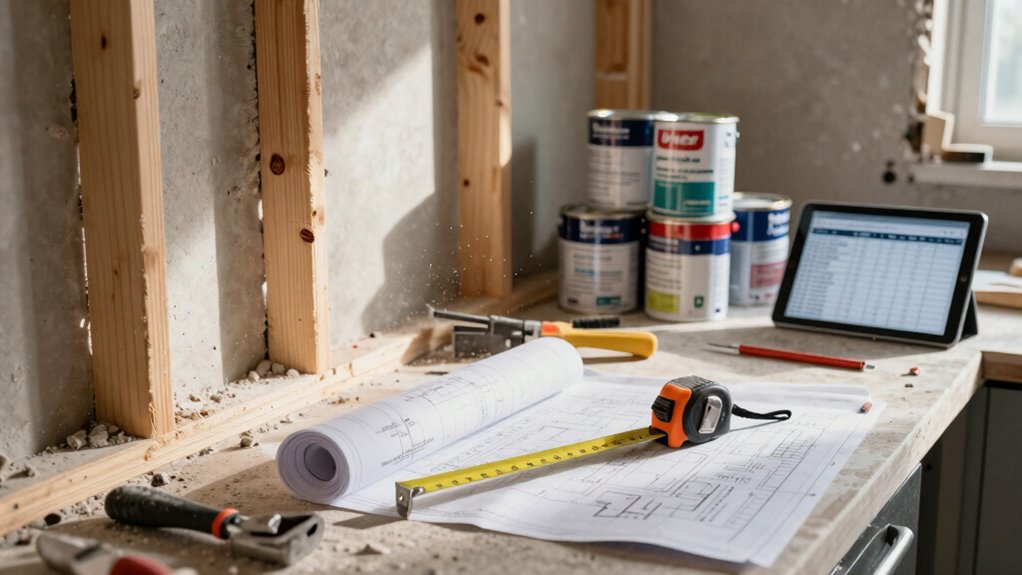
Budget overruns kill momentum, so start by setting a realistic cap and linking it to a clear scope. You prevent budget delays by detailing every line item before you lift a tool. Define must-haves vs. nice-to-haves, attach realistic unit costs, and lock them in with a formal budget baseline.
Track changes aggressively; any variation should require written approval and a revised forecast. Build contingencies for cost overruns into the plan, not after you’re halfway through. Monitor cash flow daily—project receivables, payables, and upcoming expenses—so you don’t stall work awaiting funds.
Schedule regular budget reviews with your contractor to compare actuals against the baseline, adjust promptly, and communicate openly. Consistent budgeting discipline keeps the project on track and minimizes delays caused by financial surprises.
Navigate Permits, Codes, and Inspections
Navigating permits, codes, and inspections is non-negotiable for a smoothly run renovation you can stand behind. You’ll start by lining up permit applications early, and you shouldn’t proceed without confirmed approvals.
Local codes determine scope, materials, and safety standards, so study them upfront and verify with your inspector what’s required. Schedule inspections as you reach milestones, and build a realistic buffer for potential delays.
If an inspector flags a deficiency, address it promptly to avoid repeat visits and added costs. Keep all documents organized, including notices, stamped drawings, and variance requests if needed.
Flexibility matters: permit timelines shift with weather or backlog. Track progress weekly, and communicate clearly with your contractor about any changes to the approval process.
Inspection delays and permit applications can derail schedules—prevention is proactive planning.
Coordinate Contractors and Subcontractors
Coordinating contractors and subcontractors starts once permits are in, and it hinges on clear roles, dependable schedules, and clear communication. You set expectations upfront, assign responsibilities, and map the critical path so everyone knows who does what and when.
Clear contractor communication reduces back-and-forth, prevents duplicate work, and flags conflicts before they derail progress. Align on sequencing, inspection windows, and buffer periods for weather or delays.
Implement a single source of truth for changes, with updated schedules shared in real time. Document scope changes, decisions, and approvals to avoid scope creep.
Prioritize subcontractor scheduling to avoid overlap that causes site congestion or bottlenecks. Build accountability through routine check-ins, order lead times, and status dashboards so the project stays on track and on budget.
Plan for Material Shortages and Lead Times
Plan for material shortages and lead times now, so you’re not caught off guard later. You’ll minimize disruption by practicing disciplined material planning and securing critical items early.
Map out every phase of your project and identify long-lead components, then confirm quantities, colors, and finishes with suppliers before work begins.
Build a realistic contingency—at least a partial extra stock for key items can save days of delay.
Establish a robust delivery scheduling routine, aligning shipments with your construction sequence to avoid space constraints or idle crews.
Maintain transparent communication with vendors about changes, backorders, and expected dates.
Document timelines, track updates, and adjust plans promptly to keep momentum and prevent stoppages from material delays.
Handle Hidden Site Issues and Discoveries
Hidden site issues often reveal themselves after digging in, so you’ll want a ready path from planned work to real conditions. You assess unexpected site discoveries quickly, documenting every finding and updating the schedule.
Start with a visual scan, then confirm with trades like structural or demolition pros before you proceed. When hidden structural issues appear, pause critical activities, re-evaluate safety measures, and adjust permits and sequencing.
Communicate clearly with homeowners about scope changes, costs, and timelines, so expectations stay aligned. Maintain contingency buffers for unanticipated conditions, and track decisions in a shared log.
Revisit the plan after each discovery to prevent cascading delays. Prioritize risk mitigation, avoid rushing, and keep work moving with disciplined change management. This proactive approach minimizes disruption and preserves project momentum.
Conclusion
Delays happen, but you can keep them in check by staying proactive and organized. Track permits, keep a running budget, and lock in reliable contractors with clear milestones. Build in buffers for lead times and site discoveries, and communicate openly if issues pop up. For example, a hypothetical pantry remodel jogged on because a delayed cabinet order held up electricians; a preordered, alternative supplier avoided that snag. Stay ahead, stay flexible, and your project will finish closer to schedule.