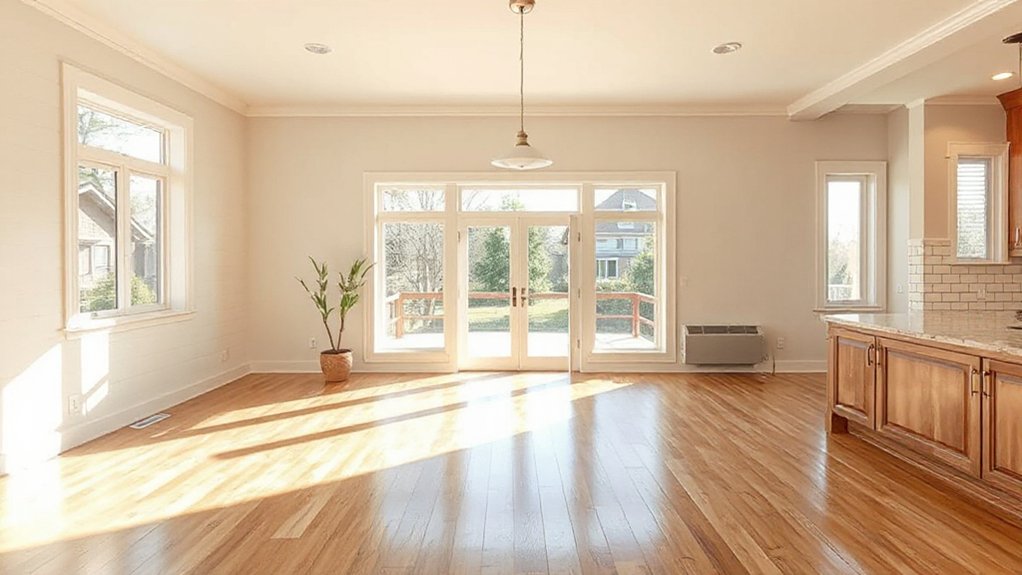
You might think all renovations break even, but data shows ROI varies by project and market. You’ll gain more value by balancing upfront cost with resale impact, focusing on curb appeal, functional layouts, and midrange finishes. Kitchen and bath updates, energy-efficient upgrades, and smart systems tend to pay off, especially in mid-tier homes. Start with a practical, room-by-room plan and a simple decision framework; that approach helps you prioritize where to act next, before you commit.
Prioritize Upgrades by ROI: A Practical, Room-by-Room Framework
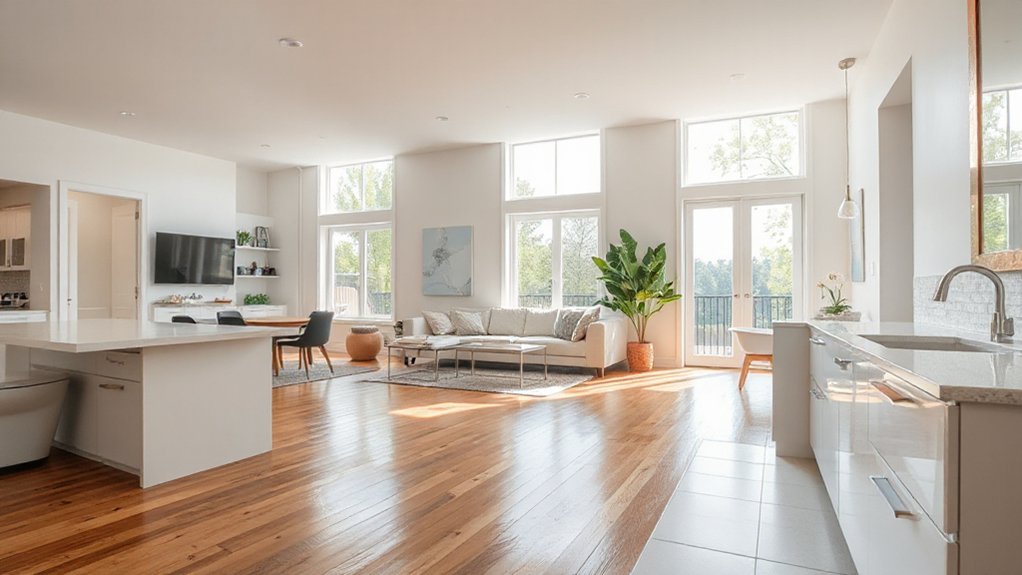
Prioritizing upgrades by ROI requires a practical, room-by-room approach. You assess value through predictable effects on resale and buyer willingness to pay. Start with high-ROI basics: outdoor landscaping improvements that frame curb appeal and low-maintenance plantings, paired with sturdy exterior updates.
In essential living areas, focus on energy efficiency—insulation, windows, and HVAC efficiency—because these reduce monthly costs and attract cost-conscious buyers.
For basement finishing, provide usable square footage that expands living space without over-improving for the neighborhood.
Maintain objective metrics: cost estimates, expected payback, and market comparables. Avoid over-investing in mature, niche features if the market doesn’t reward them.
Documented data guides prioritization, aligning renovations with buyer expectations while preserving budget discipline. This framework keeps you aligned with market realities and value realization.
Kitchen and Bath Remodels: Costs, Payoffs, and Timelines
When it comes to kitchen and bath remodels, costs, payoffs, and timelines vary by scope, materials, and market demand. Data consistently show these rooms deliver strong resale value and buyer enthusiasm when projects are aligned with neighborhood norms.
You’ll see price ranges reflect fixture quality, cabinetry, and layout changes, with high-ROI updates typically in midrange finishes and efficient layouts.
Payoffs accrue through increased sale price and market appeal rather than immediate profit alone. Timelines are influenced by permit processes and contractor schedules.
Smart technology integration—from smart faucets to touchless controls—adds negligible risk but can boost perceived value.
Indoor air quality improvements, such as ventilation upgrades and low-emission materials, support healthier spaces and can differentiate listings in competitive markets.
Energy-Efficiency Upgrades That Save Money Long Term
Energy-efficiency upgrades pay off over time through lower utility bills and higher resale appeal, making them a logical follow-on from kitchen and bath updates that already boost value. You should view these choices through a data-driven lens: quantify upfront costs, operating savings, and payback horizons.
Smart thermostats reduce HVAC runtime during unoccupied periods, typically delivering measurable utility reductions without sacrificing comfort.
Solar panels, while capital-intensive, can yield favorable long-term returns in regions with strong sun and favorable incentives, improving home value and energy reliability.
Both options influence appraisal and market appeal, especially for energy-conscious buyers.
Consider local electricity rates, available rebates, and maintenance obligations.
Prioritize systems with proven performance, clear warranties, and scalable integration to maximize long-term value.
Boost Curb Appeal and Layout for Buyer Interest
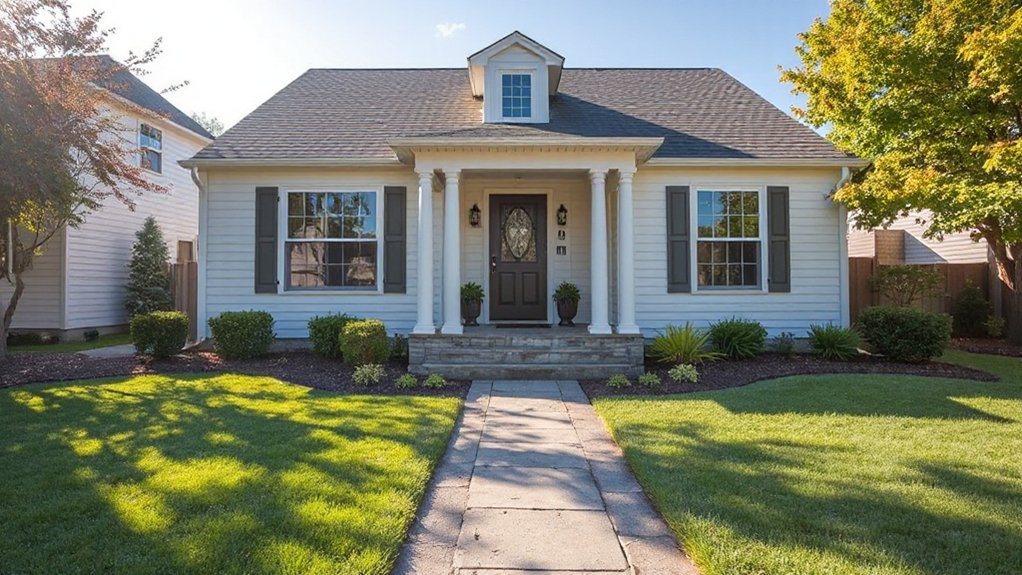
Boosting curb appeal and optimizing layout can substantially impact buyer interest, with research showing homes that photograph well and flow logically command higher bids. You should prioritize visible exterior improvements and floor-plan clarity that translate into perceived value.
Data indicates that entryway appeal, roof condition, and landscape framing correlate with faster showings and higher offers, particularly in competitive markets. Garden landscaping basics—maintaining lawns, clean lines, and seasonal color—enhance first impressions without excessive cost.
Inside, interior painting remains a high-ROI, low-risk upgrade that neutralizes buyer objections and broadens appeal across demographics.
When considering layout, facilitate traffic patterns feel natural, with logical progressions between living, dining, and kitchen spaces.
Focus on tangible signals of care, not stylistic fads, to maximize perceived value and buyer interest.
A Simple Framework to Decide What to Tackle Next
To decide what to tackle next, apply a simple, data-driven framework that aligns improvements with buyer priorities and market signals. You begin by listing constraints, costs, and expected value, then rank projects by impact-to-cost ratio.
Use recent comps and local demand trends to weight items. Prioritize improvements with broad appeal, like interior lighting upgrades that enhance perceived space and mood, and landscaping design that boosts curb appeal without excessive upkeep.
Quantify disruption, duration, and resale timing, so you can stage changes strategically. Check seasonality, permitting, and contractor lead times to avoid gaps.
Maintain a running scorecard, updating as new market data arrives. This framework keeps decisions objective, repeatable, and aligned with buyer expectations, maximizing value while minimizing wasted effort.
Frequently Asked Questions
How Does Timing Affect ROI for Home Improvements?
Timing affects ROI: your timing strategy matters, and seasonal renovations can maximize resale value. You’ll optimize costs by aligning projects with market demand, inventory cycles, and favorable interest rates, boosting buyer interest and shortening holding periods.
Which Upgrades Appeal Most to First-Time vs. Move-Up Buyers?
A first-time buyer leans toward Smart technology and midrange luxury fixtures, while move-up buyers credit higher-end finishes. In a case study, upgrading kitchens with smart tech boosts appeal; luxury fixtures further attract established, higher-budget buyers.
Do Local Market Trends Change Which Projects Add Value?
Market fluctuations can alter value outcomes, you should monitor trends before you renovate. Timing matters: Renovation timing influences ROI, so align upgrades with local demand shifts and avoid peak-price misfires to maximize value.
How Do Permits and Regulations Impact Project Costs?
Permits and regulations raise project costs through compliance, inspections, and permit fees. Building codes and zoning restrictions often determine scope and timing, affecting planning and budgets, while ensuring safety. You’ll see higher upfront costs but steadier market trust.
What Role Does Project Quality Over Quantity Play in Value?
You’ll see that project quality matters more than quantity, like a steady craftsman’s oath—material quality and craftsmanship standards drive durable value, not flashy scope. You prioritize rigorous materials, consistent execution, and data-backed decisions over expansion for its own sake.
Conclusion
You’ll get the best value by targeting ROI-first upgrades, especially curb appeal, efficient windows, and midrange kitchen/bath updates. Prioritize energy savers like smart thermostats and durable finishes that buyers notice. Track costs, timelines, and net gains to compare rooms and options, then pick the next project with a clear payoff in mind. Think of it like a well-marked map: each upgrade is a stepping stone toward higher resale value and faster sale, steady and measurable like a compass.