To handle maintenance in a busy HMO, identify common needs across units and map them into a rolling 90-day plan with buffers for emergencies. Create a fast tenant-request channel, auto-assign tasks, and set clear safety-first prioritization. Build a vetted vendor network with SLAs, plus dashboards to monitor performance. Establish urgent vs routine rules, safety and compliance protocols, and transparent communication timelines. If you keep optimizing these systems, you’ll open smoother operations and greater habitability.
Identify Your HMO’s Common Maintenance Needs
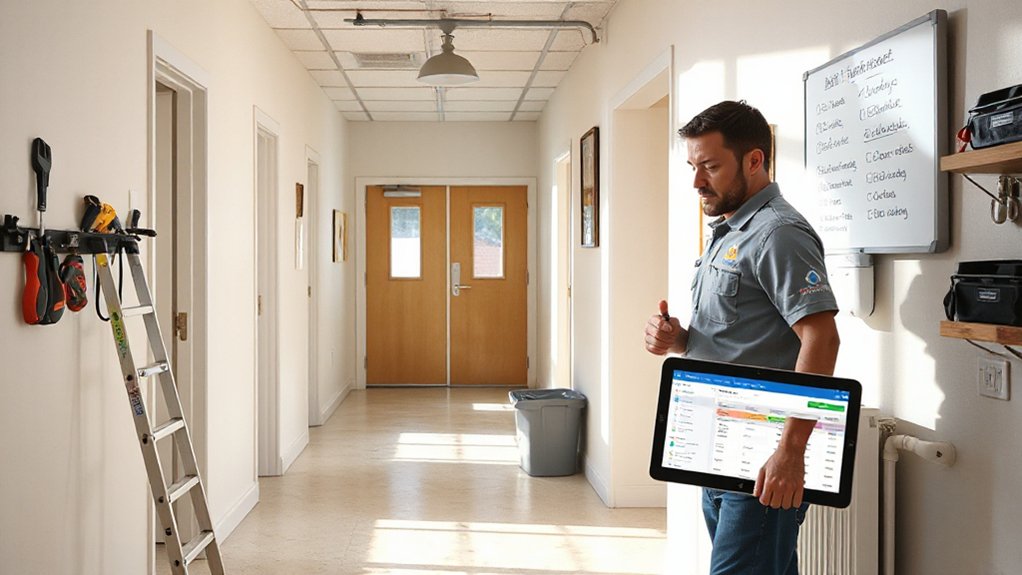
In an HMO, your first step is to map out the maintenance needs that recur most often across properties and units. You’ll identify patterns, from boiler checks to door seals, plumbing leaks to electrical flickers. This clarity lets you forecast costs and staffing with confidence.
Focus on property aesthetics as a keeper of value: note paint touchups, fixture wear, and common-area cleaning cycles so tenants feel cared for and appearances stay sharp. Meanwhile, integrate budget planning by assigning realistic costs to each recurring task, building a transparent reserve for seasonal spikes.
Document frequencies, required vendors, and response times. With this foundation, you illuminate priorities, reduce emergencies, and align repairs with long‑term property goals, turning maintenance from reactive firefighting into strategic optimization.
Create a Prioritized HMO Maintenance Schedule With Clear Timeframes
To create a prioritized maintenance schedule with clear timeframes, start by listing all recurring tasks from your maintenance map and then rank them by impact, urgency, and cost. You’ll translate complexity into action by assigning owners, due dates, and review points for each item.
Structure the timetable around routine inspections that catch wear early, schedule fixes before they spike costs, and reserve blocks for seasonal tasks. Use a rolling 90-day horizon to keep plans fresh and responsive to occupancy patterns.
Build in buffers for emergencies and supply delays, so your team isn’t scrambling. Document dependencies, escalation paths, and success metrics to measure progress.
Prioritize emergency preparedness drills alongside preventive work, ensuring readiness without compromising day-to-day living.
Build a Simple, Fast Tenant-Request System
A simple, fast tenant-request system starts with a near-instant channel for submitting needs, then funnels requests into clear, tracked steps. You design a single entry point—digital form, chat, or app—where tenants describe symptoms, urgency, and preferred contact.
From there, your system auto-assigns a ticket to the right team, timestamps updates, and flags missing details. You require concise, actionable data in every submission to reduce back-and-forth.
Tenant feedback is captured after every interaction to drive continuous improvement and visibility for residents.
You implement repair prioritization rules: safety hazards first, then critical failures, then cosmetic issues, with SLAs aligned to urgency.
You review trends weekly, refine prompts, and ensure residents see progress, maintaining trust while speeding response.
Efficiency thrives when communication stays precise and transparent.
Assemble an HMO Maintenance Vendor Network With SLAS

You’ll assemble a reliable vendor network and map SLAs that cover critical maintenance tasks, from urgent repairs to routine servicing.
Standardize SLAs so expectations are clear, measurable, and aligned with tenant needs.
Then set up dashboards to monitor performance regularly, keeping contracts tight and response times tight.
Build Vendor Network
Building a dependable vendor network starts with SLAs that define scope, response times, and quality benchmarks. Then expands to a vetted roster of contractors who can scale with demand.
You’ll map maintenance needs across facilities, grouping by urgency, specialty, and geography. Next, establish vendor partnerships that align with your mission: reliability, safety, and transparency.
Create concise maintenance contracts that spell out deliverables, inspection cadences, and penalties for missed targets, ensuring hard ceilings on cost and timing.
Institute a simple onboarding checklist for new vendors, including credentials, insurance, and reference checks.
Build a rotation system to balance workload, protect from bottlenecks, and maintain service levels during peak periods.
Finally, maintain a living directory with performance data, feedback loops, and renewal timelines to sustain momentum.
Standardize SLAs
Standardize SLAs to anchor performance and expectations across every maintenance vendor. You’ll define response times, repair windows, and escalation paths so every partner operates on the same cadence.
Build clear, contract-backed metrics that align with your HMO’s realities, not ideals, and attach SLAs to tangible outcomes, not vibes. Attach maintainable targets to each trade, with room for seasonal spikes and preventive tasks.
Document responsibilities, notification procedures, and acceptance criteria to prevent ambiguities that stall work. Tie every agreement to contractual obligations, ensuring remedies exist for missed deadlines or subpar quality.
Use SLAs to guide maintenance budgeting, forecasting cost variance, and prioritizing critical assets.
Finally, create a simple dashboard that tracks compliance, flags drift early, and supports proactive vendor conversations.
Monitor Performance Regularly
How can you keep a maintenance network humming at peak performance? Track SLAs and response times weekly, not monthly, so delays don’t creep in. Use a simple dashboard to compare vendor performance against targets, with color flags for urgent issues.
Schedule quarterly reviews that pair tenant feedback with repair data, so your Tenant engagement informs prioritization.
Tie every job to a cost category and budget line, then test spend against Budget planning projections to catch variances early. Document learnings, then adjust SLAs before the next cycle.
Build a rotating cross-check team to validate vendor invoices and workmanship quality. With disciplined visibility, you’ll spot bottlenecks, accelerate repairs, and sustain reliability across your HMO network.
Set Clear Rules for Urgent vs. Routine Repairs
To keep repairs moving efficiently, set clear thresholds that separate urgent from routine work and define who makes the call. You’ll implement an urgency classification system that flags issues by impact, safety, and service levels. Tie each category to specific response times and authorized approvers, so decisions aren’t stalled by ambiguity.
Use repair prioritization to sequence tasks based on resident well-being, building occupancy, and contractor availability. Document escalation paths for gray-area cases, with expected check-ins and status updates.
Train staff on recognizing red flags, such as water intrusion or electrical faults, and ensure frontline teams can initiate immediate containment. Review thresholds quarterly to reflect evolving occupancy and seasonal risks, keeping processes practical, repeatable, and fair for both tenants and maintenance crews.
Implement Safety, Compliance, and Documentation Protocols for HMOs
With your urgent-vs-routine framework in place, you’ll implement safety, compliance, and documentation protocols that keep HMOs secure and auditable. You define clear safety protocols, assign ownership, and embed checklists into every maintenance cycle, so hazards are spotted before they impact tenants or operations.
You align processes with Compliance standards, maintain up-to-date records, and produce audit-ready reports that prove due diligence. You automate reminders for renewals, inspections, and certifications, reducing lapses and fines.
You’ll train teams to document actions, outcomes, and timelines succinctly, creating a transparent maintenance trail you can verify at any moment.
- Risk assessments and staged corrective actions
- Centralized document repository with version control
- Regular training and compliance audits
Communicate Expectations to Tenants and Set Response Timelines

You set clear expectations for tenants upfront and outline the exact kinds of issues you handle and within what timeframes.
When a maintenance request comes in, you respond promptly and transparently, confirming receipt and the next steps.
Clear Tenant Expectations
Clear expectations from the outset keep maintenance on track: outline what tenants can expect regarding response times, how repair requests are prioritized, and who handles what type of problem. You set clear channels, define response windows, and assign responsibilities so everyone knows their role.
This approach supports tenant communication and expectation management, reducing confusion and delays. It also builds trust, showing you’re proactive, organized, and capable of juggling competing needs without becoming reactive.
- Define immediate vs. non-urgent requests and the expected acknowledgment time
- Prioritize by safety, damage, and impact on habitability, with defined owners
- Communicate follow-up steps, updates, and escalation paths when timelines shift
Timelines for Replies
To set expectations clearly, establish fixed reply windows for every repair request and publish them where tenants can see them—ideally in the let onboarding packet and the tenant portal. You’ll reduce ambiguity and speed up decisions by mapping urgency levels to target response times, from initial acknowledgement to on-site visit or resolution.
Communicate these timelines in plain language, and reinforce them during onboarding, annual leases, and maintenance updates. Build a routine cadence: acknowledge within hours for emergencies, schedule assessments within 24–48 hours for urgent repairs, and complete non-urgent fixes within a defined number of days.
Tie timelines to emergency preparedness and budget planning, so residents know what to expect during peak periods. Regularly review performance against benchmarks and adjust as needed to sustain reliability.
Measure, Iterate, and Scale Your Maintenance Performance
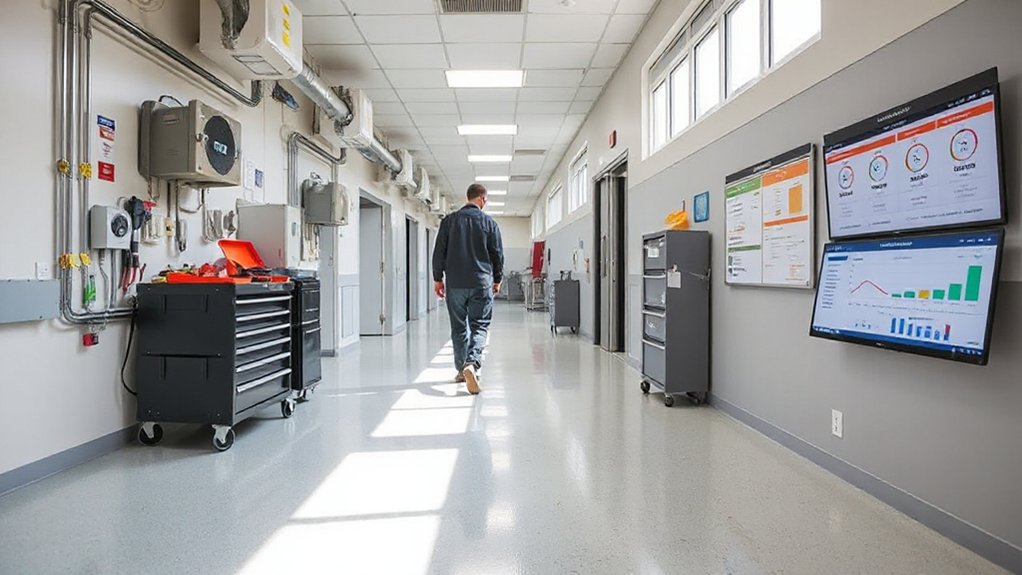
If we want maintenance to keep pace with demand, you must measure performance, iterate on findings, and scale success across the portfolio. You’ll implement simple dashboards to track repair turnaround, cost per unit, and repeat failures. Use these insights to prioritize fixes, recalibrate workflows, and validate gains against targets.
Iterate weekly, then quarterly, refining supplier performance, technician productivity, and preventative tasks. Scale wins by codifying repeatable processes, standard operating procedures, and scheduling norms across properties. Leverage data to justify investments in maintenance budgeting and to maximize equipment warranties, locking in cost predictability and extended asset life.
You’ll align teams, reduce downtime, and build a resilient portfolio.
- Establish baseline metrics and targets
- Test changes in pilots before full rollout
- Document outcomes and scale proven practices
Frequently Asked Questions
How Should Fees Be Allocated for Emergency vs. Routine Repairs?
Emergency repairs get priority and are billed at a higher urgency rate, while routine fixes follow a scheduled, lower-cost plan. You communicate promptly, and implement clear repair prioritization; you’re transparent about fees, and accountable to tenants and operations.
What Metrics Best Measure Maintenance Team Responsiveness?
Metrics like mean response time, first-time fix rate, and on-time completion keep you sharp. You track Preventative planning and Maintenance scheduling, adjust staffing, and drive continuous improvement with real-time dashboards, aiming for predictable, high-quality service delivery.
How to Handle Non-Responsive Tenants During Repairs?
When tenants are non-responsive, you implement clear Tenant communication protocols and set firm deadlines, then adjust Repair scheduling with reminders and escalation. You document attempts, offer flexible windows, and keep chains of contact open for rapid resolution.
How to Verify Contractor Licenses and Insurance Efficiently?
You verify contractor licenses and insurance efficiently by checking their licenses, contacting licensing boards, and requesting current insurance certificates for coverage and endorsements. Use a contractor background screening and insurance verification checklist to guarantee compliance and minimize risk.
What Qualifies as an Emergency Beyond Standard Definitions?
An emergency beyond standard definitions is anything putting life, safety, or essential services at risk. You’ll alert tenants immediately, document concerns, and activate emergency preparedness plans, prioritizing clear tenant communication and rapid, deliberate containment. Stay calm, act decisively, expect repercussions.
Conclusion
You’ve got a solid system in place now: predictable maintenance, fast requests, trusted vendors, and clear timelines. Stay pragmatic—monitor SLAs, refine processes, and automate when it saves time. Your network scales as you listen to tenants and preempt problems before they stall productivity. The vision: a well-maintained HMO that feels seamless to live in and easy to manage. Like a well-tuned engine, small, consistent tweaks keep everything running smoothly, quietly powering every day.