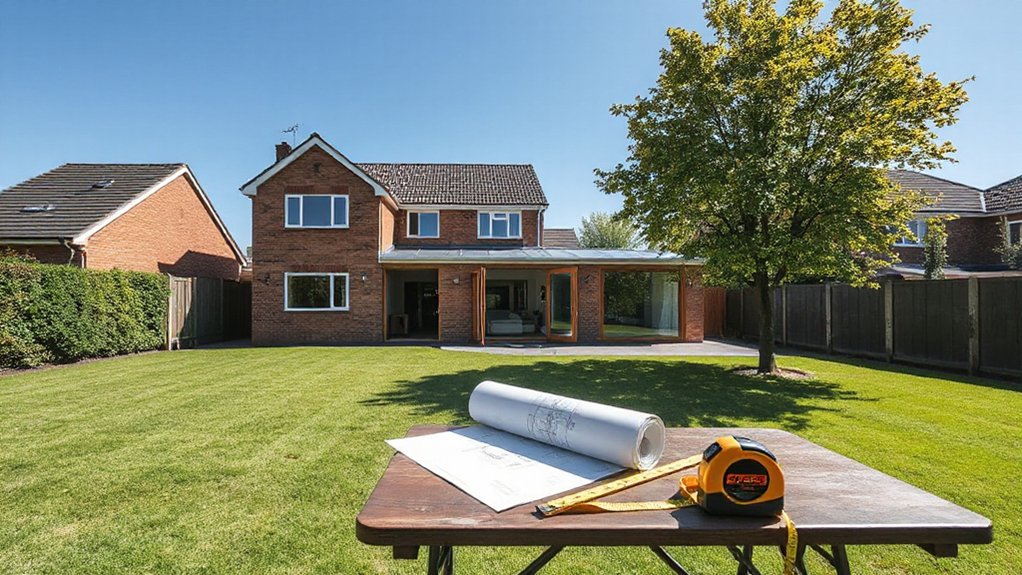
Whether you can extend your detached house without planning permission depends on scope, size, and location. You’ll need to assess if your project fits permitted development rights or requires formal approval, especially if you’re near boundaries, conservation areas, or a listed building. Start with a clear checklist and local guidance, then decide your next step before any work begins. If you want to navigate the nuances confidently, you’ll want to proceed with clarity.
Do I Need Planning Permission Up Front?
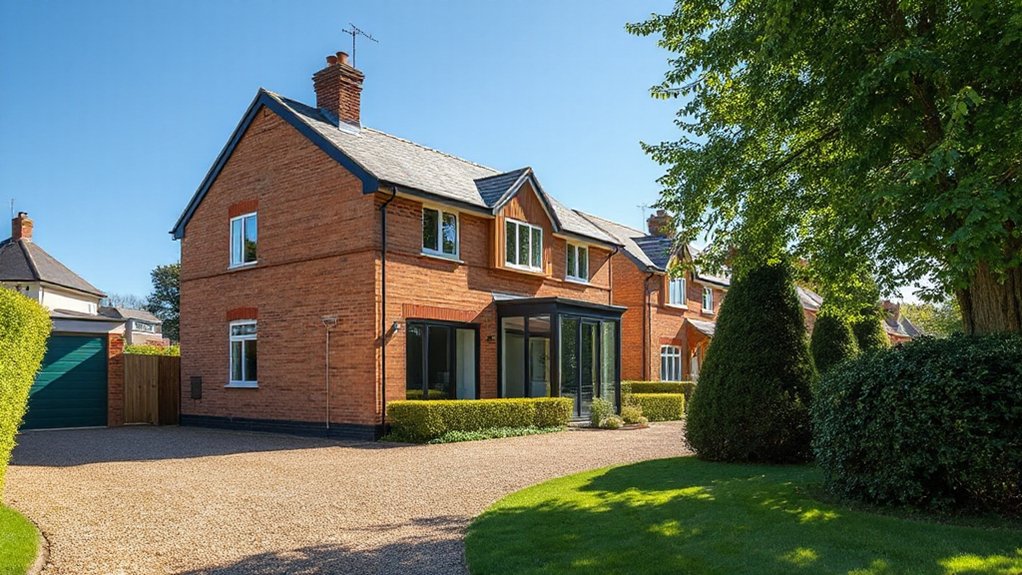
Yes—you may not always need planning permission upfront. Your first step is to assess whether your project falls under permitted development or requires formal consent.
Zoning laws shape this assessment, defining acceptable uses, heights, and extensions within your locality. If your plans stay within the thresholds, you could proceed without bespoke permission, though you must still adhere to building regulations and notify the relevant authority where required.
Be mindful of Historical restrictions that may apply in conservation areas or near listed buildings; these rules can impose stricter limits or require pre-approval.
Even when permissions aren’t upfront, you should verify the existence of any covenants or restrictive deeds that could affect your build.
When in doubt, consult planning guidance or an expert quickly to avoid non-compliance.
What Counts as a Detached House Extension?
A detached house extension is an addition that sits separate from the main dwelling, with space clear of any shared walls or structures. You should understand what constitutes such an extension to evaluate planning needs and permits accurately.
The following points clarify typical boundaries and requirements:
- Extensions must remain physically detached from the main building’s envelope and be sited with sufficient separation to avoid creating a single, merged structure.
- Local interpretations vary by Historical zoning and enforcement practices, influencing what qualifies as a detached addition and when approvals are necessary.
- Building permits are typically required for structural changes, new rooms, or altered exterior dimensions, regardless of perceived detachment or use.
How Local Authority Boundaries Affect Your Duty to Notify
Local authority boundaries shape who you notify and when you must do so. Boundaries determine which parish, district, or metropolitan authority holds jurisdiction over your proposal, and they influence the timing of any notification process. You must identify the correct administering body before you submit an application or notification, as errors can delay decisions or require resubmission.
Boundary considerations also affect which local plan policies apply to your project, potentially altering the scope of required information. You should consult the planning portal or your council’s mapping tools to confirm the responsible authority.
Zoning restrictions may hinge on boundary-specific designations, so verify any area-specific rules. Inaccurate contacts or misaligned boundaries risk procedural challenges and added costs.
Permitted Development or Planning Permission: Which Do I Need?
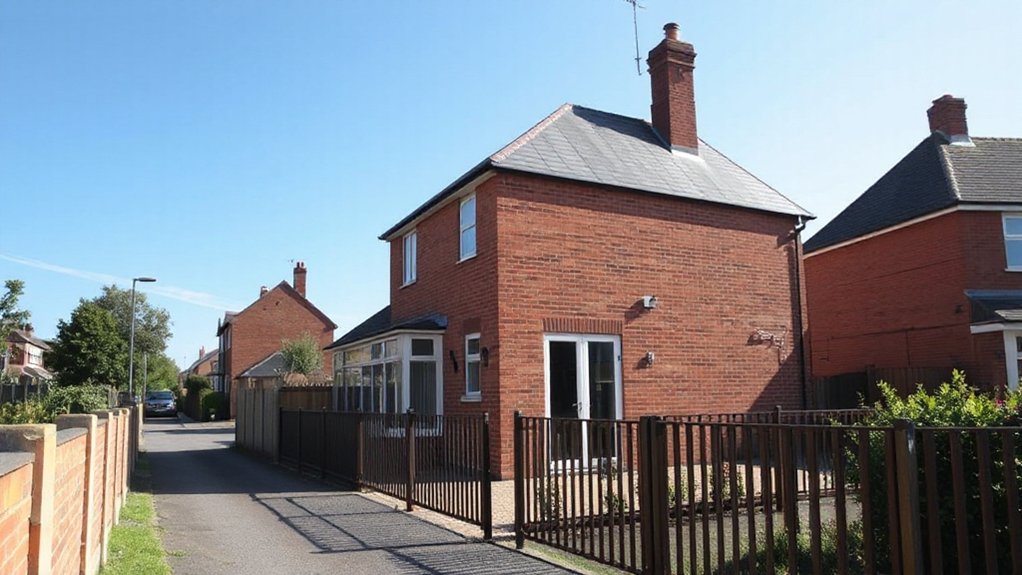
Permitted development rights can let you extend or alter your home without full planning permission, but they aren’t universal. You need to decide whether your project falls under permitted development or requires full planning, and you must consider constraints like historical sites and potential building permits.
If your proposal stays within limits, you may proceed without formal planning, yet you still need to check local conditions and prior approvals.
- Assess if your extension fits permitted development criteria, including size, height, and proximity to boundaries.
- Verify whether your site is affected by restrictions tied to historical sites or adjacent protected land, which could require planning.
- Confirm with the planning authority whether any building permits or notices are needed, even for permitted development.
How Much Can You Extend Without Planning Permission?
Determining how far you can extend without planning permission hinges on size, height, and location. In practice, you assess the footprint and volume allowed under permitted development rules for your property type and area, then verify any local restrictions.
You should review the governing thresholds for single-storey or two-storey extensions, side extensions, and rear projections, ensuring you stay within limits before drafting plans. Even when you think you’re compliant, check for overlays that affect extensions, such as development boundaries and conservation areas.
Consider how your proposal impacts Historical preservation and the surrounding streetscape, as well as how landscape integration will appear from public viewpoints. Always confirm with the local authority’s guidance, and document measurements, timings, and compliance pathways for clarity and accountability.
Extensions That Always Require Planning Permission
There are certain extensions that always require planning permission, regardless of size or location. You must treat these as non-negotiable, since they implicate broader policy and statutory safeguards.
- Extensions affecting Historical preservation status or located in designated conservation areas, where protections override practical flexibility.
- Projects that materially alter the external appearance of a listed building, or harm the setting of historical assets, triggering statutory review.
- Interventions with potential significant Environmental impact, including flood risk, drainage changes, or biodiversity effects, requiring formal assessment.
In practice, you’ll encounter strict oversight for such works, with approvals tied to preserving heritage and minimizing environmental harm. You should consult planning guidance early to align your proposal with preservation objectives and impact considerations.
How Design and Materials Influence Approval
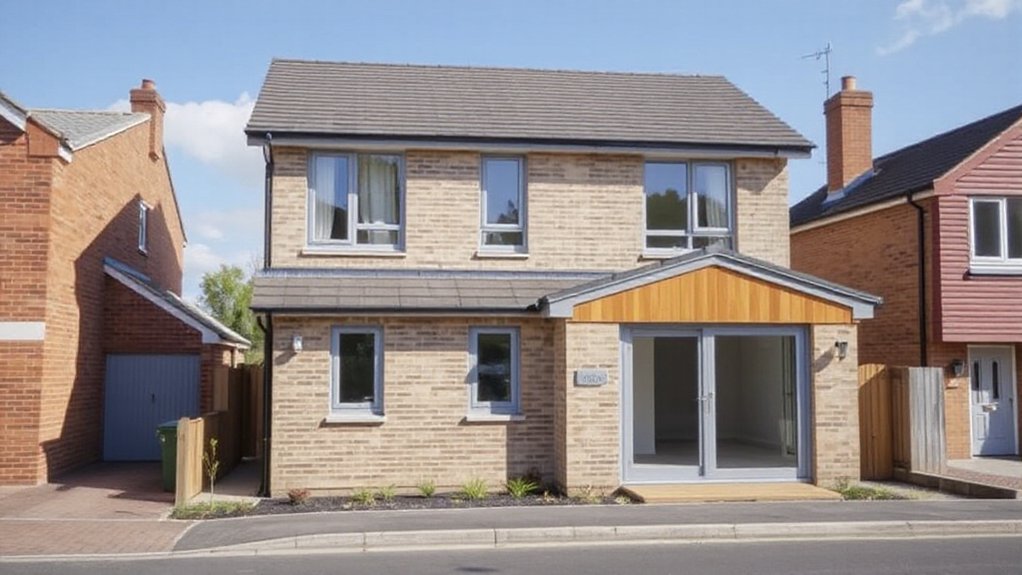
Design and materials shape each element of the proposal, from appearance to performance, and planners weigh these choices against local context and policy objectives. You assess how design impact aligns with site characteristics, historic constraints, and nearby massing.
Material choices influence perceived scale, durability, and compatibility with surrounding streetscape. Opt for simplicity and coherence to reduce conflict with planning criteria, including density, articulation, and rhythm.
Consider detailing, finish quality, and workmanship, as these affect long-term performance and perceived value. The approach should demonstrably support sustainability targets, embodied energy, and potential maintenance needs.
Be prepared to justify contrasts or harmonies with existing buildings, ensuring responses remain proportionate to the setting. Clear, precise justification strengthens your case when addressing planning policy and design guidance.
How Extensions Impact Neighbours: Light, Privacy, and Overlook
You’ll need to take into account how a rear or side extension affects light access for your neighbours. Balancing window positions and scale is essential to minimize shadows.
Privacy and overlooking risk arise from sight lines, higher windows, and the overall footprint. Planning for mitigating features is therefore crucial.
Aim to blend the extension with its surroundings. Ensuring materials, massing, and alignment reduce visual impact and maintain a harmonious streetscape.
Light Impact On Neighbours
Light from extensions can reduce daylight and sunlight available to neighbouring homes, affecting routines and privacy. You should assess how your design shifts natural light, as neighbours may experience noticeable changes in living conditions and comfort. Consider limitations on overlooking and the potential for light disturbance, even with modest additions.
1) Track the path of sunlight throughout the day to identify periods of reduced brightness in nearby rooms.
2) Design strategies like slimmer profiles, angled roofs, or light wells to minimise shadowing and preserve existing light levels.
3) Communicate openly with neighbours about expected changes and adjust plans if requested.
This focuses on neighbourhood impact and light disturbance, guiding you toward considerate, compliant extension planning.
Privacy And Overlook Risk
You should evaluate how proposed changes affect occupants’ sense of security and daily routines, focusing on privacy concerns within both ground-floor and upper-floor rooms.
Consider whether windows or balconies enable direct views into living areas, bedrooms, gardens, or children’s play spaces.
Overlook risks arise when taller or closer elements align with existing windows or private outdoor areas, potentially altering use and enjoyment of your neighbour’s property.
Mitigate these issues through careful positioning, screenings, or boundary treatments, and by limiting window openings facing habitable spaces where appropriate.
Clear communication with neighbours helps address concerns before planning submission.
Blending With Surroundings
- Align tallest elements with existing rooflines to reduce visual burden and maintain rhythm.
- Choose complementary materials, textures, and colors that echo the local vernacular.
- Position windows and openings to limit overshadowing and protect neighbour privacy.
Planning Conditions and Section 106: What They Mean for You
Planning conditions set the practical requirements your extension must meet, from materials to build timing and environmental safeguards.
Section 106 obligations may require contributions or specific local controls that affect your project’s cost and timeline.
Understanding these elements helps you plan compliance, anticipate constraints, and navigate approvals more efficiently.
Planning Conditions Overview
So, what exactly are planning conditions and Section 106 obligations, and why do they matter for your detached house extension? Planning conditions attach requirements to your project to manage impact and align with policy.
Section 106 obligations may secure developer contributions or mitigation measures, depending on local priorities. You’ll find that these tools address historic preservation and environmental impact, ensuring your extension fits the area’s character and sustainability goals.
- Conditions specify timing, design, and materials, controlling appearance and ongoing performance.
- Mitigation measures address environmental impact, such as noise, pollution, and ecological safeguards.
- Compliance processes and deadlines ensure recommendations translate into enforceable safeguards for your site.
Section 106 Implications
Section 106 obligations can shape your project as a condition of approval and, in some cases, require contributions or mitigations tied to local priorities. Section 106 agreements secure planning gain for identified infrastructure or services, and they may address affordable housing, transport, or environmental improvements.
You should review obligations early to avoid delays and understand long-term commitments. Historical context matters, as past schemes shaped current thresholds and expectations.
Community impact is a key consideration; measures aimed at mitigating noise, traffic, or visual effects may accompany approval.
Your responsibilities can extend beyond construction, with monitoring, reporting, and potential renegotiation if plans change.
Seek legal and professional guidance to interpret what’s binding, the timeline for compliance, and how contributions are calculated within the local planning framework.
Building Regulations vs Planning Permission: What’s the Difference?
Building Regulations and planning permission are distinct approvals, and understanding their roles helps you avoid delays. You’ll notice they address different outcomes, yet both shape how your extension proceeds.
- Building Regulations guarantee technical standards for safety, insulation, and accessibility are met, independent of planning consent.
- Planning permission governs land use, appearance, and potential local impacts, reflecting community and conservation considerations.
- Coordination matters: some changes require both routes, while others need one, so you confirm early to prevent rework that affects design aesthetics and environmental impact.
In practice, you design within regulations, then secure planning where needed, while keeping the project aligned with environmental impact goals and aesthetic expectations. Clear delineation minimizes risk and accelerates approvals.
The Pre-Application Advice Process: Save Time and Money
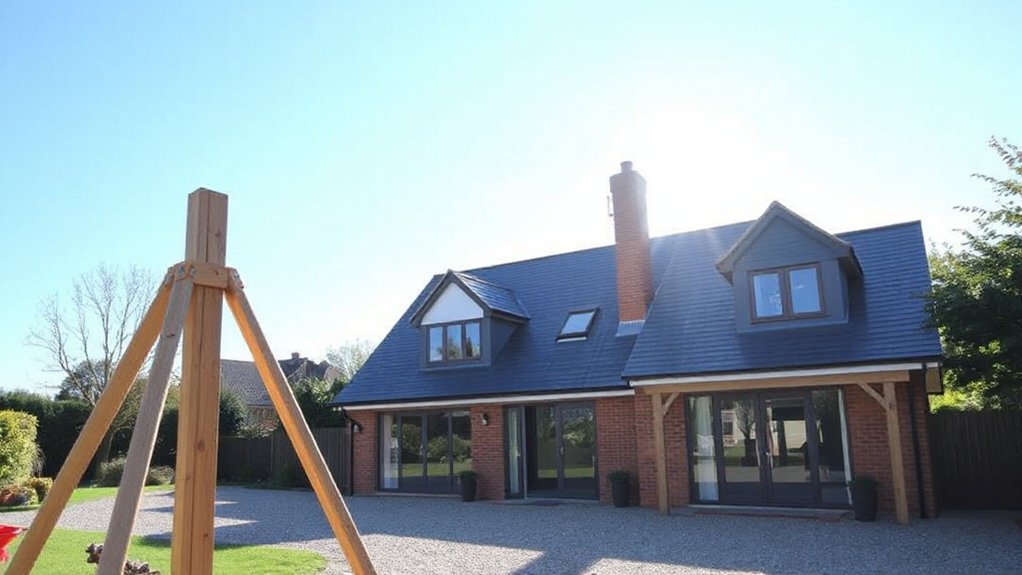
Engaging in pre-application advice can clarify your project’s scope, flag potential issues early, and streamline subsequent submissions.
You’ll understand the benefits, key milestones, and expected costs, helping you plan timelines and budget more accurately.
This early dialogue often saves time and reduces risk by aligning your plans with local requirements from the start.
Pre-Application Benefits
Pre-Application advice helps you identify potential barriers, refine your proposals, and avoid costly revisions later. Engaging early clarifies expectations and directions for your detached extension, balancing design quality with regulatory feasibility. You gain a structured path to address prime concerns before drafting formal plans.
- Historical preservation considerations help you anticipate heritage constraints, align design with local character, and reduce retrofit risk.
- Environmental impact assessments guide site selection, energy efficiency measures, and sustainability commitments, saving downstream remediation costs.
- Time efficiency improves through targeted feedback, enabling you to prioritize changes that access faster approvals and minimize rework.
Key Process Milestones
The Pre-Application Advice Process unfolds through a clear sequence of steps designed to save you time and money. You begin by identifying your project’s scope and potential impacts, then consult your local planning authority to confirm whether you need formal permission.
Next, you gather essential documents, such as site plans, elevation drawings, and a concise design rationale, ensuring technical accuracy. An early meeting or written response clarifies applicable policies, including any Historical restrictions that could affect design choices.
You receive targeted feedback on proposal viability, enabling you to refine before submission and avoid costly revisions. When relevant, ask about renovation grants or funding routes that support compliant improvements.
Finally, you decide whether to proceed with detailed plans, based on the guidance received and your budget.
Cost and Time Savings
A proactive pre-application advice process can save you time and money by identifying required permissions early, clarifying policy constraints, and highlighting potential design adjustments before you invest in detailed plans. You’ll understand how Historical preservation and Environmental impact considerations shape feasibility, cost envelopes, and timelines, enabling more accurate budgeting and scheduling.
- Clarified approvals: early guidance reduces revisions and resubmissions, cutting delays and expense.
- Informed design choices: pre-emptive adjustments minimize costly changes during statutory processes.
- Risk mitigation: recognizing constraints upfront lowers the likelihood of last‑minute refusals or abortive work.
Engaging early yields predictable outcomes, tighter control over costs, and a clearer path to project completion.
Common Pitfalls in Extensions and How to Avoid Them
One common pitfall is underestimating the impact of scale and mass on neighboring properties, which often leads to objections or costly changes later in the process. You mitigate this by conducting an early site assessment, comparing the new footprint with existing structures, and consulting neighbours before submission.
Guarantee your design respects local guidelines on height, setback, and orientation, preventing later distortions or required variances. Plan for practical, enforceable specifications rather than aspirational aesthetics, and document rationales for material choices to support the planning rationale.
Coordinate with professionals to align drawings with building permits requirements, reducing revision cycles. Address outdoor spaces deliberately; improper garden landscaping can trigger boundary concerns.
Finally, anticipate compliance checks and maintain documentation so your extension progresses without unnecessary delays.
Budgeting for Planning, Permissions, and Build
This discussion opens with practical methods to forecast expenses and align them with your design goals.
Budgeting For Permissions
Plan the costs upfront, since budgeting for planning, permissions, and build sets the foundation for a successful detached extension project. You’ll want a clear framework that covers approvals, surveys, and potential contingencies before you submit any application.
1) Identify core permissions costs, including planning fees and any required pre-application advice.
2) Account for investigations, such as title checks, surveys, and historic documentation, plus potential delays caused by Historical regulations and zoning variations.
3) Build a contingency buffer to absorb unexpected charges, revisions, or additional regulations, ensuring you stay on track financially.
Build Cost Planning
To establish reliable Build Cost Planning, start by itemizing every phase from planning fees to construction costs and contingency. You’ll then forecast a total budget, align it with permissions timelines, and assign cost controls to each stage.
Include professional fees for architects, engineers, and surveyors, plus potential specialist inputs. Historical context informs typical variance ranges and risk factors; reference past project data to calibrate allowances and avoid underfunding.
Environmental impact assessments, sustainability requirements, and site-specific remedial work must be priced up early to prevent overruns.
Build cost planning should incorporate contingency buffers, inflation allowances, and escalation scenarios tied to procurement timelines.
Document assumptions clearly, monitor changes diligently, and adjust forecasts as designs evolve, ensuring funding aligns with regulatory milestones and practical construction sequences.
Quick Pathways: A Step-by-Step Check to the Right Route
Planning permissions can feel intimidating, but a quick, structured check helps you pick the right route promptly. You’ll map decisions efficiently, focus on core criteria, and avoid delays. Follow this concise framework to reach a decision confidently.
1) Identify project scope and thresholds: assess extensions, alterations, and whether listed or affecting conservation areas apply.
2) Verify statutory requirements: consult local planning guidelines, permitted development options, and potential pre-application advice, noting any deadlines.
3) Align design with site priorities: integrate Garden landscaping and Energy efficiency considerations early to support approvals and long-term performance.
What If You’ve Already Built Without Permission?
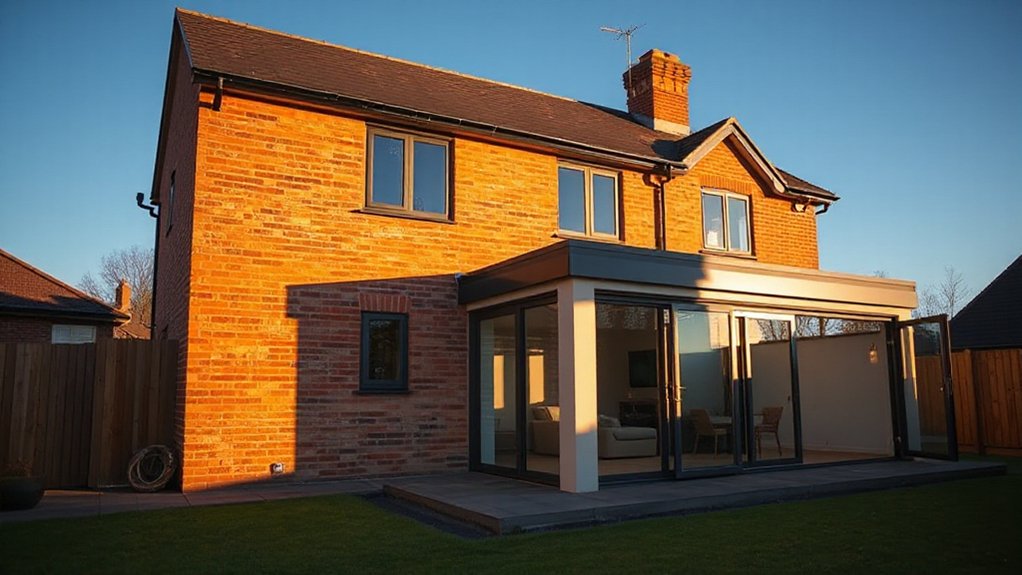
If you’ve already built without permission, you face potential enforcement actions and material considerations that can shape your next steps. First, assess legality and risk; unpermitted work may require retrospective approval or formal irregularities.
You should consult a planning professional to determine whether your structure can achieve legal compliance through a retrospective planning application or a planning breach notice, depending on local rules. In any case, your project’s status will influence required steps, timelines, and costs.
Concurrently, verify the status of Construction permits and ensure any remaining elements align with safety and building regulations. Be prepared for possible mitigation measures or alterations to satisfy planning conditions.
Acting promptly minimizes disruption and clarifies your compliance trajectory. Legal compliance remains the governing objective.
How to Appeal Planning Decisions: When and How
When you disagree with a planning decision, you can appeal to the appropriate planning authority or, in some cases, to an independent planning inspectorate.
You should prepare a concise case, referencing historical precedents and cultural considerations that may influence outcomes. Timeliness matters; submit within the stated deadline and adhere to required formats. Your appeal should clearly identify errors in the decision, relevant evidence, and a proposed remedy.
- Assess grounds for appeal and collect supporting documents, maps, and expert opinions.
- Clearly present how historical precedents and cultural considerations support your case, linking to policy.
- Follow the specified process, respond to requests for additional information promptly, and monitor deadlines.
This approach clarifies your position, increasing the likelihood of a favorable review.
Next Steps: Move Forward With Confidence
With clarity about the decision and your supporting evidence in hand, you can proceed methodically to secure the outcome you want.
You should align next steps with the historical context of local approvals and the current zoning regulations that apply to your site. Verify exact requirements for detached extensions, including setbacks, height limits, and any permitted development rights that may impact your plan.
Prepare a concise brief summarizing the rationale, supporting calculations, and anticipated impact on neighbors and the street scene.
Engage the project team early—architect, planner, and builder—to confirm scope, timelines, and costs.
Schedule professional consultations if gaps appear in your evidence.
Document decisions, revisions, and communications to maintain a clear audit trail for future reference.
Frequently Asked Questions
Can Retroactive Consent Be Obtained After Building a Detached Extension?
You can pursue retroactive consent, but you’ll need to submit a planning application, demonstrate compliance with building regulations, and address potential enforcement actions. The planning application process assesses alterations, while you must guarantee all relevant standards are met.
Do Extensions Affect Council-Tax Classifications or Rates?
Extensions can affect council tax only if they change your home’s value or occupancy; otherwise, shielded by planning exemptions and building regulations compliance. You should verify with local authorities, ensuring accurate classifications and ongoing adherence to regulations.
Are There Height Limits for Detached House Extensions?
Yes, there are building height restrictions and extension size limitations you must respect. You’ll typically face local standards dictating maximum eaves, ridge heights, and overall extension dimensions, depending on location and plot boundaries, so check your council’s guidance first.
How Do You Calculate Impact on Existing Boundary Rights?
You calculate impact on existing boundary rights by evaluating boundary encroachment and potential property line adjustments; you measure setbacks, consult deeds, and notify neighbors, ensuring legal limits aren’t exceeded while documenting changes.
Can I Use Opção of “Permitted Development” if Plot Is Unusual?
Yes, you may rely on permitted development only if building height and property boundaries meet rules; however, unusual plots often require planning checks to confirm allowances and avoid breaching boundaries. Always verify explicit constraints before proceeding.
Conclusion
Conclusion: You should verify, with certainty, whether your detached extension fits permitted development or if you need planning permission. Gateways vary by location, so consult your local planning authority before any work starts. When in doubt, seek formal advice rather than guesswork—getting it wrong could be a planning headache bigger than a dragon’s hoard. By checking early, you’ll move forward with confidence and avoid costly delays, ensuring your project stays compliant and on track.