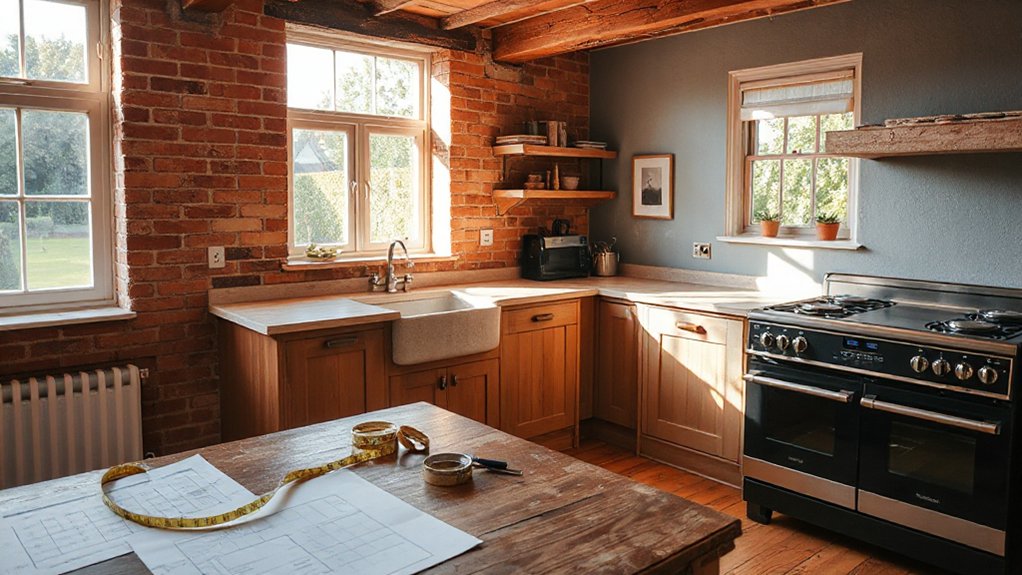
You’re weighing the true cost of renovating a UK cottage, where materials, labour, and permissions drive the line items more than any single feature. The numbers hinge on structural fixes, insulation choices, and preservation constraints, with timing and contracts shaping the final bill. A precise budget relies on clear scope, tiered plans, and risk buffers. Stay attentive to quotes and phasing; the next moves determine whether your project stays affordable or escalates—before you commit to a single decision.
What UK Cottage Renovation Costs Really Look Like

Renovating a UK cottage isn’t a single price tag but a spectrum of costs driven by structure, insulation, and finishes. You’ll see that renovation budgets hinge on the shell’s integrity, moisture control, and the ability to add modern services without compromising character.
Historic preservation informs decision points; you’ll balance preserving features with code compliance, which can shift material choices and scheduling.
Sustainable building practices matter for long-term operating costs, so you’ll evaluate insulation, airtightness, and ethical sourcing as part of the financial plan.
Caps on risk arise from hidden defects, yet you’ll prioritize a clear contingency to protect projected margins.
What Drives Those Costs: Materials, Labour, and Permissions
Material costs, labor-ready capacity, and permissions together set the floor for any cottage renovation budget. You analyse the three drivers as distinct streams that converge on total expenditure.
Materials form the baseline, with price volatility driven by supply chains, timber scarcity, and energy tariffs; you quantify variance and sensitivity to market cycles.
Labour represents efficiency, skill mix, and regional wage differentials, where productivity gains shave days and cost.
Permissions, including planning and building regulations, translate policy risk into a known premium; you forecast delays and fees, integrating contingency buffers.
Historic preservation matters when exterior and interior constraints limit substitutions, often raising unit costs but preserving value.
Eco friendly upgrades influence long-run cash flow through energy savings, offsetting up-front premium across the asset’s life.
How to Set a Realistic Budget for a UK Cottage Renovation
To set a realistic budget for a UK cottage renovation, start with a clear scope and a tiered cost plan that reflects you, the project timeline, and risk reserves. Define essential, desirable, and optional items to foreground trade-offs and contingency.
Then attach firm cost estimates, supplier quotes, and escalation allowances to each tier, updating as you refine drawings and approvals. Include a dedicated line for Historical preservation considerations and potential grants, as these shape both scope and funding.
Track energy efficiency targets early to quantify long-term savings and payback. Finally, implement a governance process with monthly reviews, variance analysis, and a risk register to keep you aligned with the budget.
- Clear scope with tiers
- Contingency and escalation
- Performance-linked milestones
Sequencing Tasks to Cut Costs in a Cottage Build

Sequencing tasks effectively can shave upfront costs by aligning procurement, trades, and approvals to a logical, cash-flow friendly order. You map critical path items first—structural work, damp and insulation, then systems—to avoid rework and late-stage bottlenecks.
By sequencing, you lock in supplier lead times, preventing rush orders and premium freight. Budget discipline comes from predefining milestones and holdbacks, so payment milestones reflect progress, not promises.
Consider DIY pitfalls; tackling small, low-skill tasks early can seem economical but risks delays and subpar results that ripple later.
When planning, account for historical preservation requirements, where approvals or specialized materials influence timing and costs.
A disciplined sequence reduces change orders, improves negotiation leverage, and yields more accurate cash forecasts, enabling better funding decisions and faster project momentum.
Getting Accurate Quotes and Binding Contracts Early
Securing accurate quotes and binding contracts early is essential to protect cash flow and minimize risk. You should quantify all cost elements, compare bids rigorously, and verify scope alignment with contractor selection criteria.
Early binding contracts lock price and schedule, reducing exposure to material and labour fluctuations while clarifying payment milestones, penalties, and change-order processes. Prioritize transparent assumptions, unit rates, and contingency allocations to avoid later disputes and overruns.
Confirm permits are factored in; renovation permits can impact timelines and cash needs, so include permit deliverables in the contract and milestone payments. Maintain auditable records to support cost control and future valuations.
- Confirm contractor selection criteria include track record, warranty terms, and financial stability
- Tie milestones to permit approval timelines and inspection checkpoints
- Require explicit change-order and escalation provisions to manage price shifts
Frequently Asked Questions
How Long Does a Typical Cottage Renovation Take From Start to Finish?
You’ll typically complete a cottage renovation in 3–6 months, depending on scope. For tighter budgets, expect closer to 4–5 months. Track renovation timelines precisely, because cottage aesthetics drive decisions, while costs pressure cash flow and scheduling.
What Hidden Costs Should I Expect in a Cottage Project?
Hidden fees lurk like damp corners; you’ll encounter unexpected expenses, particularly permit delays, drainage surprises, and VAT miscalculations. You should budget contingencies, track quotes precisely, and review contracts to prevent spiraling costs and cash-flow shocks.
How Do Planning Permissions Impact the Timeline and Budget?
Planning permissions can extend timelines and raise costs; securing building permits and maneuvering zoning restrictions add delay and contingency. You’ll face permit fees, potential redesign costs, and compliance checks, so build a cautious budget with scoping and milestones.
Can Historic Features Affect Insurance and Mortgage Terms?
Historic features can influence Insurance implications and, to a degree, mortgage terms; you’ll face higher premiums or stricter coverage, but also potential tax relief if you pursue certified Historic preservation, affecting overall project budgeting and risk assessment.
What Happens if Costs Overrun or Contracts Are Breached?
If costs overrun or contracts are breached, you face contract disputes and potential penalties; you should quantify forecasts, set contingency buffers, and document unforeseen delays to negotiate extensions, revised budgets, or terminations, protecting cash flow and lender confidence.
Conclusion
You’ll walk away with a cheeky grin and a calculator in hand. It’s not magic, it’s margins: materials, labour, permissions—allocate, track, constrain. You’ll smile at contingencies you actually plan for, not pretend don’t exist. Sequencing will tell you where to cut without wrecking the charm, and binding quotes will behave like grown-ups in a budgetary sandbox. In short, be precise, be cautious, and enjoy the financial show: your cottage’s new prestige funded by discipline, not despair.