Think of your budget as a precise instrument, slicing through costly overhauls to reveal real value. You’ll prioritize ROI-first moves—paint, lighting, and curb-appeal tweaks—before chasing trend-driven upgrades. Quick wins keep costs low yet impactful, while energy efficiency adds long-term savings. If you want a clear path that levels up value without overspending, you’ll want the specifics that follow to guide every decision. Now, where should you start to maximize impact?
Start With a Roi-Driven Budget for Renovations
To maximize return, start with a budget guided by expected ROI rather than gut feel. You’ll map a ROI-driven plan by tying each potential upgrade to measurable value, not preference alone.
Begin with budget allocation that prioritizes high-visibility, high-impact areas while preserving essential systems. Gather data on typical resale uplift per project, then weight renovations by cost efficiency and market demand.
Use renovation planning to create scenarios: best-case, expected, and conservative, each with a clear ROI threshold. Track opportunity costs and set hard caps to prevent overspending.
Align your timeline with supplier lead times and permit requirements to avoid delays. Document assumptions, monitor actual costs against forecasts, and adjust proactively.
This disciplined approach keeps investments rational, scalable, and aligned with your overall strategy.
Quick Wins: Budget-Friendly Paint and Lighting Upgrades
Fresh paint delivers a visible, low-cost lift, with data showing a higher perceived value and faster buyer engagement.
You can maximize impact by choosing brighter, neutral tones and low-VOC options to optimize air quality and appeal.
Pair these with energy-efficient lighting upgrades to boost room brightness and reduce operating costs, driving measurable value.
Fresh Paint, Big Impact
If you’re aiming for quick, noticeable upgrades on a budget, a fresh coat of paint paired with strategic lighting can deliver big value without disrupting your schedule. Color psychology guides choices that influence mood and perceived space, while paint durability guarantees long-term savings from fewer touch-ups. Choose low-VOC blends for indoor circulation and durable enamel for trim.
- Paint the walls in restrained neutrals that maximize light and make rooms feel larger.
- Upgrade fixtures and bulbs to high-CRI LEDs, aligning brightness with room purpose.
- Target focal areas with accent colors that reinforce desired ambiance without overwhelming.
This approach yields measurable value: faster rooms, brighter perception, and lower maintenance. Use data from previous renovations to select finishes with proven longevity and customer appeal, maximizing return.
Brighter Lighting Wins Value
Brighter lighting routinely boosts perceived value faster than larger investments, and it pairs perfectly with budget-friendly paint choices. You’ll see measurable impact when you combine higher-lumen fixtures with lighter wall shades, creating an ambient ambience that reads as larger and more welcoming.
Prioritize daylight-mimicking LEDs in key rooms, then layer with task lighting to eliminate dark corners. This approach yields a noticeable uptick in natural brightness, which buyers interpret as well-maintained and efficient.
Use dimmable options to guarantee flexibility for different moods and scenes, maximizing appeal without overspending. Track results by noting time-on-market shifts and price perception in feedback quotes.
Pair lighting upgrades with neutral palettes and clean lines to maintain cohesion, clarity, and a strategy that’s repeatable across projects.
Budget Kitchen Refresh: 7 High-Impact Updates
Upgrading your kitchen on a budget starts with high-ROI changes: fresh cabinet hardware, efficient lighting updates, and a cost-efficient backsplash. These moves boost perceived value while keeping costs predictable and fast to implement.
We’ll quantify impact and map the sequence for maximum return.
Fresh Cabinet Hardware
New cabinet hardware is one of the quickest, most cost-effective ways to refresh a kitchen, delivering a noticeable upgrade without a full remodel. You can expect measurable impact on perceived quality and resale appeal, with low risk and clear ROI. Focus on finishes and proportions that align with your cabinet profile and existing fixtures.
1) Replace chrome pulls with matte black or warm brass to create bold contrast and modern depth.
2) Swap oversized knobs for slimmer, recessed options to improve ergonomics and line continuity.
3) Layer vintage fixtures with understated statement accents for character without clutter.
Data cue: install phase-time under 2 hours, cost under $300, and a 15–20% lift in visual value. Budget-conscious, value-driven, decision-ready.
Efficient Light Updates
After invigorating cabinet hardware to sharpen the kitchen’s look, efficient lighting upgrades push that value further with minimal disruption and measurable returns. You’ll lean on smart lighting to tailor tasks, mood, and energy use, driving efficiency without overhaul.
Ambient illumination should balance brightness and contrast, reducing eye strain while highlighting finishes. Choose dimmable LEDs, focusing on color temperature around 2700–3500K for warmth with clarity.
Layered lighting—counter, task, and ambient—targets key zones and lowers glare on glossy surfaces. Sensor or timer controls curb waste, delivering consistent performance and quantified savings.
Budget-friendly fixtures with standardized sockets streamline installation, limiting downtime. Track results via light output (lumens), energy bills, and resale-ready contrasts.
Informed choices support faster decision-making, measurable value, and a refreshed, functional kitchen identity.
Cost-Effective Backsplash
Could a cost-effective backsplash boost value without a full kitchen remodel? Yes, if you choose wisely. A well-planned backsplash delivers high visual impact with minimal disruption, translating to measurable resale appeal.
Data shows durable, easy-care surfaces reduce maintenance costs and attract move-ready buyers. Focus on style-neutral palettes and sustainable materials to maximize broad appeal.
- 1) Choose a neutral, timeless tile that complements cabinetry and counters.
- 2) Prioritize easy-clean finishes and moisture resistance for longevity.
- 3) Integrate decorative accents that echo the room’s color scheme without overpowering it.
Decorative accents and sustainable materials matter because they signal quality and responsibility to buyers, boosting perceived value while keeping costs controlled.
Pair with concise施工 notes, and you’ll reinforce a strategic, cost-efficient upgrade.
Bathroom Upgrades That Deliver Real ROI
Bathroom upgrades deliver real ROI when you focus on cost-per-value. You’ll see the strongest returns from updates that improve daily use while signaling quality to buyers.
Prioritize efficiency: low-flow faucets, LED mirrors, and space-saving storage reduce operating costs and boost appeal.
Data shows mid-range renovations outperform deluxe overhauls, so choose durable materials that avoid quick wear.
When selecting finishes, balance cost with perceived value; luxury fixtures can elevate perception without multiplying price.
Focus on layout: a refreshed vanity, improved lighting, and a framed mirror can transform the room at modest expense.
For pattern and texture, incorporate custom tile in a restrained pattern to avoid overinvestment.
Pair restraint with targeted upgrades to maximize resale impact and minimize project risk.
Curb Appeal Tweaks to Attract Buyers Fast
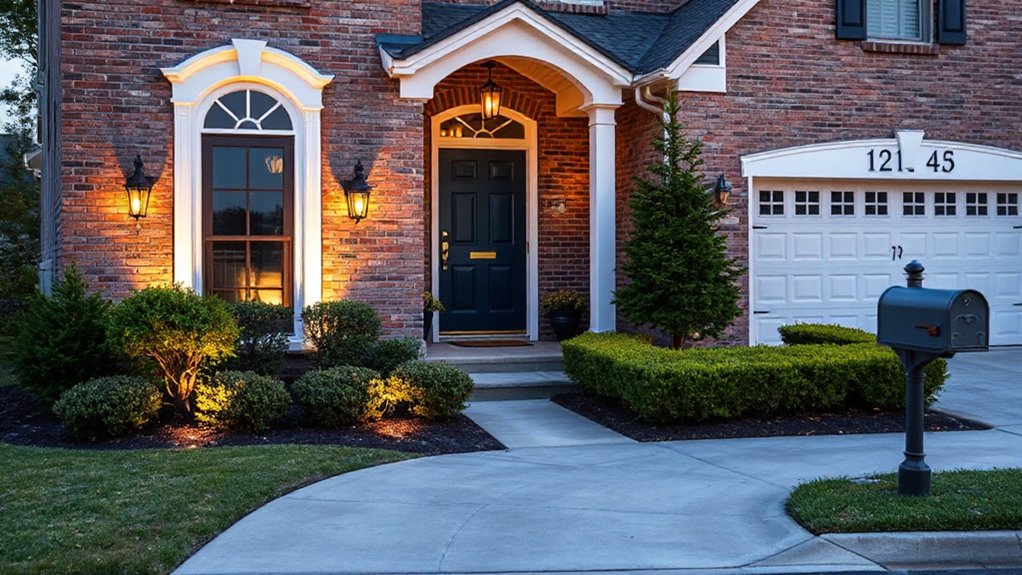
Curb appeal matters fast: small, high-impact tweaks can boost buyer interest and perceived value before your listing even hits the market. You’ll move faster if you sharpen the first impression with data-backed, low-cost fixes.
- Garden lighting: install warm, energy-efficient fixtures along walkways and entry points to extend viewing hours and highlight landscaping.
- Driveway repair: seal or reseal cracks and fix uneven surfaces to reduce perceived neglect and improve curb presence.
- Entry framing: paint the front door a neutral, inviting color and replace a worn mailbox to create an immediate, premium feel.
These tweaks are measurable: lighting enhances safety perception, repairs curb risk, and entry updates lift perceived quality, all driving faster inquiries and stronger offers.
Energy-Saving Fixes With Strong Payback
Energy-saving upgrades deliver quick, measurable payback by reducing operating costs and boosting buyer appeal. You’ll see the strongest returns from projects with proven efficiency gains and broad market adoption.
Solar panels deliver long-term savings when aligned with local utility incentives and favorable write-offs, though installation costs hinge on roof orientation, shading, and system size.
Insulation upgrades reduce thermal losses, often outperforming cosmetic fixes in annual energy bill reductions.
Prioritize high-ROI options: sealing air leaks, upgrading weather-stripping, and choosing between dense-pack or spray-foam methods based on climate.
Measure impact with annualized bill reductions and resale value estimates from local comps.
Avoid over-investing in features that don’t translate to broader buyer appeal; target improvements that persist across market cycles.
Flooring Refresh on a Lean Budget
You can refresh floors on a lean budget by comparing cost per square foot across paintable vinyl planks, peel-and-stick vinyl, and budget tile upgrades to maximize impact per dollar.
The data shows paintable vinyl planks offer quick installation with durable looks, while peel-and-stick vinyl can cut materials costs without sacrificing style.
Budget tile upgrades provide a focal upgrade at a lower price point.
Start by mapping expected lifespan, maintenance, and resale impact for each option to prioritize the best value for your space.
Paintable Vinyl Planks
- Visual depth: authentic grain textures mimic real wood, enhancing perceived space.
- Installation speed: click-and-lock planks reduce labor, shortening project timelines.
- Resale confidence: durable wear layers resist scuffs, preserving finish under high-traffic use.
Key benefits include flooring versatility across rooms and layouts, plus easier maintenance compared with traditional wood. Data supports lower lifecycle costs and faster ROI when you choose paintable vinyl planks for a refreshed, cohesive look.
Use high-contrast trims to emphasize lines, and select shades that align with existing fixtures to maximize impact.
Peel-and-Stick Vinyl
Data shows high return on modest investments when updated flooring boosts perceived value and cleanliness ratings.
Choose tiles or planks with a wear layer suited to your traffic, and measure rooms precisely to avoid waste.
Preparation matters: clean, dry subfloors, remove moldings temporarily, and align patterns for visual cohesion.
Install straight, use spacers, and roll seams tightly to minimize gaps.
Pair the floor with decorative wall accents to reinforce a refreshed vibe without pulling in new furniture.
Prioritize neutral tones for broad appeal, and set a budget cap to maximize ROI.
Budget Tile Upgrades
Could you upgrade with budget-friendly tile that quietly boosts value? You can pair affordability with impact by selecting durable porcelain or ceramic in neutral tones, then optimize the look through concrete-inspired textures and thoughtful grout. Tile textures and grout colors matter more than you think for perceived quality and upkeep.
- Choose mid-range porcelain with a subtle, slip-resistant finish to extend lifespan and reduce replacement costs.
- Favor light or medium grout colors to visually enlarge spaces and minimize dirt visibility.
- Coordinate tile textures across high-traffic zones (kitchen, entry, baths) for cohesive, low-maintenance appeal.
Data-backed wins: lower maintenance, higher perceived value, and easier resale, all achieved without overspending.
Smart Storage Solutions for Small Spaces
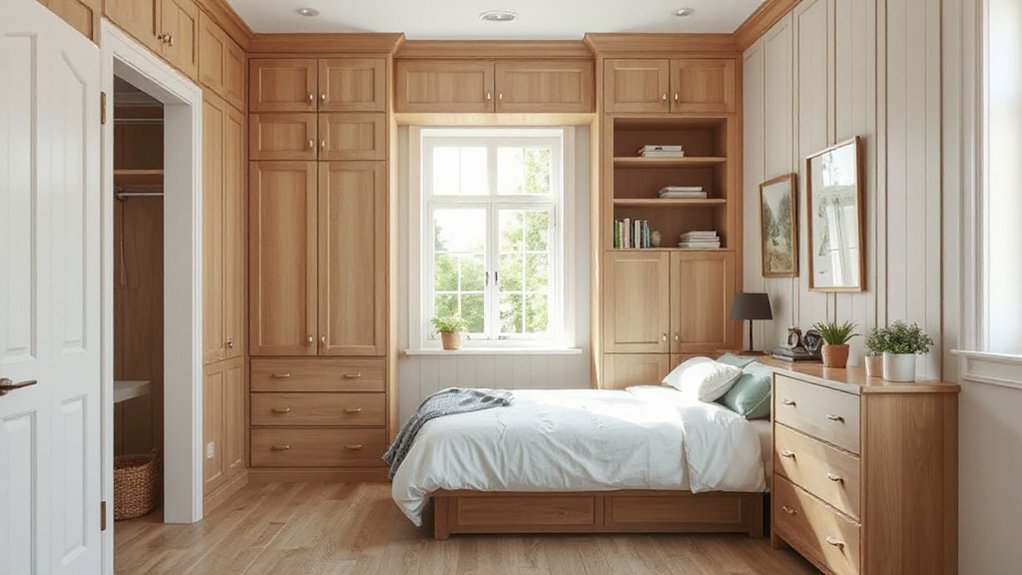
Start with vertical storage: tall shelves, wall-mounted cabinets, and pegboard systems reduce floor clutter and boost storage capacity per square foot.
Opt for multi-purpose furniture — beds with drawers, ottomans with hidden compartments, dining tables that collapse — to keep surfaces clear.
Use underutilized zones: door organizers, corner units, and high hooks for seasonal items.
Implement consistent naming and labeling to curb chaos, improving long-term usability.
This is space optimization in practice: measurable gains from modular modules, adjustable shelves, and standardized hardware.
Track results with simple metrics to validate storage hacks that reliably enhance value.
Layout Tweaks: Open-Concept Improvements for Value
Open-plan flow can boost perceived space and natural light, improving daily usability without major gutting.
By prioritizing visible living areas and strategic sightlines, you can create shared zones that feel larger while keeping key rooms functional.
Flexible zoning options let you tailor open-concept layouts to changing needs, preserving value with adaptable design.
Open Plan Flow
- Zone with subtle flooring shifts to guide flow without walls.
- Incorporate a compact island or peninsula to anchor tasks and conversation.
- Optimize cabinets and storage to maintain uncluttered sightlines and enhance perceived openness.
These steps support flow optimization by prioritizing sightlines, multipurpose surfaces, and integration with daylight.
Prioritize measurable outcomes, like improved room ratio, reduced traffic bottlenecks, and consistent aesthetic across the open plan.
Visible Living Areas
Choose a cohesive material palette and scale to prevent visual clutter; the result should feel larger and more connected. Prioritize zones that support daily routines, like a seating arrangement oriented toward a prep area, and guarantee lighting layers highlight focal points without glare.
Incorporate outdoor furniture and landscaping tips to extend the perceived living area beyond the interior when appropriate. Data shows open visuals correlate with higher perceived room size, faster sales, and stronger buyer confidence.
Flexible Zoning Options
Can flexible zoning options boost value without costly renovations? Yes, when you reframe space using zoning flexibility and land use data, you unlock open-concept appeal without major walls. You measure impact by flow, light, and resale traction, then act with precise tweaks.
- Reallocate walls and load-bearing assessments to create shared living zones that feel larger without adding footprint.
- Prioritize daylight corridors and multifunctional nooks to enhance usable square footage and curb appeal.
- Align setbacks, parking, and setbacks with local land use codes to maximize permitted use and marketability.
You monitor trends, compare comps, and document efficiency gains. The result: a diversified layout that reads modern, spacious, and value-forward, backed by data rather than guesswork. Zoning flexibility drives value with minimal disruption.
Exterior Upgrades for Instant Curb Appeal
Exterior upgrades deliver immediate curb appeal that can boost buyer impressions and appraised value. You’ll focus on high-ROI moves that are affordable and quick to implement, with clear data backing their impact.
Start with a clean, cohesive exterior palette and inspect sightlines from the street to guarantee symmetry and balance.
Prioritize low-maintenance materials, durable finishes, and weather-appropriate coatings to reduce long-term costs.
Garden lighting enhances safety and highlights architectural angles after dark, while a refreshed driveway needs only minor repairs or resurfacing to restore a solid first impression—often yielding a strong value bump.
Update fascia, trim, and soil beds to create instant polish without heavy construction.
Track costs and projected value lift to justify the investment to buyers and lenders.
Doors, Trim, and Hardware: Cosmetic Upgrades That Count

Doors, trim, and hardware deliver high-impact cosmetic upgrades without heavy construction. You’ll see value from targeted swaps that impact perception more than cost. Use data-backed choices to maximize appeal with minimal disruption.
- Replace entry door hardware with a polished, modern finish to boost curb appeal and perceived security.
- Update interior door hardware and hinges for cohesive, high-end feel across rooms.
- Refresh trim accents: paint or re-stain baseboards and crown molding to unify style and highlight architectural details.
These updates are fast to implement and deliver strong ROI, especially when paired with fresh paint and consistent finishes. Focus on door hardware and trim accents that align with your home’s color palette and hardware trend data for durable, lasting impact.
Space-Maximizing Layout Changes: Practical Reconfigurations
You can carry the momentum from upgraded doors and trim into smarter space planning that adds usable square footage without expanding the footprint. Practical reconfigurations focus on function, not form, delivering measurable value.
Begin with core zones: kitchen, living, and storage, aligning traffic patterns to reduce wasted steps and improve natural light flow. Use partial walls, pocket doors, or movable islands to flex spaces without costly build-outs.
Prioritize storage solutions that minimize clutter—built-ins, vertical shelving, and under-stair compartments boost usable area without shrinking rooms.
Lighting design matters: layered layers of task, ambient, and accent lighting create perceived space and improve usability.
Validate changes with flow diagrams and cost-benefit analysis, ensuring each tweak adds value and improves daily living without requiring major remodels.
Landscaping on a Budget That Buyers Notice
Ever wonder how a few smart landscape tweaks can boost curb appeal without breaking the bank? You’ll see immediate impact when you prioritize concise, high-ROI changes. Focus on garden design choices that read well from the street and scale with your budget.
- Create focal points with low-cost, drought-tolerant plantings that frame entry paths and windows.
- Install simple, energy-efficient outdoor lighting to extend evenings and highlight focal features.
- Define clean edges and tidy beds with mulch and edging to improve perceived value.
Emphasize structure over novelty: cohesive plant palettes, consistent maintenance, and visible care signal ongoing value.
Pair garden design with strategic outdoor lighting to transform anonymous facades into inviting scenes buyers remember.
Maintenance-Free Upgrades That Stave Off Future Costs
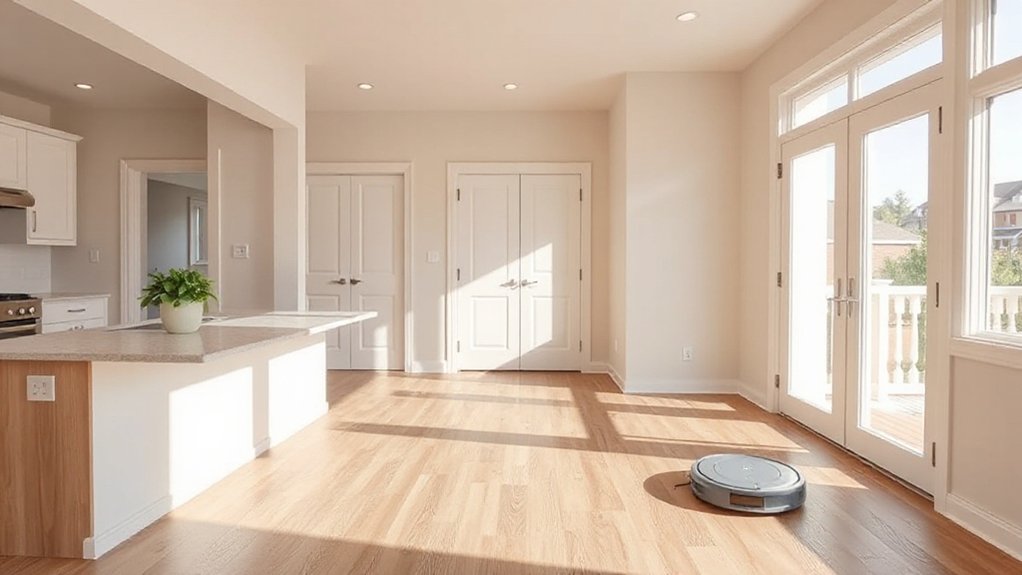
Upgrading with maintenance-free elements protects your investment by reducing ongoing upkeep and avoiding surprise costs. You’ll want components that resist wear, minimize repairs, and lower monthly expenses over time. Prioritize low-maintenance finishes, durable siding, and sealed, water-resistant systems that perform without constant attention.
Data shows that once installed, maintenance-free upgrades cut annual upkeep by a meaningful margin, boosting net value at resale. Integrate Eco friendly essentials to align with energy savings and durable materials, which also attract cost-conscious buyers.
Pair these with Smart home integrations to centralize controls and detect faults early, lowering service calls. This combination yields predictable operating costs and a faster return on investment, enabling you to market reliability and long-term savings without additional obsolescence risk.
How to Prioritize Improvements for Maximum ROI
To maximize ROI, start with a data-driven assessment that maps project impact to cost and risk. You’ll compare expected value, cost analysis, and timing to prune low-yield ideas and spotlight high-payoff moves. Then allocate budget where improvements drive occupancy appeal, energy savings, or durability.
- Identify quick wins: low cost, high visual impact, fast completion.
- Prioritize durable upgrades: materials and systems with long lifespans and measurable energy or maintenance savings.
- Sequence renovations: tackle foundational issues first, then style updates with market-ready appeal.
This approach supports disciplined renovation planning, reducing overrun risk while boosting resale value. Focus on measurable metrics, not impressions, and adjust based on data rather than intuition.
You gain clarity, prioritize confidently, and maximize ROI across your project portfolio.
Frequently Asked Questions
How Do I Calculate ROI Before Starting a Project?
To calculate ROI before starting, you conduct a financial analysis, estimate costs, and project added value. Compare net gains to total costs, and adjust for risk. This informs renovation planning with data-driven, strategic decisions.
Which Low-Cost Upgrades Most Boost Resale Value?
You’ll save more by focused, affordable upgrades—like fresh paint and hardware—then see a 2–5% bump in resale value; picture a curb appeal upgrade adding a first impression worth thousands. Affordable upgrades boost appeal, curb appeal enhancements drive buyers.
What Hidden Costs Should I Budget For?
Hidden costs vary, but you should plan for permit fees, material delays, delivery surcharges, and scope creep. Do a cost comparison, then tighten Budget planning; you’ll minimize surprises and keep your renovation on schedule and within target value.
Which Projects Require Permits or Inspections?
Certain projects require permits or inspections; you should verify local rules before starting. Permit requirements vary by scope and jurisdiction, and inspection processes guarantee safety and code compliance, influencing timelines, costs, and eligibility for value-enhancing renovations.
How Long Until I See a Return on Investment?
You’ll typically see ROI within 1–5 years, depending on market and scope. A painting refresh boosts curb appeal, while updating kitchen fixtures accelerates value. Track costs, compare with comps, and monitor days-on-market to gauge impact.
Conclusion
In a world where ROI wears a hard hat, you’ll see the numbers line up like perfect plumbing. Quick wins—paint, lighting, hardware—deliver immediate “wow” without breaking the bank. Kitchens and baths punch above their weight with seven savvy tweaks; curb appeal upgrades turn “maybe” into “sold.” Space reconfigurations maximize square footage, while budget landscaping and maintenance-free choices keep future costs down. Prioritize by ROI, and your renovation becomes a data-driven saleable story, not a vanity project.