
Autumn is the ideal moment to refresh your UK garden because it quietly slows growth, renews soil life, and sets a vibrant frame for next year. You can tidy beds, prune responsibly, and mulch for moisture retention, while sowing hardy annuals for late-season color. Plant bulbs for spring color and divide crowded perennials to rejuvenate borders. This season also lets you test soil, enrich it, and plan your year ahead—with tips you’ll uncover as you continue.
Autumn Garden Refresh in the UK: Your Step-by-Step Plan

Autumn is the perfect time to reset your UK garden, with cooler days and softer light guiding practical, beautiful changes. You’ll start with a quick assessment: what to remove, what to revise, and what to reveal.
Begin by tidying beds, cutting back perennials that have faded, and mulching to conserve moisture. Consider Autumn foliage as your cue for color contrast—foil harsh stems with soft textures and deepen garden aesthetics through layered greens, ambers, and plums.
Swap tired annuals for robust autumn performers or evergreen accents that hold structure. Prune judiciously to shape plants without stressing them, and label progressions for next year.
Create focal points with seasonal sculpture or a textured sequence of pots. Finish with a calm, prepared border for year-round appeal.
Plant Bulbs for Spring Color: When, Which Varieties, and How
Spring blooms begin with smart bulb timing: plantways that guarantee color peaks when the garden wakes. As you plan, you’ll follow a clear planting guide: map bloom windows, choose reliable spring bulbs, and stagger for extended display.
Wait for lists of flowering types: daffodils, tulips, crocuses, and muscari, selecting varieties with varied heights and hues to echo foliage and structure.
Prepare well-drained soil, amend with compost, and mark depths on your notes.
Plant bulbs in groups for impact, with three to five bulbs per focal point at about two to three times their height, and overlook no-noshows.
Water after planting, mulching to protect over winter, then resist digging until growth re-emerges.
With these steps, you’ll enjoy vibrant, early-season color all season long.
Divide Perennials to Rejuvenate Your Beds
Dividing perennials is a straightforward way to refresh beds and boost flowering vigor. In autumn, you gain time before frost to shape clumps and extend life.
Choose sturdy specimens that have naturalized or crowded cores; avoid stressed plants. Dig gently around the clump, lift with a fork, and tease apart roots into compact sections.
Each division should have at least three shoots and a healthy root system to guarantee rapid establishment. Replant immediately at the same depth, water deeply, and mulch to conserve moisture.
This practice promotes perennial rejuvenation by exposing fresh growth points and invigorating energy flow through the root zone.
Label divisions if you’re mixing varieties, and plan future maintenance to sustain continuous color and structure. Root division delivers dependable, long-term garden vitality.
Sow Hardy Annuals to Extend Your Display

Sow hardy annuals now to keep color through autumn and into early next season. Choose reliable varieties, stagger sowing, and water evenly to establish strong roots.
You’ll extend your display with confident, low-maintenance blooms that endure cooler days.
Sow Hardy Annuals
Yes—now is the moment to sow hardy annuals and extend your garden’s display through autumn. You’ll select robust varieties suited to UK conditions, focusing on reliable germination and rapid establishment.
Prepare seed beds with well-drained soil, and sow at the shallow depth recommended on packets. Space thoughtfully to encourage colorful foliage and easier maintenance, while allowing room for late blooms that provide sustained color.
Keep soil moist but not waterlogged, and protect emerging seedlings from sudden cold snaps with a light fleece if needed.
Once established, these hardy annuals will deliver a dynamic display, supporting a wildlife-friendly habitat and attracting pollinators late in the season.
- Choose varieties that suit autumn light and moisture
- Monitor moisture, avoid overwatering, and mulch lightly
- Plan for staggered sowings to extend bloom time
Extend Garden Display
As you carry on from sowing hardy annuals, you can extend your garden’s display by selecting varieties that bloom on cue as summer fades. Choose reliable types with long-lasting color and bold form to bridge seasons, keeping maintenance minimal.
Pair contrasting shapes—spiky statistics with soft, rounded blooms—to create dynamic garden aesthetics as daylight shortens. Plan plant combinations that echo your existing palette, then layer foliage textures to sustain interest into autumn.
To maximize impact, stagger sowing or succession-plant only a few weeks apart, ensuring repeated color flashes. Keep containers and borders tidy, so late-season drama isn’t overwhelmed by debris.
Finally, label selections clearly, enabling effortless replanting next year and preserving your garden’s cohesive look as the season changes.
Autumn Soil Health: Feed, Amend, Mulch

Autumn soil health starts with a clear plan: feed, amend, and mulch to restore structure, replenish nutrients, and conserve moisture as the growing season winds down. You’ll improve soil texture by layering inputs thoughtfully, then monitor results with a simple soil test to guide application rates.
Embrace practical composting techniques to create nutrient-rich humus, reducing waste while expanding microbial life.
Targeted feeding helps perennials and structure for next spring, while mulching locks in moisture and moderates temperature swings.
Align amendments with your beds’ needs, avoiding excess nitrogen that risks leaf burn.
Prioritize consistency over intensity, building a resilient foundation that supports root development and slow, steady growth.
Your autumn garden can emerge stronger, more vibrant, and ready for early-season momentum.
- soil testing
- composting techniques
- mulch strategy
Pruning and Cleanup for a Tidy, Ready-to-Grow Bed
Pruning and cleanup clear the slate so your beds look intentional and grow-ready. You’ll trim overgrown perennials, cut back spent stems, and remove clutter to reveal structure and form.
Target dead wood, diseased leaves, and crowded growth with crisp cuts that won’t stress plants. Discard debris to reduce disease risk and prepare space for new shoots.
Mulching after pruning locks in moisture and moderates temperature, aiding tidy regrowth.
Define pathways and focal points to guide eye lines through the bed, enhancing garden decor even when visuals are sparse.
Consider leaving staggered seedheads for wildlife, but prune selectively to avoid shading emerging sprigs.
Finish by evaluating spacing and compatibility, ensuring air flow and neat edges for a ready-to-grow, resilient bed.
Build Winter Resilience and Early Spring Momentum
Winterize soil health now to lock in nutrients and moisture, then set the stage for a brisk spring restart.
You’ll layer organic matter and a light mulch to protect roots and foster microbial life through the cold, while designing a jumpstart plan for early growth.
This approach blends practical steps with a mindful, aesthetically aware mindset to propel your beds from dormancy to momentum.
Winterize Soil Health
How can you safeguard your soil as temperatures drop and moisture shifts? You build winter resilience by strengthening structure and biology now. Start with a soil test to gauge pH, nutrients, and texture, guiding precise amendments.
Then apply compost, ensuring a rich, crumbly layer that enhances water retention and microbial life without smothering roots.
Mulch with a breathable cover to stabilize temperature swings and reduce evaporation.
Incorporate green manures or cover crops where possible to feed soil in winter and wake it gently in spring.
Plan drip irrigation adjustments to avoid under- or over-watering as days shorten and rainfall patterns change.
- Prioritize Soil testing to inform amendments
- Use compost application to enrich texture and biology
- Mulch thoughtfully for temperature balance and moisture control
Jumpstart Spring Growth
As the cold loosens and days lengthen, you can spark early growth by waking soil life and inviting vigorous roots. Jumpstart Spring Growth focuses your autumn tasks into a strong foundation for next season, building winter resilience and momentum.
Embrace layered composting and light, strategic mulching to protect crowns while warming the root zone; you’ll watch roots extend confidently ahead of shoots. Keep irrigation measured and consistent, supporting soil structure without encouraging disease.
Choose plants with robust early vigor, aligning them with garden architecture to create year-round interest even as seasons shift. Pairing autumn foliage accents with structural lines helps guide future growth and maintain aesthetic cohesion.
This approach balances practicality, craftsmanship, and beauty, delivering a resilient, vibrant start to spring.
Pest and Disease Watchlist for Shorter Days
With shorter days nudging plants into dormancy, now’s the time to spot trouble early. You’ll want a clear checklist to guide Pest control and Disease prevention, so you finish autumn with healthier stock.
Monitor stained leaves, sudden wilting, and unusual spots on foliage, as these signal issues before dormancy deepens. Swap in clean tools and remove debris to curb overwintering pests.
Prioritize plants most prone to infection, treating early with targeted products and proper barriers. Keep air circulating around beds to reduce damp microclimates that invite fungi.
Prepare a watchlist you can revisit after frost, so you stay proactive rather than reactive.
- Inspect for powdery mildew, rust, and leaf spots on ornamentals and vegetables
- Isolate affected specimens and apply eco-friendly treatments promptly
- Update your pest control and disease prevention plan for next season
Watering in Cool, Wet Autumn: When and How Much
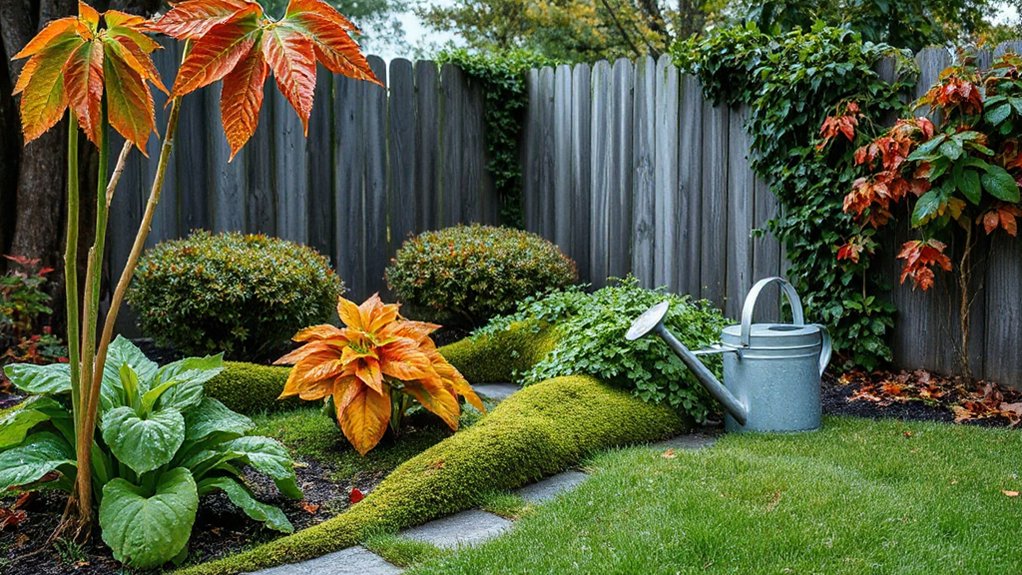
Autumn rain and cooler air change how you water your garden, so you conserve moisture without encouraging disease. In cool, wet conditions, you tighten your approach: assess soil moisture levels rather than defaulting to daily irrigation.
Start with an irrigation schedule that prioritizes deep, infrequent watering, letting soil moisture recover between sessions. Use a slow, soaker approach to dampen the root zone rather than surface spray, which can foster fungal issues.
Water early in the day to reduce leaf wetness overnight. Monitor rainfall and adjust, resisting the urge to overwater when rainfall is generous.
Target newly planted roots and evergreen bedding first, then pause watering if the soil is naturally moist. Maintain consistency; precision now saves effort later.
Essential Autumn Tools and Materials for UK Gardens
Equipped for changeable UK weather, autumn gardening hinges on a focused kit of tools and trusted materials. You’ll rely on sturdy pruners, a sharp hori-hori knife, and a durable hand trowel to shape beds and tidy chorus of fallen leaves.
A robust garden fork, a rake with a wide head, and a pair of puncture-resistant gloves complete the basics, ensuring efficiency as days shorten.
For materials, stock quality compost, leaf mulch, and weatherproof sealants to protect wooden features. Don’t neglect garden furniture and outdoor lighting, chosen for weather resistance and aesthetic impact.
These elements empower consistent progress, prevent damage, and keep your outdoor spaces inviting as autumn fades.
Quick-Start Autumn Routines for a Strong Finish
Start by pruning for strong roots to give your plants a sturdy start. Then set up bare-root plantings now so they can establish quickly as cooler days arrive.
Prepare soil efficiently—feed, loosen, and mulch in one streamlined move to support rapid root growth.
These quick routines keep your autumn garden cohesive and ready for a robust finish through the season.
Prune For Strong Roots
Healthy roots start with targeted pruning now, so you can build a sturdy foundation before winter. By cutting back dead wood and shaping branches, you encourage energy toward root growth, not top-heavy canopies. This targeted pruning supports root strengthening and soil stabilization, helping your garden weather the season’s pressure.
Focus on removing damaged tissue first, then thin crowded growth to improve airflow and nutrient uptake. Leave a balanced, open structure that invites sun and microbes to work underground.
- Target deadwood and prune back weakly attached growth to redirect energy downward
- Thin crowded branches to improve airflow and soil contact for better rooting
- Monitor aftercare: water evenly, mulch lightly, and push root-strengthening materials into the soil
Practical, precise actions now yield resilient roots come spring.
Plant Bare Root Now
Bare root plants slip into the ground now to establish quickly and reliably, so you should loosen the soil, set roots shallowly, and firm it gently around them.
When you plant bare root stock, handle with care to avoid root drying. Inspect for obvious damage, then trim rough edges with clean cuts to encourage vigorous growth.
Position crowns at soil level to prevent burial or exposure, and spread roots evenly to avoid curling.
Water deeply after planting and mulch lightly to conserve moisture without girdling roots.
For the best results, practice bare root planting soon after purchase, with minimal delay between excavation and placement.
Consider root pruning only if you detect crowded or tail-like roots; remove only the weakest, to promote balanced development.
Prepare Soil Quickly
As autumn slows the growing pace, you’ll want your soil ready for a strong finish. Quick soil preparation keeps borders tidy and beds primed for spring. Focus on structure, drainage, and nutrient balance to maximize next-season results. Wind your approach around composting techniques and precise amendments, not heavy disturbance.
Keep operations efficient: surface rake, light cultivation, and a thin top-dress of quality compost to feed soil life. This approach protects beneficial organisms while accelerating nutrient availability, so seeds and roots plunge in confidently when needed.
- Test and amend with targeted nutrients for your soil type
- Apply composting techniques to improve structure and moisture retention
- Mulch lightly to suppress weeds and conserve warmth
Frequently Asked Questions
Can Autumn Gardening Help Reduce Next Spring Weed Loads?
Autumn gardening can reduce next spring weed loads: you’ll mulch, compost, and cover beds, suppressing seeds. Focus on composting benefits and pest prevention, and you’ll create a tidy, resilient garden that resists invasives while you plan for spring.
Should I Prune Evergreens in Autumn for Winter Health?
Yes, you should prune evergreens in autumn for winter health. Evergreens pruning now strengthens structure and resilience; you’ll enjoy a sturdier form and cleaner beds. Remember: light pruning, avoid late-season flushes, and monitor for winter-damage signs.
How Will Daylight Hours Influence Autumn Planting Timing?
Daylight hours slow you down, so plan with Seasonal sunlight in mind and adjust your planting schedule accordingly; you’ll optimize root establishment, spacing, and color payoff as days shorten, guiding your garden’s autumn shift with confident, aesthetic practicality.
Are There Autumn Tasks Suited for Small Urban Spaces?
Yes—autumn tasks suit small urban spaces. You’ll master container gardening and urban composting, turning scarce sunlight into beauty. You plant, prune, and layer with intention, letting harvests symbolize renewal as your balcony becomes a living, practical retreat.
Is Mulch Alone Enough for Winter Soil Protection?
No, mulch alone isn’t enough for winter soil protection; you need to maintain soil moisture and add organic matter. Keep soil moisture stable, and incorporate organic matter to improve structure, resilience, and nutrient availability for cold months.
Conclusion
Autumn is your chance, your charge, your canvas. Plan, plant, prune, and protect with purpose. Refresh soil, stock bulbs, divide perennials, sow hardy annuals, and mulch with intention. Feed wisely, water thoughtfully, monitor pests, and tidy beds for a clean shift. Embrace the slowing tempo, yet maintain momentum. Preserve colour, structure, and health by sequencing tasks, timing actions, and tightening routines. Leave winter-ready roots, leaves, and lyrical borders, and let your garden grow resilient, radiant, and ready.