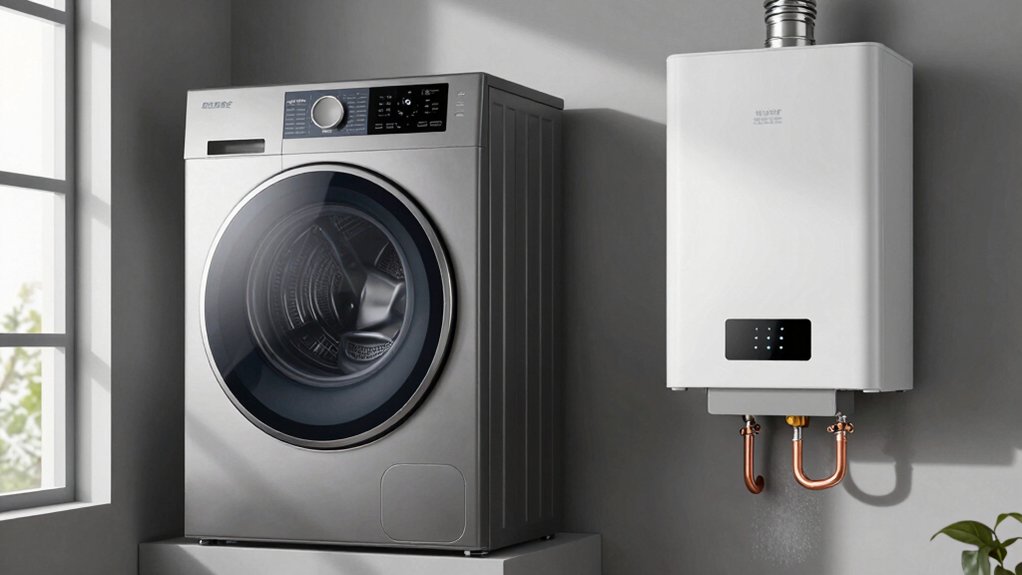
Heat pump dryers and water heaters use a refrigerant cycle to move ambient heat, delivering higher efficiency than traditional electric or gas units. You’ll see lower operating costs, reduced emissions, and longer system lifespans, especially in moderate climates with steady loads. Properly sized, installed, and vented units maximize payback, with considerations for space, noise, and maintenance. Combined upgrades can amplify savings by recapturing heat. If you keep going, you’ll uncover how to choose and install them effectively.
Do You Need a Heat Pump Dryer or Water Heater? Benefits and When It Pays Off
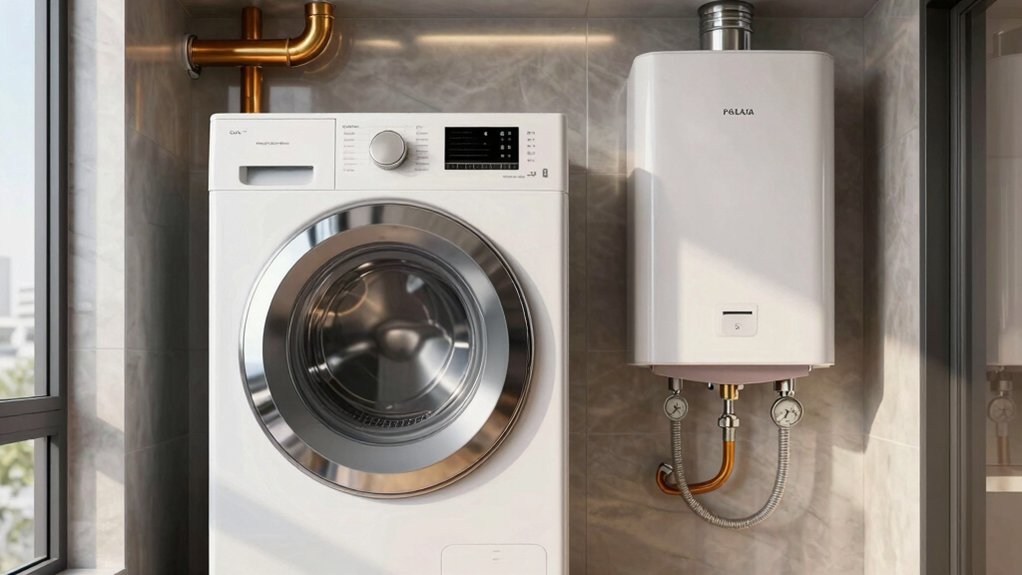
Choosing between a heat pump dryer or a heat pump water heater hinges on your goals: maximize energy efficiency, reduce operating costs, and minimize environmental impact. You’ll weigh the core benefits: energy savings from heat exchange efficiency, and environmental benefits from lower emissions relative to conventional electromechanical units.
A heat pump dryer excels when you run frequent loads, offering lower annual energy use with gentler temperatures and shorter dryer cycles adjusted to fabric.
A heat pump water heater targets daily hot-water demand, delivering high efficiency for showers, laundry, and sinks, especially in households with high hot-water use.
Consider space, installation costs, and maintenance requirements. In short, choose based on where you consume the most energy and how you value ongoing savings.
Heat Pumps vs Conventional Systems: A Quick Side-by-Side Comparison
Heat pumps deliver energy efficiency by moving heat rather than generating it, so they typically use less electricity than conventional systems for similar heating loads. In a quick side-by-side, you see higher energy savings with heat pumps under comparable climates, especially where loads are moderate and temperatures don’t plummet.
Conventional systems rely on resistive or combustion-based heating, which spikes energy use and operating costs. Heat pumps transfer ambient heat, delivering consistent comfort with lower input power, though performance dips in extreme cold without supplemental support.
Environmental impact favors heat pumps due to reduced fossil-fuel combustion and lower emissions per unit of heat delivered. Initial costs may be higher, but rebates and longer lifespans improve total cost of ownership.
Consider climate suitability, efficiency ratings, and maintenance needs when comparing.
How Heat Pump Technology Works in Dryers and Water Heaters
Heat pump technology in dryers and water heaters works by moving heat rather than generating it directly. You rely on a sealed refrigerant cycle that absorbs energy from the surroundings, then concentrates it for reuse. The cycle includes a compressor, condenser, evaporator, and expansion device, coordinating phase changes to transfer heat efficiently.
In dryers, the refrigerant removes latent moisture and recycles the heat to warm incoming air, reducing energy loss. In water heaters, it extracts ambient heat from the air or a secondary source and deposits it into water, lowering operating costs.
You’ll notice high coefficient of performance because energy transfer, not direct heating, dominates. System controls modulate pressure and flow to optimize refrigerant state changes, ensuring safe, continuous operation and predictable efficiency gains.
What Efficiency Metrics to Compare, Plus Capacity and Noise
When you compare heat pump dryers and water heaters, start with efficiency metrics that reflect real operating costs, such as COP, EER, and annualized energy use. Consider capacity and noise together, since size and sound impact daily practicality and siting decisions, not just sticker numbers.
Finally, weigh upfront costs against long-term savings, acknowledging how efficiency, capacity, and noise affect total cost of ownership.
Efficiency Metrics to Compare
Efficient comparison starts with the right metrics: energy consumption per cycle, energy factor or energy efficiency ratio, and annual energy use, all expressed in consistent units.
You’ll want to compare dryers and water heaters on these metrics to quantify performance across models. Energy consumption per cycle shows how much energy each operation costs, while the energy factor (EF) or energy efficiency ratio (EER) translates that cost into usable output per energy unit.
Annual energy use converts intermittent performance into a total yearly footprint you can budget. Report results in the same unit system to avoid misinterpretation.
Favor lower energy per cycle and higher EF/EER, as they indicate energy savings and reduced environmental impact, while maintaining required functionality and reliability.
Focus on consistent testing conditions and transparent labeling.
Capacity and Noise Considerations
You’ve seen how to quantify efficiency; now you’ll want to match that analysis with capacity and noise considerations.
In practice, evaluate capacity as a function of your household load, ensuring the unit’s throughput meets daily demand without oversizing for energy penalties. Look at capacity constraints linked to climate, space, and duty cycles; peak-hour loads may force longer runtimes or staged operation.
Noise levels matter where equipment sits near living areas or bedrooms, so compare decibel ranges at typical use and during startup. Consider vibration isolators and mounting to minimize transmission.
Efficiency labels don’t replace real-world fit, so confirm that the heat pump dryer or water heater maintains steady performance under varying water temperatures and ambient conditions.
Pair capacity expectations with practical space and installation limits for reliable operation.
Cost and Long-Term Savings
Cost and long-term savings hinge on choosing the right efficiency metrics and understanding how capacity and noise affect total cost of ownership. You should compare metrics like COP, EER, and annual energy consumption over typical usage profiles, not just upfront price.
Consider capacity matches to your load; oversized units raise idle energy use, while undersized units prolong cycles and shorten life.
Noise levels matter for comfort and possible placement constraints, influencing long-term satisfaction and usage patterns.
Include maintenance costs, filter access, and expected service intervals in total ownership.
Factor energy rebates into the payback period to improve apparent ROI, and weigh environmental impact alongside operating cost.
A thoughtful assessment aligns equipment choice with your home’s demand, reducing emissions and elevating efficiency over time.
Space, Venting, and Installation Footprint You Should Plan For
When planning space for heat pump dryers and water heaters, start with a precise footprint that accommodates clearance for service access, ventilation, and intake/exhaust routing. Your installation footprint should include dedicated floor space, wall clearance, and room for front-loading doors or access panels.
Consider ceiling height and any nearby cabinetry, plumbing, or electrical conduits that could constrain installation. Venting requirements for heat pump units differ from conventional models; ensure pathways allow condensate drainage and reduce backflow, while maintaining air intake and exhaust separation.
Plan for vibration isolation where needed, and verify surface rigidity to support equipment weight. Confirm clear access to shutoffs, filters, and service ports.
Finally, document required clearances for future maintenance and potential expansion.
Real-World Savings: Climate, Usage, and Payback Time
Real-world savings from heat pump dryers and water heaters hinge on climate, usage patterns, and payback timelines. In milder, humid regions, you’ll see faster payback due to lower input energy and reduced operating hours for auxiliary heating.
Higher latent heat demands, frequent rapid cycles, or oversized units can erode efficiency gains, extending payback but still delivering long-term energy reductions. Your actual savings depend on your typical load sizes, cycle frequency, and the electricity tariff structure.
Monitor seasonal usage to gauge climate impact on performance; consider demand charges and time-of-use rates. Look for available energy rebates to shorten payback and justify upfront costs.
Document baseline energy use, then track post-install consumption to verify real gains.
Choosing Between a Heat Pump Dryer, Water Heater, or Both
You’ll weigh the efficiency trade-offs among heat pump dryers, water heaters, or both, focusing on practical performance and operating costs.
Consider space and installation needs, balancing room for equipment with system integration and venting or plumbing constraints.
Finally, review the cost and payback timeline to determine which option best aligns with your budget and long-term energy goals.
Efficiency Trade-Offs Compared
Heat pump dryers and water heaters offer different efficiency advantages, but choosing between them—or using both—depends on how you value energy use, operating cost, and heat recapture opportunities. You assess trade-offs across system roles, peak demand, and maintenance needs to optimize total energy performance.
1) Energy consumption patterns: dryers tie into ambient heat reuse, heaters influence storage efficiency.
2) Operating cost trajectory: upfront price versus long-term savings, maintenance frequency, and replacement cycles.
3) Environmental impact: refrigerant choices, leak risk, and lifecycle emissions of each unit.
4) Heat recapture synergy: combining devices can lower net heat loss and improve overall thermal economy.
A targeted mix lets you align with your home’s load profile and utility incentives.
Space and Installation Needs
Space and installation requirements shape whether you choose a heat pump dryer, a water heater, or both. Your space determines unit footprint, clearance, and ventilation planning.
Heat pump dryers require proper airflow management and stable surface support. They often fit into existing laundry zones but need room for condenser access and condensate drainage.
Water heaters need appropriate height, access to draft-free ventilation if vented, and cold-water/hot-water hookups.
Assess electrical capacity early: dryers typically demand 220–240V circuits, while most storage water heaters use 120V or 240V depending on size.
Consider location constraints, such as noise tolerance and proximity to living spaces.
Venting requirements and electrical connections must align with manufacturer specifications and local codes to ensure safe operation and reliable performance.
Plan for future servicing access and code-compliant installation.
Cost and Payback Timeline
A cost and payback timeline matters because heat pump dryers and water heaters differ in purchase price, operating costs, and service life, influencing overall return on investment. You’ll compare upfront installation costs against long-term energy savings to gauge which option fits your budget and goals.
Consider these drivers:
1) Purchase price and labor for each unit
2) Energy savings per year versus baseline
3) Expected service life and replacement cycles
4) Maintenance, repair, and potential rebates or incentives
Together, these factors shape payback periods and total cost of ownership. If you need simultaneous installation, synergy can shorten payback through shared labor and reduced energy draw.
In most homes, a heat pump water heater offers stronger energy savings; a heat pump dryer adds convenience with moderate payback. Evaluate both to optimize overall energy efficiency.
Maintenance, Servicing, and Longevity Tips
Regular maintenance is essential to keep heat pump dryers and water heaters operating efficiently and extending their lifespan; start with a simple, proactive routine to prevent performance decline and costly repairs.
Schedule quarterly inspections to verify refrigerant levels, tighten electrical connections, and clean coils or filters.
Replace air filters on dryers and ensure proper drainage in condensate lines to avoid frost or overflow issues.
Keep outdoor units clear of debris and ensure proper venting to sustain ideal heat exchange.
Monitor inverter or compressor performance for unusual noises or cycling, and run calibration tests after service.
Document all interventions for system upgrades and future warranty needs.
Consistent servicing reduces unexpected downtime and delivers steady energy savings through maintained efficiency and longer equipment life.
Conclusion
Adopting heat pump dryers and water heaters can cut operating costs and boost overall home efficiency. Evaluate climate, usage, and upfront payback to decide if one or both units fit your needs. Compare efficiency metrics, noise, and footprint, and guarantee proper ventilation and installation. Maintenance is simpler than you think, but longevity hinges on regular servicing. In short, act quickly but calculate carefully—“fast in planning, slow in spending”—to maximize returns without compromising comfort.