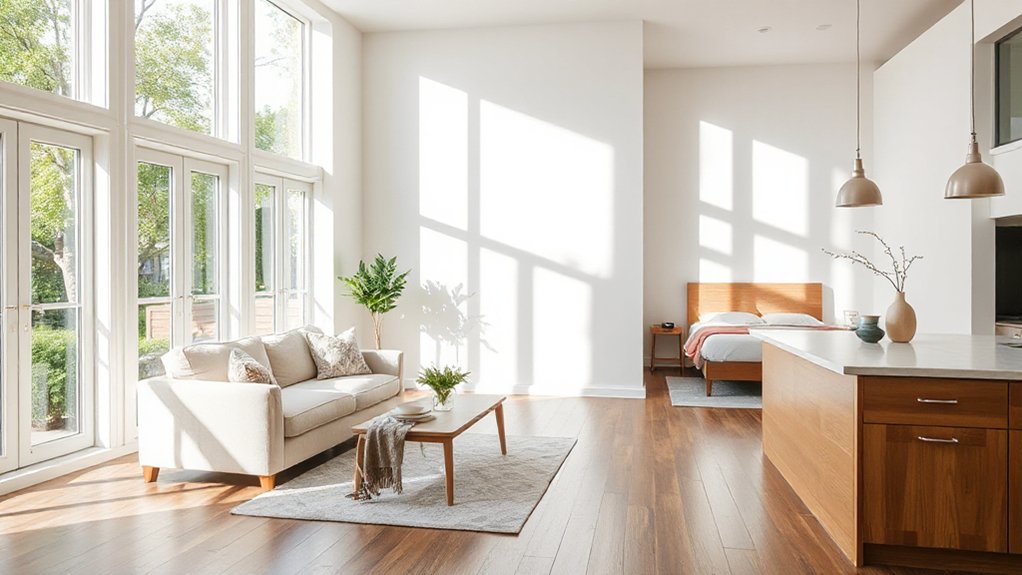
To prepare a property for sale in a competitive market, start with buyer-centered goals: identify your ideal buyers, set a clear price range, and map a responsive timeline. Boost curb appeal on a realistic budget with exterior cleaning, fresh paint on shutters, tidy landscaping, and improved lighting. Declutter to create airy, neutral spaces and stage areas to highlight flow and light. Price strategically using comps and psychology, then craft a compelling narrative with vivid visuals and floor plans—more tactics await you.
Identify Buyer Priorities and Set Clear Selling Goals
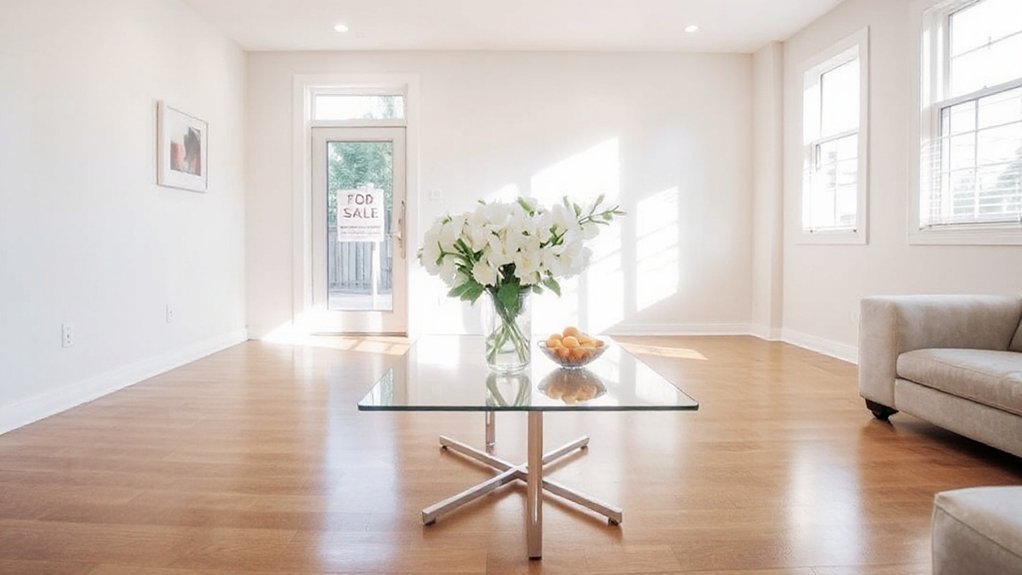
To identify buyer priorities and set clear selling goals, start by mapping who your ideal buyers are and what they value most—location, condition, price, and move-in readiness top the list.
You’ll use Market research to illuminate these preferences, then translate findings into concrete targets.
Define your selling goals with precision: desired price range, timeline, and acceptable concession thresholds.
Adopt a Seller mindset that prioritizes transparency, data-driven decisions, and swift responses to buyer signals.
Visualize your property through the buyer’s eye—highlight strongest attributes, address notable gaps, and stage scenes that demonstrate lifestyle fit.
Craft a messaging strategy that aligns price, condition, and timing with observed demand, ensuring every action nudges you closer to your optimized sale outcome.
Boost Curb Appeal on a Realistic Budget
Strengthen your home’s first impression without breaking the bank by targeting high-impact curb upgrades that pay off in buyer interest. You’ll maximize impact with a focused plan: start with exterior cleaning to reveal true color and texture, then address landscaping upgrades that frame your facade.
Pressure-wash siding, windows, and porch surfaces to erase grime and mildew, and refresh shutters with a clean coat of paint. Define planting zones that require minimal maintenance but deliver maximum color, using evergreens for structure and seasonal perennials for pops of interest.
Replace tired mulch and tidy edging to sharpen lines. Repair peeling trim, update house numbers, and ensure pathway lighting guides visitors. The result is a cohesive, inviting approach that signals meticulous upkeep and value to buyers.
Declutter, Stage, and Create Buyer-Friendly Spaces
Could your rooms feel larger and more inviting with a simple, strategic cleanup? Yes. Start with a focused purge: remove excess furniture, personal items, and visible clutter that distracts buyers from architecture and flow. Emphasize clean lines and negative space to showcase room dimensions.
Next, apply home organization principles: group related items in closed storage, keep surfaces clear, and use uniform baskets or boxes to reduce visual chaos.
Then stage with purposeful furniture arrangement: center seating to anchor conversations, ensure clear traffic paths, and place focal points (fireplace, window view) as visual anchors.
Choose neutral tones, add subtle texture, and debut a cohesive palette across rooms.
Finally, photograph spaces with daylight, reflecting uncluttered, buyer-friendly energy that invites imaginative living.
Price Your Home Strategically for a Competitive Market

With your spaces decluttered and staged for impact, pricing becomes the next strategic lever. You position value through precise, data-backed decisions. Begin with a robust market analysis: compare recent closed sales, active listings, and days-on-market in your neighborhood, noting price per square foot and condition-driven gaps.
Translate insights into a competitive price range rather than a single number. Employ pricing strategies like психологical pricing (competitive anchor points) and tiered pricing to test demand without undercutting value.
Consider the impact of calcium-free remodels or cosmetic upgrades on perceived worth, then calibrate speed-to-sale expectations. Set a clean, justified list price, document your rationale, and be prepared to adjust promptly if traction stalls.
Your goal: attract strong offers, create momentum, and maximize net proceeds.
Market Your Home With a Clear Narrative
A clear narrative frames your home as a solved problem and a desirable lifestyle, not just a listing. To market with impact, knit facts into a story buyers feel compelled to finish.
Describe spaces with visuals that spark imagination: where mornings unfold with sun on polished floors, evenings unfold in a quiet, organized kitchen, and closets that feel endlessly usable.
Tie features to outcomes, like low maintenance or flexible work zones, and show how the home fits real routines.
Establish a pricing strategy that supports your narrative—clear, justified, and aligned with recent comps.
Present negotiation tactics transparently, signaling responsiveness and fairness.
Use visuals, captions, and floor plans to guide perception, not guesswork, keeping every asset purposeful and easy to verify.
Frequently Asked Questions
How Long Should I Expect to Wait for Offers After Listing?
Expect offers within days to a couple of weeks, depending on pricing strategy and market demand. You’ll attract more buyers with strong staging techniques, compelling visuals, and timely showings, while adjusting pricing accordingly to maintain competitive momentum.
What Common Negotiating Mistakes Should Sellers Avoid?
You avoid common negotiating mistakes by maintaining pricing strategy discipline and emotional detachment; you stay firm on offers, respond promptly, and avoid overreacting, using visuals to justify value while protecting your bottom line.
Should I Invest in Home Improvements Before Listing?
Metaphor: invest with intent, stacking value like a well-tuned showroom. Yes—focus on staging strategies and curb appeal; minor upgrades yield bigger returns. You’ll attract buyers quicker, see higher offers, and simplify the listing process.
How Do Appraisal Contingencies Impact Offers in a Hot Market?
Appraisal contingencies shape offers by signaling risk; you’ll see fewer waivers in hot markets as buyers fear appraisal gaps. Trust the appraisal process, demand contingency removal only with solid, verified comps, and clearly document value to strengthen your position.
What Tax Implications Come With Selling a Property Quickly?
Selling quickly may trigger capital gains taxes; plan ahead to minimize. You should explore tax planning strategies, like timing and exemptions, and assess how costs roll into basis. Stay visuals-driven: track dates, amounts, and applicable rates meticulously.
Conclusion
You’ve aligned goals with buyer priorities, boosted curb appeal, and created buyer-friendly spaces, all while pricing strategically and telling a clear, compelling story. If a skeptic argues that improvements aren’t worth it in a competitive market, remember: even small, well-executed updates can lift perceived value, shorten days on market, and spark stronger offers. With a visuals-driven approach, you’ll present a property that feels instantly ready to buy and hard to resist.