Budget-friendly interior updates for first-time buyers are all about quick, high-impact wins. Start with lighting: warm LEDs, layered lamps, and mirrors to brighten rooms without big renovations. Refresh walls with budget-friendly paint and cohesive art or DIY canvases. Use smart, multipurpose furniture and low-profile pieces to widen spaces, then add textiles in a repeating core color for cohesion. Upcycle what you have—new hardware, painted tables, and light upholstery can transform a room. Curious what’s next? There’s more practical guidance ahead.
Quick, High-Impact Budget-Friendly Upgrades
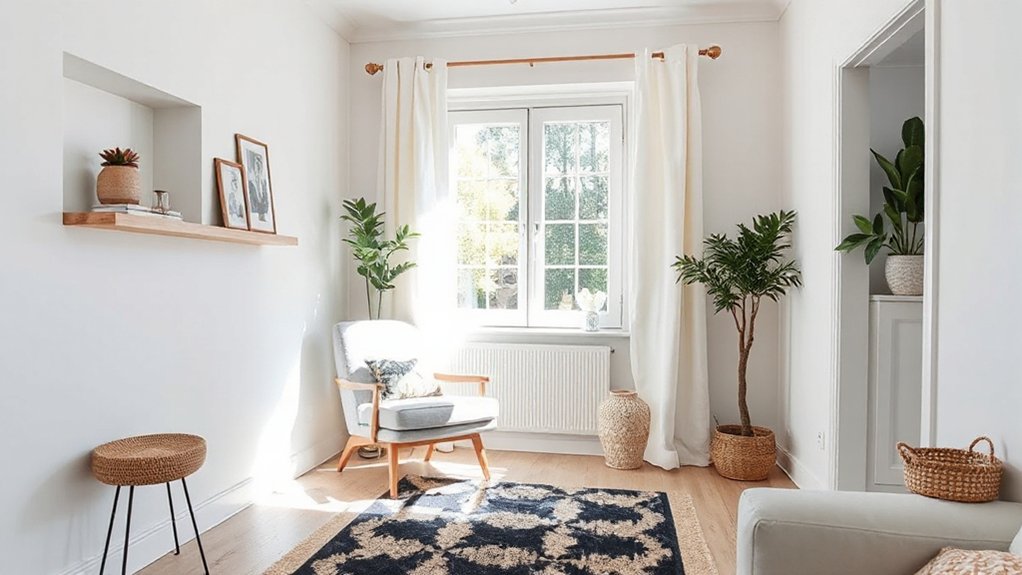
If you’re aiming for instant impact without draining your budget, start with a few strategic upgrades that don’t require a full remodel. You’ll boost perception and function by prioritizing lighting, layout, and accents.
Swap old bulbs for cool or warm LEDs to shift mood quickly, then layer lighting with floor and table lamps to reduce harsh shadows.
Clear clutter and reorient furniture to improve flow, using Feng shui principles to create balanced zones for work, rest, and social spaces.
Introduce color psychology through small, purposeful choices—accent pillows, textiles, and art that evoke calm or energy without repainting.
Update hardware on cabinets and doors for a fresh feel at low cost.
Choose mirrors to amplify light.
Keep costs transparent, results tangible, and scalable for future updates.
Paint Walls Like a Pro on a Budget
Painting walls is one of the most cost-effective upgrades you can tackle right now. With a thoughtful approach, you’ll avoid overbuying and still achieve a polished result. Consider how color psychology shapes mood in each room, and pick hues that support function—calm bedrooms, energized kitchens, focused home offices.
Choose a paint finish that matches use: matte for walls, satin for high-traffic areas, and eggshell for living spaces that balance sheen and washability.
- Prep smart: repair dents, sand smooth, and wipe dust for even coverage.
- Test samples on large swatches, observe at different times of day.
- Cut in clean lines, roll in even coats, and let proper dry time guide touch-ups.
Lighting That Elevates Decor Without Breaking the Bank
You can elevate your space with budget-friendly lighting that makes rooms feel larger and more inviting. Start with versatile, energy-efficient fixtures and strategic placement to boost ambiance without overspending.
We’ll explore practical ideas that maximize impact while keeping costs under control.
Budget-Friendly Lighting Ideas
Want to elevate your space without emptying your wallet? You can, with budget-friendly lighting that feels thoughtful and intentional. Prioritize practical upgrades that boost natural illumination and create an ambient glow without pricey fixtures.
- Swap to warm LED bulbs at 2700–3000K for a natural, inviting feel that complements existing decor.
- Use affordable floor or table lamps with adjustable heads to direct light where you need it most.
- Add sheer window coverings and strategical wall mirrors to amplify daylight without electrical costs.
Practical placement matters: layer light sources, reduce glare, and keep cords hidden for a clean look. With these choices, you’ll enjoy brighter rooms that look polished, not patched together.
Elevate Ambiance On A Budget
A well-lit space instantly feels more inviting, affordable upgrades included. You don’t need a designer to boost ambiance on a budget—start with a layered lighting plan: ambient, task, and accent.
Swap harsh overheads for warm, dimmable bulbs and add a stylish floor or table lamp to soften corners. Use mirrors to reflect light and make rooms feel larger without extra fixtures.
Choose affordable LED options that run cool and long-lasting, reducing energy costs while boosting home security by keeping areas bright. Accent lighting highlights art or architectural features, creating depth without clutter.
For travelers who crave budget travel efficiencies, packable and interchangeable shades save money and space. Finally, wire placement should stay simple; avoid overloading outlets and monitor heat.
Textiles That Tie Rooms Together on a Budget
Textiles are the easiest way to knit a cohesive look across rooms without a big investment. You’ll harness simple fabrics to create rhythm, not repetition, through color and texture. Focus on lightweight pieces for easy switching when mood shifts or seasons change.
Textile layering adds depth without clutter, and color coordination keeps every space feeling intentional rather than patchy. Use a shared palette across accessories, curtains, and throws to unify your rooms with minimal fuss.
- Pick a core color and repeat it in at least three textiles to tie spaces together.
- Layer different textures—linen, cotton, faux fur—in complementary tones for dimension.
- Swap one accent item per season to refresh without buying wholesale.
This approach stays practical, polished, and resourceful while staying within budget.
Smart Shopping for Budget Decor Finds
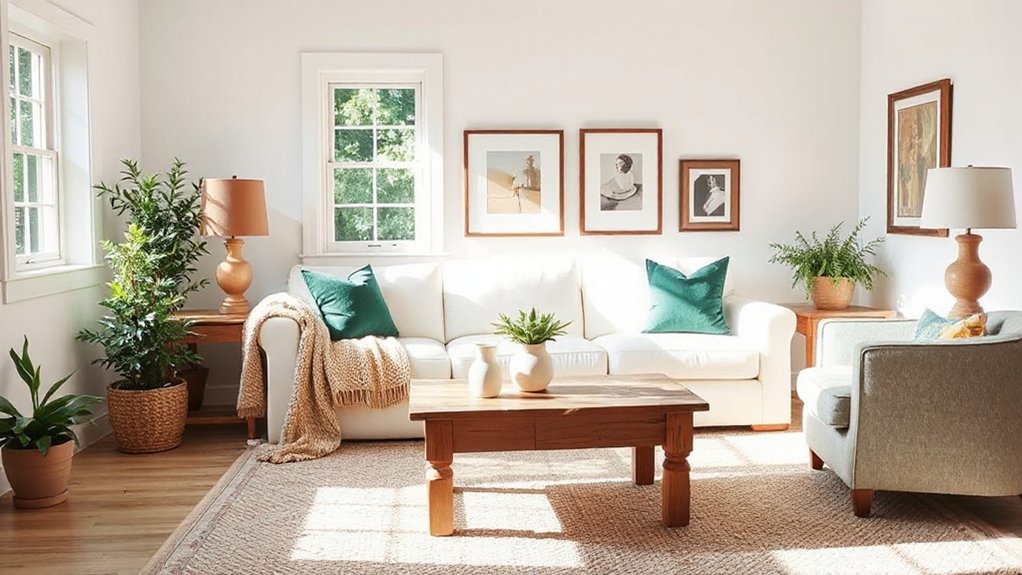
Smart shopping for budget décor means knowing where to look, when to buy, and how to spot real value. You’ll build a functional palette by studying color schemes in showrooms and online catalogs, then translating the best combinations to your space.
Prioritize versatile pieces that mix and match; this reduces waste and expands arrangements over time. When you shop, compare price-per-use: does a hoodie-like throw become a focal accent or a layered texture? Pay attention to finish quality, not just price tags.
For furniture placement, sketch a quick layout and test traffic flow before purchasing. Consider secondhand or outlet finds that clean up well with a fresh coat of paint.
Track seasonal sales and set price alerts to maximize every dollar.
Small Furniture Swaps for a Fresh Look
If you want an instant refresh without a full redecorating spree, swap in a few small furniture pieces that change the room’s scale and how you move through it. Small furniture swaps reshape flow, create focal points, and refresh vibe without a full overhaul. Think lightweight or multifunctional pieces you can mix and match with existing items.
Add vintage accents to anchor the look, and place a bold statement art where you’ll notice it first.
- Swap a compact sofa for a low-profile loveseat to open sightlines.
- Introduce a slim console or chic sideboard to redefine traffic paths.
- Introduce a pouf or coffee table with hidden storage to keep surfaces clear.
DIY Décor Projects Anyone Can Tackle
You can start with budget-friendly crafting ideas that deliver big impact without breaking the bank. Try simple paint and wall makeovers, upcycling everyday finds, and quick decor tweaks you can finish in a weekend.
These DIY projects are practical, affordable, and scalable to your space.
Budget-Friendly Crafting Ideas
Getting creative on a budget is easier than you think: these DIY decor ideas are simple, affordable, and doable for first‑time buyers.
You’ll transform spaces with practical projects that don’t overwhelm your wallet. Focus on small, high‑impact touches you can finish in a weekend, and pick options that scale as you settle in.
1) Create a gallery wall using thrifted frames and vintage artwork, swapping in new pieces as you discover them.
2) Build a trio of indoor plants in mismatched containers to add texture and life without breaking the bank.
3) Refresh a coffee table with a fabric runner and a few curated accessories for an instant, polished look.
These ideas emphasize function, style, and budget discipline, helping you craft a welcoming home.
Paint and Wall Makeovers
Paint is one of the quickest, most affordable ways to transform a space, and you don’t need to be a pro to pull it off. You’ll start with a focused color palette, selecting a dominant hue for walls and two accent shades for trim, furniture, or textiles.
Color psychology matters: cooler tones feel calming, warmer tones energize a room, and neutrals create versatility. Before you buy, test swatches on large poster boards placed at eye level in different lighting.
Prep surfaces, prime where needed, and use painter’s tape to protect edges. For impact on a budget, swap out small wall art or create DIY canvases that reflect your style.
Finish with a matte or satin sheen for easier cleaning, and you’ll enjoy a refreshed, cohesive space.
Upcycling Household Finds
- Paint a dated table a modern neutral, add new hardware, and pair with a chic glass top for a fresh, durable focal point.
- Sand and reupholster a neglected chair, then mix textures with a bold throw.
- Install new knobs on a thrifted dresser and swap out the legs for a lighter silhouette.
Layout and Accessories to Make Spaces Feel Bigger
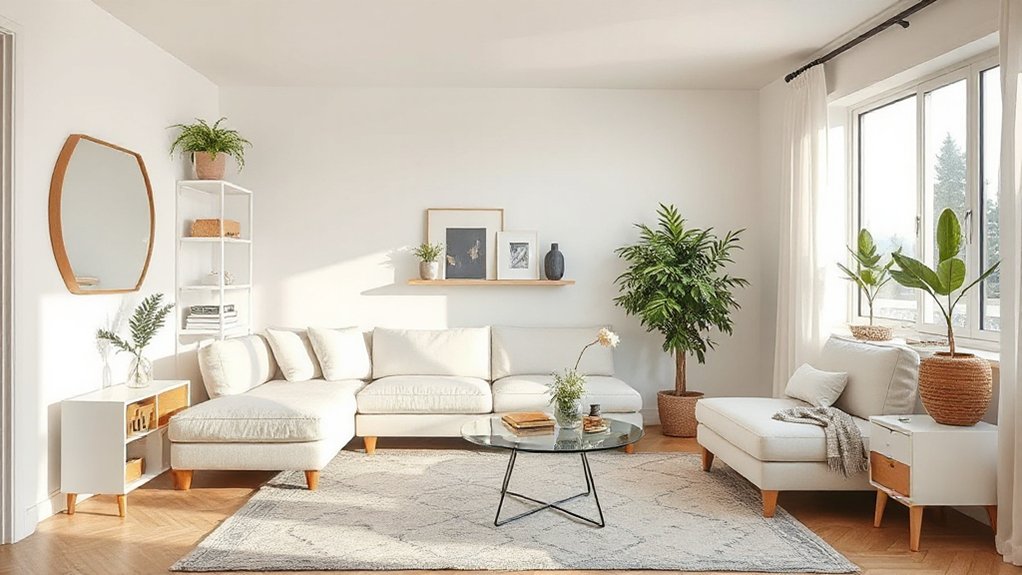
Clear sightlines and smart furniture choices can make small spaces feel instantly larger. You’ll optimize every inch by choosing low-profile pieces and avoiding bulky clutter.
Focus on open floor plans, letting natural light travel unimpeded, and use furniture placement to define zones without walls. Place sofas and chairs to anchor seating away from entry points, creating an open traffic flow.
Choose multipurpose furnishings—storage ottomans, nests, and slim consoles—that compress clutter while adding function. Use mirrors strategically to bounce light and visually expand walls.
Keep color cohesive and light; accents come from textiles and accessories rather than heavy furniture. Hang curtains near the ceiling to elongate windows, and use cohesive hardware and trim so gradual shifts feel seamless rather than segmented.
Small shifts compound into noticeably bigger-feeling spaces.
Maintenance and Longevity: Keeping Your Decor Fresh
Maintenance and longevity go hand in hand with smart buying and simple upkeep; by setting a practical care routine, your decor stays fresh longer. You’ll protect investments and avoid frequent replacements, boosting overall value. Focus on two core areas: furniture maintenance and paint durability, then build a simple schedule you’ll actually keep.
- Inspect and dust monthly, treating wood surfaces with a gentle cleaner and protective conditioner to extend life and prevent scratches.
- Touch up high-traffic areas routinely, using matching paint to preserve color integrity and minimize the need for full repaints.
- Plan quarterly reviews of fabrics and finishes, sealing or stabilizing as needed to reduce wear and preserve vibrancy over time.
Frequently Asked Questions
How Do I Prioritize Upgrades for Maximum Impact on Resale Value?
Prioritize high-ROI upgrades like kitchen refreshes and bathrooms, focusing on durable finishes and curb appeal. Choose investment strategies that align with your budget, and optimize renovation timing to minimize disruptions and maximize resale value. Plan, execute, evaluate results.
What Are the True Costs Behind Common Budget Renovations?
The true costs vary, but you’ll spend on basics like paint, lighting enhancements, and furniture placement tweaks; expect budgeting for quality bulbs, fixtures, and space planning. You’ll maximize impact while staying practical, polished, and resourceful throughout the process.
Which Paint Finishes Hide Imperfections Best on a Tight Budget?
You’ll notice that eggshell finishes hide smudges, but satin hides imperfections best for a tight budget. With 66% fewer coats, it speeds up paint application while improving Finish durability, so you save time and materials.
How Can I Measure Room Scale Before Buying Furniture?
To measure room scale before buying furniture, you’ll note Room dimensions and plan furniture placement by tracing walls, doors, and windows. Use a tape measure, then map diagonals and door swings to guarantee proper flow and fit.
Are There Affordable Eco-Friendly Decor Options Worth It?
Asking whether affordable eco-friendly decor is worth it? Yes, you’ll gain durability and health perks. Eco friendly materials and sustainable decor options save money long-term, because quality lasts, and you’ll reduce waste while designing a stylish, mindful space.
Conclusion
You’ve got the tools to transform your space without blowing your budget. Start small, think big picture, and keep a tight eye on panels, textiles, and lighting that punch above their price. Mix smart buys with a few DIY touches, and you’ll see rooms evolve fast. Treat maintenance like a habit, not a chore, so freshness sticks. Your home is a canvas—budget is the brush, and you’re the artist turning bits into a beautiful, cohesive whole. It’s a living, affordable canvas.