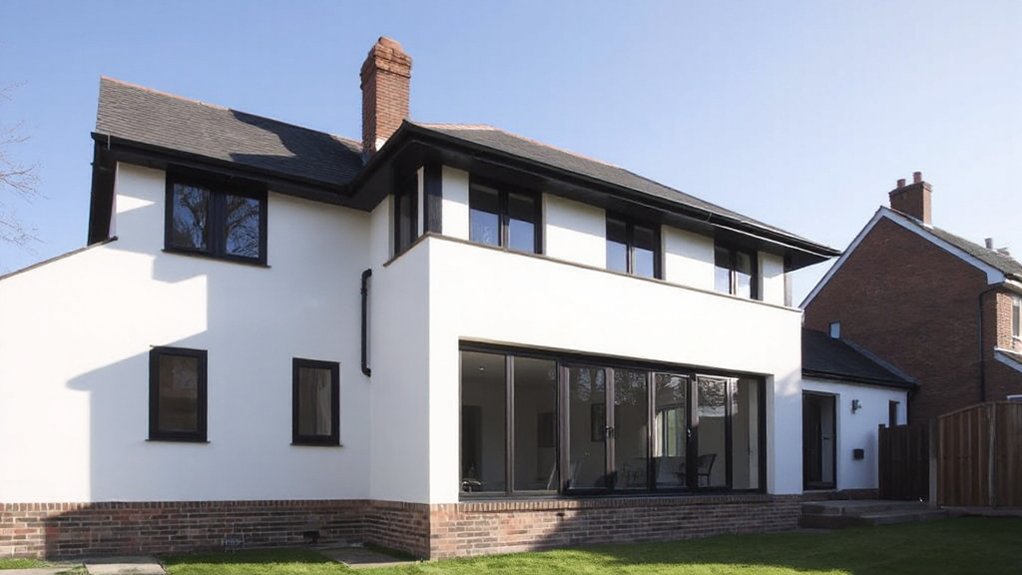
A double extension can lift your property’s value by increasing usable space in key areas like the kitchen, living room, and bedrooms, while keeping the style in line with the existing home. The worth hinges on design quality, location, market demand, and how well the project adds usable footprint. Landscaping, energy efficiency, and smart updates further boost appeal. The right approach offers a solid ROI, but the result isn’t guaranteed unless you align budget, builder quality, and buyer expectations—which you’ll need to confirm as you plan.
How Much Value Does a Double Extension Add?
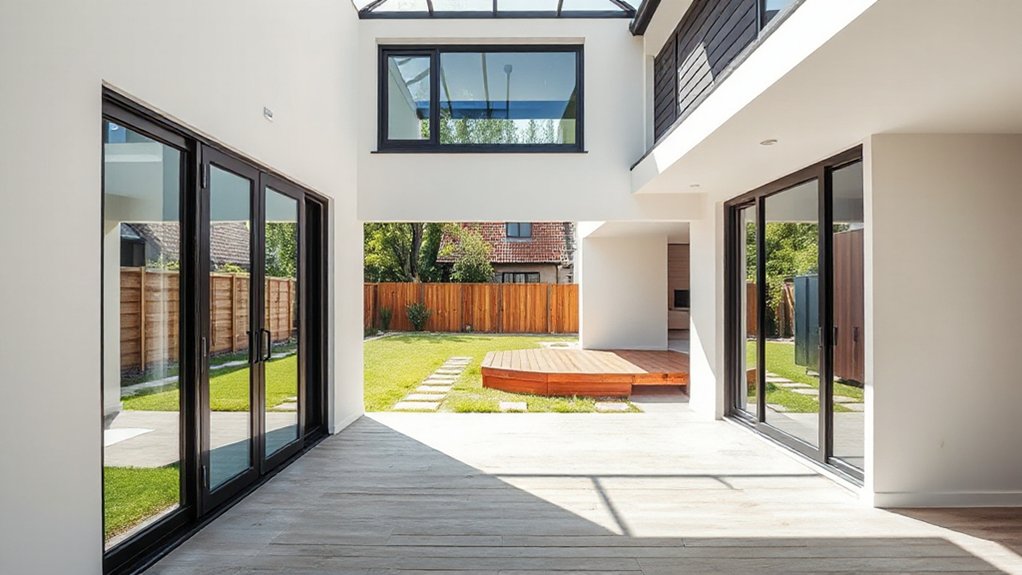
A double extension can add significant value, but the amount varies with design quality, location, and market demand. When you assess value, you quantify how space, light, and flow improve daily living and resale appeal.
A well-executed plan increases usable square footage, often boosting kitchen, living areas, and bedrooms, while preserving proportion with the existing façade.
Garden landscaping enhances curb appeal and outdoor usability, delivering incremental value that compounds with interior upgrades.
Smart home integration further elevates desirability by offering energy efficiency, security, and seamless control, which buyers increasingly expect.
To estimate impact, compare nearby sold prices for similar extensions, adjusting for finish quality, materials, and timing.
Avoid overbuilding; align scope with target market, neighborhood norms, and long-term maintenance considerations.
Key Value Drivers for Extensions
Space usability matters: improved kitchen access, dining room adjacency, or a multi-purpose living zone can reduce friction and boost utilization rates.
Durability and finish quality influence maintenance costs and perceived value, so choose durable materials and timeless interior decor that resist obsolescence.
Natural light, sightlines, and connection to outdoor areas affect comfort and desirability, especially when garden landscaping integrates with indoor spaces.
Structural flexibility matters too; a configurable layout supports future needs without major renovation.
Finally, energy performance, warranty coverage, and build quality anchor long-term value in buyer perception.
Baseline Value by Location: What Buyers Expect
Baseline value varies by location, reflecting buyer expectations for what and where an extension adds utility. In practice, location shapes perceived convenience, outdoor flow, and the return on exterior improvements. You’ll notice different premium signals across regions, driven by climate, lot size, and neighborhood norms. To align value, consider how the extension complements local lifestyles and construction standards.
- Landscaping upgrades heighten curb appeal in markets valuing outdoor living, especially where yards are scarce or seasonal windows are short.
- Smart home integration resonates in tech-forward areas, where buyers expect seamless control of lighting, climate, and security.
- Proximity to amenities and schools can amplify perceived utility, guiding buyers to value, or devalue, square footage versus functional footprint.
Size, Footprint, and Add-On Value
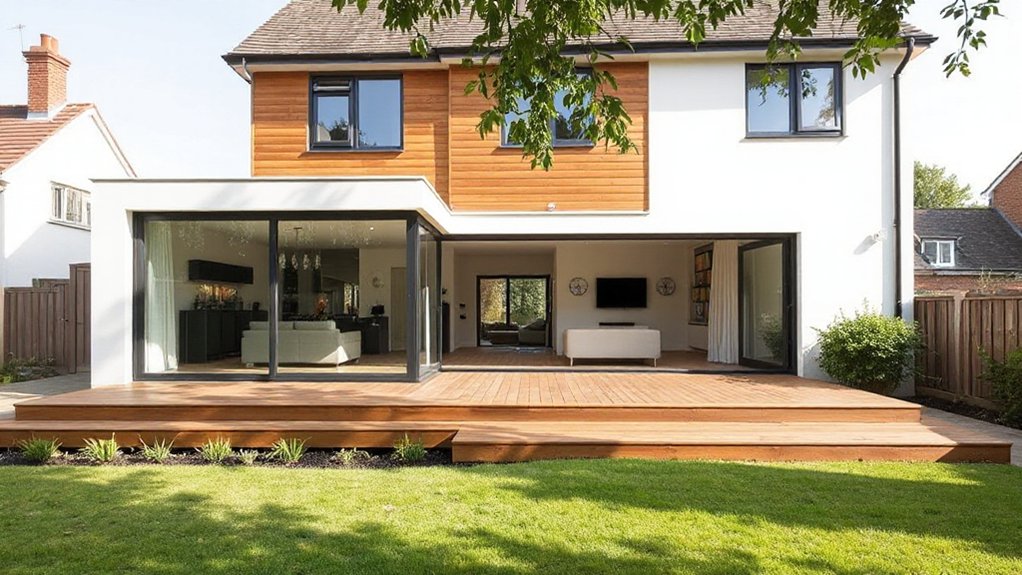
How do size and footprint translate into added value when you’re planning an extension? You assess volume gain, footprint alignment with site constraints, and incremental build costs.
Larger footprints yield more usable floor area, but diminishing returns appear if proportions skew awkwardly or bloat external envelopes. Target efficient layouts that maximize square footage without excessive perimeter. Consider structure, foundation, and insulation impacts, then relate them to resale value via comparable markets.
Interior lighting becomes a value multiplier when expanded space includes well-positioned glazing and daylight access; avoid glare and heat loss with proper shading.
Landscaping design complements size by framing the extension, guiding sightlines, and creating curb appeal. Keep design simple, scalable, and responsive to both current needs and maintenance realities.
Layout and Flow: Designing for Buyer Appeal
You’ll see how flow optimization guides traffic through key zones, reducing wasted steps and confusing shifts.
Space utilization enhancements create clear, usable areas that feel larger and more functional, improving everyday usability.
Buyer navigation simplicity ties these elements together, ensuring a logical path from entry to living spaces and back, with fewer decision points.
Flow Optimization Benefits
Flow optimization can boost buyer appeal by guiding movement through a home with clear, intuitive routes. You assess flow by tracing hallways, doors, and sightlines, ensuring spaces read as a cohesive sequence rather than isolated boxes. The result is a perception of efficiency, reduced friction, and easier furniture placement.
Consider how the entry progresses to living spaces, then to private zones, with sightlines that minimize backtracking.
- Clear transitions between zones speed decision-making and reduce buyer hesitation.
- Strategic corridors support natural gathering points, enhancing perceived space and usability.
- Consistent cues, including interior lighting, reinforce a logical path and elevate overall impression.
Key metrics: interior lighting quality and material durability influence perceived efficiency, wear tolerance, and long-term value.
Space Utilization Enhancements
Prioritize clear progressions between living, dining, and kitchen zones, ensuring that traffic paths remain unobstructed and intuitive. The design should balance open areas with defined nooks, fostering a sense of order rather than clutter.
Interior lighting plays a critical role by highlighting function zones and compensating for natural light gaps, improving perceived space.
Material durability matters, favoring finish choices that withstand frequent use without visible wear.
Plan for seasonal usage shifts, ensuring storage locations support everyday routines and reduce perceived overcrowding.
This approach yields efficient layouts that buyers interpret as practical value additions.
Buyer Navigation Simplicity
Efficient buyer navigation hinges on clear, intuitive pathways that guide visitors from room to room without confusion. You assess layout flow by tracing routes between key spaces, prioritizing logical progressions and accessible sightlines.
A straightforward plan reduces decision fatigue and accelerates engagement with core features, including garden privacy and color schemes, which should reinforce mood without clutter.
- Map primary paths: guarantee direct access from entry to living areas, kitchen, and outdoor spaces.
- Minimize decision points: limit doorways and anchors that redirect attention away from focal offerings.
- Highlight sequence: design a natural sequence that showcases privacy advantages and cohesive color schemes.
This approach yields measurable clarity, supporting faster appraisal and higher perceived value.
Light and Space: Maximizing Perceived Value
You’ll see how light drives space perception by aligning window placement, glazing quality, and interior finishes to maximize brightness without glare.
Balance brightness levels to create a sense of scale, making rooms feel larger and more usable.
This introduces the core points—how light quality and controlled brightness shape perceived value and space.
Light-Driven Space Perception
Light and space interact to shape how a room feels and reads. You’ll see how daylight, reflections, and material choices guide perception, enabling more precise value judgments about a double extension. This isn’t mood alone; it’s measurable impact on usability and appeal.
- Daylight distribution highlights focal points, boosting perceived room size and functional clarity.
- Material finishes and color temperature align with interior decor goals, influencing perceived quality and finish.
- Spatial sequencing connects outdoor views to indoor function, aiding garden landscaping integration and coherence.
You apply these principles by calibrating glazing, blinds, and transitional thresholds to maximize sensation of openness while maintaining energy efficiency. The outcome is a space that reads larger and more intentional, with clear performance benefits for occupants.
Scale Through Brightness Balance
Brightness balance defines how scale reads within a room: higher light levels create perceived openness, while intentional contrast keeps details legible and proportion clear. You assess scale by aligning brightness with architectural cues, not by overpowering them.
Interior lighting should illuminate primary planes evenly, then emphasize focal elements to maintain readable proportions across zones. Dimmer corners hide depth, while bright centers exaggerate it; balance prevents misreadings of size and function.
You measure effectiveness through progression between light and shadow, ensuring stairs, openings, and built-ins read as coherent forms. Structural reinforcement becomes visible through bright accents that reveal joints and lines without shouting.
Use lighting as a tool for control, not decoration, so the extension reads as integrated, stable, and valuable.
Materials and Finish That Boost Value
Materials and finishes directly impact perceived and actual value. You’ll weigh durability, aesthetics, and resale impact as you decide on a double extension’s surface treatments and fixtures. Precision matters: high-quality materials minimize long-term upkeep and maximize first impressions.
- Choose durable, low-maintenance surfaces that resist wear while keeping a cohesive look with your existing structure.
- Integrate landscape lighting and smart technology to boost functionality and curb appeal without overcomplication.
- Favor neutral tones and consistent textures across interior and exterior spaces to support universal appeal and future updates.
Execution counts, not just intent. Opt for calibrated finishes that reflect light well, avoid busy patterns, and ensure transitions are seamless. The right palette and fixtures support value by reducing future renovations and aligning with contemporary standards.
Integrating With Your Home’s Style (Coherence)
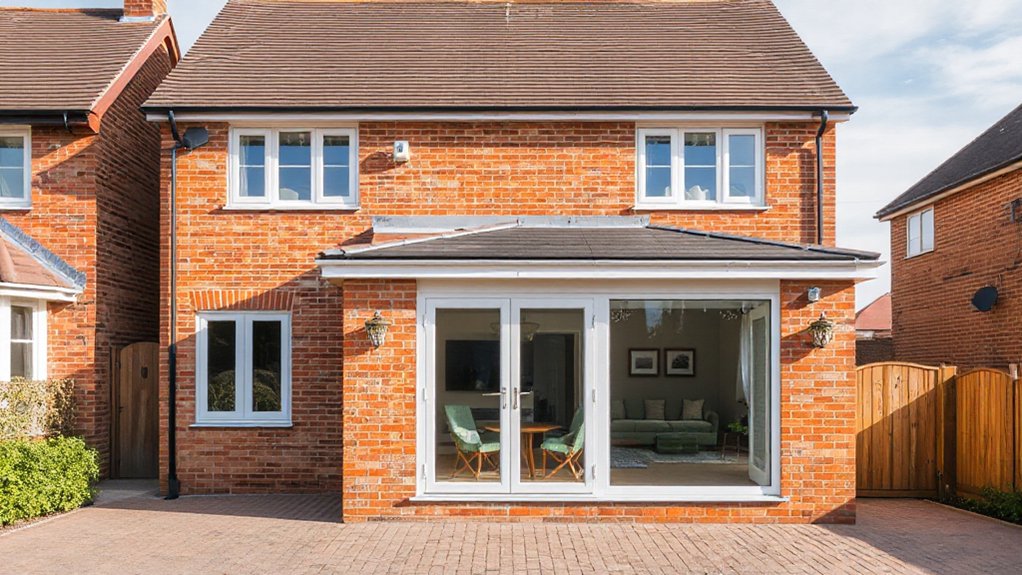
A double extension should read as a natural continuation of your home’s exterior, matching the cohesive style of the existing architecture.
Consider how the new bays, roofline, and detailing relate to the original proportions, aiming for harmony rather than contrast.
Align materials and textures with the house to maintain proportion, texture, and overall coherence across both structure and form.
Cohesive Exterior Styles
1) landscape integration: the extension should flow with plantings, paths, and sightlines to avoid abrupt shifts.
2) structural considerations: framing, massing, and alignment with the existing footprint must be technically sound and visually balanced.
3) material continuity: matching or harmonizing cladding, trim, and windows prevents jarring contrasts and reinforces unity.
Result: a unified exterior that communicates quality, durability, and thoughtful design, resonating with buyers and neighbors alike.
Proportion With Architecture
How does a double extension harmonize with your home’s existing style? Proportion with architecture hinges on proportional rules that integrate new mass without overpowering the original form. You’ll compare roofline, window rhythm, and setback alignment to maintain coherence, using proportional cues such as scale, sightlines, and balance.
Avoid abrupt changes; the new section should read as a logical continuation, not a separate addition. Consider how interior lighting you choose respects the established interior proportion, ensuring illumination enhances, rather than disrupts, spatial relationships.
Landscaping design should frame the extension, guiding views toward harmony rather than distraction. Precision in keystone details, glazing, and alignment reinforces unity across the façade, blending old and new into a single architectural conversation.
Material and Texture Match
- Align surfaces with existing timber or stone to preserve visual weight and grain flow.
- Pair durable materials with restrained textures to avoid competing focal points.
- Apply consistent detailing (joints, edge profiles) so shifts stay crisp and legible.
A precise match reduces maintenance surprises and reinforces perceived value, ensuring the extension feels deliberate rather than an afterthought.
Most Appealing Uses: Kitchen-Dining, Living, or Studio?
Choosing between kitchen-dining, living, or studio layouts hinges on how you plan to use the extra space and how you value flow, light, and flexibility. You’ll weigh how each option supports daily routines, entertaining, and multitasking.
A kitchen-dining configuration prioritizes efficient traffic, storage, and social interaction, while a living-focused plan enhances lounging, viewing angles, and acoustics.
A studio approach emphasizes openness, natural light, and flexible zones for work, hobbies, or guests.
Objective criteria matter: square footage efficiency, daylight access, and potential for future partitioning.
Consider integration with gardening tips for indoor herb access and seasonal aesthetics, plus home automation opportunities to control lighting, climate, and shades.
Choose the layout that minimizes wasted space and maximizes long-term adaptability, not just initial appeal.
Cost-to-Value Benchmarks You Can Trust
You’ll want to anchor your planning in clear cost-versus-value benchmarks, focusing on how hard costs align with potential resale and rental premiums.
Market demand alignment matters, so compare your project’s features to current buyer preferences and regional price points to set realistic expectations.
Finally, map a realistic payback timeframe that reflects both construction costs and the marketplace’s pace of value shifts.
Cost Versus Value Benchmarks
- You’ll prioritize components with proven value contributes, reducing overinvestment.
- You’ll quantify expected ROI ranges, so you can resist overpromising outcomes.
- You’ll factor in eco friendly upgrades and smart technology to improve appeal without inflating costs.
Rely on objective data, not anecdotes, and adjust for local market conditions.
This approach helps you separate vanity from value, ensuring your renovation supports resale objectives while remaining financially prudent.
Market Demand Alignment
Are market signals aligned with your project’s cost-to-value expectations, or do you risk overestimating demand? You’ll assess current demand by comparing credible buyer data to your budget assumptions, focusing on how buyers value space, function, and aesthetics.
Market demand alignment hinges on observable trends, not wishful thinking: regional growth, school quality, and job stability shape willingness to pay for a double extension.
You’ll test price sensitivity with scenario ranges that reflect interior lighting improvements and landscaping design upgrades as value multipliers. Consider how these features influence perceived utility versus cost.
Use monochrome benchmarks: home age, replacement costs, and time-on-market.
Ground your conclusions in quantitative signals, avoiding anecdote-driven biases, so your plan stays anchored in measurable demand and predictable returns.
Timeframe For Payback
What’s the payback window you can rely on when a double extension is added? The timeframe depends on cost-to-value benchmarks, project scale, and local market dynamics.
You’ll see payback primarily through functional gains, energy savings, and garden integration that enhances usability and uptime. Consider these indicators as you estimate return:
- Upfront cost versus incremental value over 5–7 years
- Operating savings and maintenance reductions, yielding a clear annual delta
- Marketability boost and saleability tied to sustainability benefits and external appeal
In practice, a well-integrated design that prioritizes daylight, flow, and outdoor-access can shorten the payback while bolstering garden integration and long-term sustainability benefits. This makes the extension a calculable investment rather than a guess.
Where to Spend and Where to Save for Value
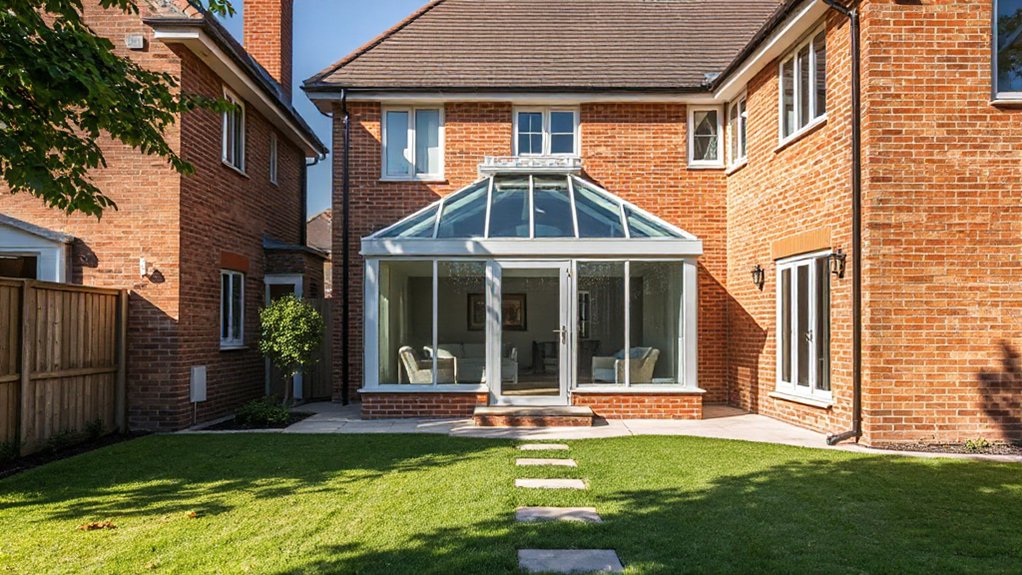
When budgeting for a double extension, you should prioritize spaces that add real, lasting value: kitchen and dining areas, a master suite, and flexible living zones that improve daily use. You’ll allocate more to high-utility rooms that boost daily comfort and resale appeal, not flashy flourishes.
Budget planning should map upfront costs, contingencies, and phased milestones, aligning with your long-term needs. Focus on durable materials, efficient layouts, and contractor reliability to avoid overruns.
Renovation trends show open-plan adaptability, energy efficiency, and storage optimization driving value, but avoid over-customization that limits future buyers. Prioritize kitchens, baths, and primary suites with interoperable tech and flexible layouts.
Maintain a measured approach, document decisions, and compare options by performance, not just price. This disciplined method sustains value without speculative excess.
Payback Timeline: When Value Shows at Sale
Even though a double extension can boost sale appeal, the payback timeline hinges on how well the addition aligns with buyer priorities and market conditions. You measure value by timing, not just size, so you’ll analyze demand signals and comp data to estimate recouped equity.
1) You prioritize buyers who value open layouts and functional space, tracking how fast those features move off the market.
2) You assess anchoring factors like price bands and financing, projecting a realistic uplift versus carrying costs.
3) You account for ancillary improvements—such as landscaping impact and the subtle influence of vintage charm on curb appeal—that can compress the time to sale.
In short, you translate capability into measurable return, not promises.
Regional Market Variations in Extension Demand
Regional demand for extensions varies by market, reflecting different buyer priorities, zoning, and construction costs. You’ll see regional trends shaping how much buyers value additional living space, with preferences shifting based on local housing stock and density.
In some areas, single-story or compact rear extensions command strong interest due to limited land for expansion, while others favor multi-room or higher-end configurations that fit family growth patterns.
Market fluctuations arise from financing conditions, builder competition, and material costs, producing uneven demand signals across regions.
You should monitor volume of inquiries, price discipline, and time-on-market changes as early indicators of regional strength or softness.
Compare local data over multiple quarters to separate temporary blips from persistent patterns, guiding your value assumptions for extensions.
Planning Permission: Timeline and Value Implications
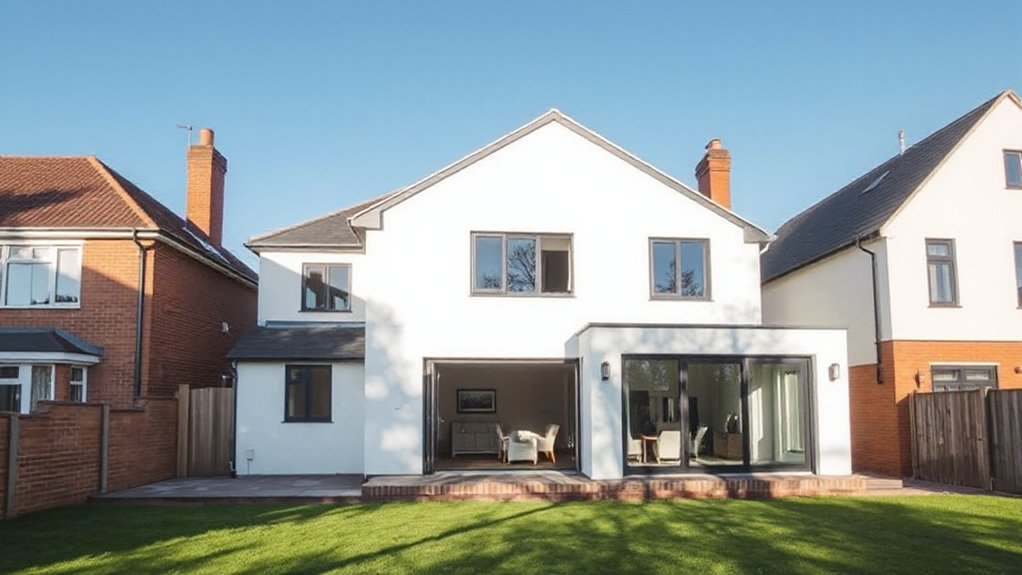
Planning permission timelines directly affect the value of a double extension. You’ll see how process speed shapes certainty, financing terms, and resale potential. Delays can compress ROI and trigger cost overruns, while swift approvals reduce risk and improve appraisal outcomes. Consider documentation quality, application complexity, and local planning authority trends as value levers.
- You benefit from clear milestones and reduced holding costs when approvals stay on track.
- You protect interior lighting and landscaping design concepts by aligning plans with guidelines early.
- You minimize appeal swings by anticipating conditions that affect finish quality and market desirability.
In practice, anticipate consent timelines, secure pre-application advice, and align project timetables with valuation expectations. A well-managed process supports stronger, more predictable value outcomes.
Common Mistakes That Erode Value
Design flaws, permits, and budget drift each erode value by undermining reliability and cost certainty. You’ll lose dollars if design decisions are rushed, permits stall, or budgets balloon beyond expectations.
Design Flaws Take Value
Common mistakes erode value by letting design flaws creep in early. When you design, you must recognize that design flaws directly affect valuation impact. Poor layout, mismatched styles, and inadequate sightlines undermine perceived quality and return. You’ll waste space, limit function, and create friction that buyers notice immediately.
Focus on coherence between levels, insulation, and orientation to protect value.
- Pinpoint conflicting design cues that confuse buyers and trigger price deductions.
- Guarantee flows and sightlines support use, avoiding wasted or underutilized rooms.
- Align materials and finishes with the overall scheme to sustain valuation impact over time.
Permits and Budget Drift
Are permits and budget drift quietly eroding value before you even break ground? In this section, you’ll examine how the permits process shapes project certainty and cost.
Delays stem from incomplete applications, misfiled documents, or unclear scopes, and each holds up decisions that push contractor schedules and escalating prices. Track approval milestones against a realistic timeline; embed contingencies for unexpected requests.
Budget management must align with regulatory steps, not after‑the‑fact adjustments. Define who’s accountable for each permit activity and when funds are released, avoiding last‑minute shortages that force value‑reducing compromises.
Regularly review permit status, cost estimates, and change orders to prevent drift from your baseline. A disciplined approach minimizes downtime, keeps milestones predictable, and preserves the double extension’s intended value.
How to Vet a Builder for Quality Outcomes
To vet a builder for quality outcomes, start with their track record: review completed projects, timelines, and post‑work support to gauge consistency and reliability. You’ll assess how they handle scope changes, defect resolution, and warranty performance, then compare results across jobs.
- Verify documented outcomes: on‑time deliveries, budget adherence, and quality benchmarks.
- Examine communication discipline: regular updates, clear change orders, and accessible project leadership.
- Inspect post‑completion support: timely fixes, transferable warranties, and client referrals.
This approach separates capable firms from riskier options. A builder who consistently delivers, communicates precisely, and honors commitments tends to support a garden transformation or interior redesign with fewer surprises.
Your diligence reduces rework, protects value, and clarifies expectations before signing. Focus on measurable performance, not promises.
Energy Efficiency as a Value Multiplier
Energy efficiency acts as a value multiplier by reducing ongoing operating costs and enhancing comfort, resale appeal, and resilience. You evaluate efficiency gains by focusing on measurable improvements that persist after construction completes.
Energy efficiency choices lower utility bills, improving monthly cash flow and overall return on investment. Insulation upgrades reduce heat loss, stabilize indoor temperatures, and lessen HVAC cycling, which extends equipment life and lowers maintenance frequency.
Evaluate airtightness, thermal bridging, and wall assembly performance to quantify potential savings. Consider building envelope upgrades alongside high-performance glazing and efficient sourcing of materials to avoid diminishing returns.
Prioritize replicable results, such as standardized energy models or diagnostic tests, to benchmark post‑extension performance. In sum, efficiency reinforces value by delivering predictable, long-term operating cost reductions and enhanced occupant comfort.
Presenting the Extension: Documentation, Photos, and Seller Pitch
Presenting the extension requires clear, evidence-based documentation that backs up the value created. You’ll present a concise case showing how the extension affects space, flow, and functionality, grounded in measurable data.
Photos should reflect dimensions, finishes, and daylight delivery, avoiding distortion, with captions that tie visuals to value. Seller pitches must align with objective results, not hype, and emphasize durability, cost vs. benefit, and market relevance.
Use color schemes to illustrate design versatility and to convey perceived space, while noting material durability as a key performance indicator.
- Quantified space gains and layout improvements linked to utility and resale appeal
- Material durability outcomes supported by testing and warranties
- A visual dossier that connects photos, captions, and documented metrics
Frequently Asked Questions
How Soon Does Value Appear After Completion?
Value appears quickly in your project if builders complete on time and quality is solid; temporary gains may appear as early as possession, but true value accrues gradually. The aesthetic impact influences buyer perception and improves listing appeal.
Which Extensions Maximize Return in Smaller Homes?
Extensions that maximize return in smaller homes are you should consider compact, modular layouts with cohesive architectural style. Favor zones within zoning regulations, avoid overbuilding, and quantify costs, benefits, and resale impact before committing.
Does Extension Size Influence Resale Differently by Region?
Yes, extension size influences resale differently by region. You should analyze regional market trends and zoning regulations to gauge demand, costs, and max feasible scope; regional market trends drive value shifts, while zoning regulations constrain size and timing.
Do High-End Finishes Consistently Boost Perceived Value?
Yes, high-end finishes consistently boost perceived value when you pair luxury fixtures with high end appliances, though impact varies by market, project quality, and buyer expectations; rigorous standards and precise execution determine actual resale perception.
What Hidden Costs Most Affect Total Value?
Hidden costs lurk like unseen cracks, quietly eroding margins. You confront renovation surprises, from permits to overruns, and adjust budgets accordingly, measuring true value. You must account for inspections, waste, and timing to protect overall equity.
Conclusion
A double extension can substantially lift your home’s value when it’s well-designed and aligns with buyer expectations. Focus on fit, flow, and quality—not just size—because layout, finishes, and energy efficiency drive real-world premiums. Vet builders, secure solid warranties, and document improvements with clear photos and permits to maximize appeal. Avoid common missteps that erode value. In short, a strategic, well-executed extension offers strong ROI, much like discovering a vintage iPhone in a Victorian desk drawer.