Like a well-tuned stage, your home hinges on the right frame and pane. You’ll want to know how new windows and doors affect appraisal, energy use, and curb appeal, and whether the payoff holds where you live. Costs vary by style, installation quality, and market conditions, so the answer isn’t one-size-fits-all. If you aim for a solid return without overdoing it, consider the specifics that buyers and appraisers actually weigh—then decide what fits your property and budget.
Do New Windows Increase Appraisal Value? A Practical Look
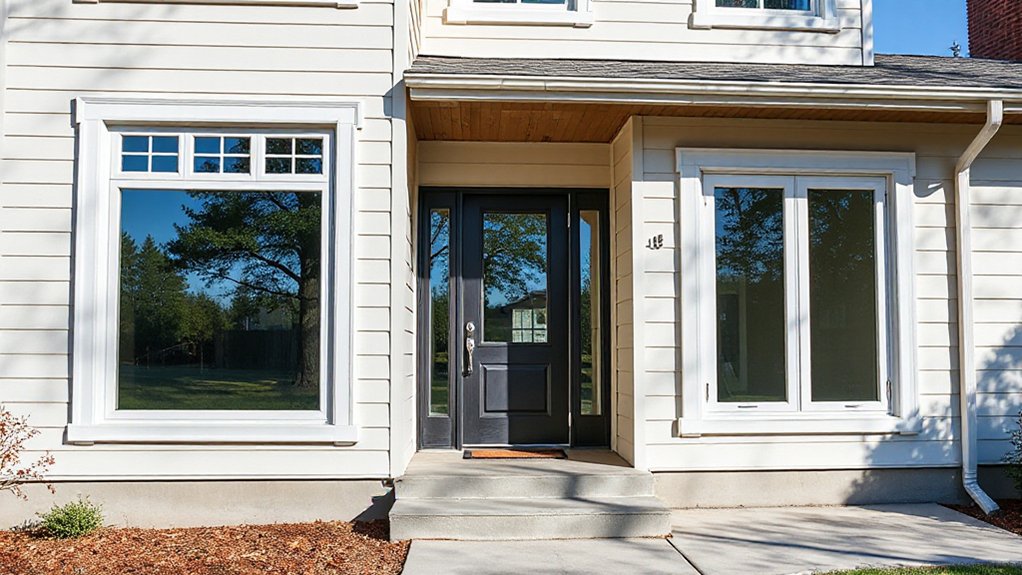
Upgrading to new windows can affect appraisal value, but the impact isn’t automatic. You’ll see more influence when windows align with property type, neighborhood norms, and market expectations.
Appraisers weigh replacement quality, installation precision, and the window’s durability over time. Historical preservation considerations matter in older homes; authentic styling and period-accurate details can support value or curb appeal without overreacting to modern features.
Measured improvements come from superior materials, airtight construction, and reliable operation, which reduce observed wear and maintenance costs. Documented durability and low maintenance can influence a appraiser’s assessment of long-term costs and condition.
Results vary by region, home style, and assessor methodology, so expectations should be grounded in comparable sales data and verified by a professional appraisal review.
How Modern Windows Cut Energy Bills and Add Value
With modern windows, you’ll typically see energy bills drop as higher-performance panes, better seals, and improved framing limit heat transfer and drafts. In controlled studies, double- or triple-glazed units can reduce heating needs by up to 15–25% and cooling loads by about 10–20%, depending on climate and installation quality.
Low-E coatings reflect infrared heat while preserving visible light, further smoothing demand on HVAC systems. Material durability influences long-term savings, since sturdy frames resist warping and seal failure that raise maintenance costs.
Historical significance shows energy-efficient replacements became standard after mid-20th-century efficiency codes, guiding modern designs toward tight envelopes.
What Appraisers Look For in Window Replacements
Appraisers assess how replacement windows affect value by weighing evidence of energy efficiency gains against installation costs. You should expect documented improvements in insulation, glazing performance, and durability to support higher appraisal value, with energy data often key.
They also check for historical compliance standards and whether products meet local code requirements, guiding how the upgrade translates to value.
Appraisal Value Impact
They document framing compatibility, proper flashing, and seal integrity, since these details influence long-term performance. Historical significance factors in, especially for properties with stylistic or era-specific windows, affecting perceived authenticity.
Regional variations matter: market expectations and typical upgrade costs differ by climate, neighborhood norms, and supply chains, shaping value outcomes. Appraisers also compare installed units to county tax assessments and prior sale comps, adjusting for condition and age.
Energy Efficiency Evidence
Consider these key elements:
1) U-factor and SHGC ratings illustrating heat transfer and solar gain
2) Insulation continuity, air leakage, and installation integrity
3) Energy savings projections versus upfront costs and payback periods
Historical preservation and security enhancements are also weighed, influencing overall appraisal context. You’ll see data-driven comparisons across brands and product lines, with emphasis on performance testing results and warranties.
Objective analysis supports decisions about upgrading, retrofitting, or preserving existing systems. Energy efficiency evidence therefore informs value through measurable performance, economic benefit, and risk assessment.
Historical Compliance Standards
Data show that compliant projects minimize nonconforming renovations and reduce potential fines or delays. You’ll encounter criteria on frame materials, glazing, muntin patterns, and sash configurations, with emphasis on historically accurate proportions and sightlines.
Building codes address structural integrity, weather resistance, air leakage, and energy performance, while historical preservation standards weigh aesthetics and contextual fit.
You should document coatings, trim details, and color consistency to demonstrate adherence. When replacements meet these standards, appraisal risk decreases, and value preservation improves, particularly in designated districts where compliance drives market perception and stability.
Boost Curb Appeal: Window Styling That Sells
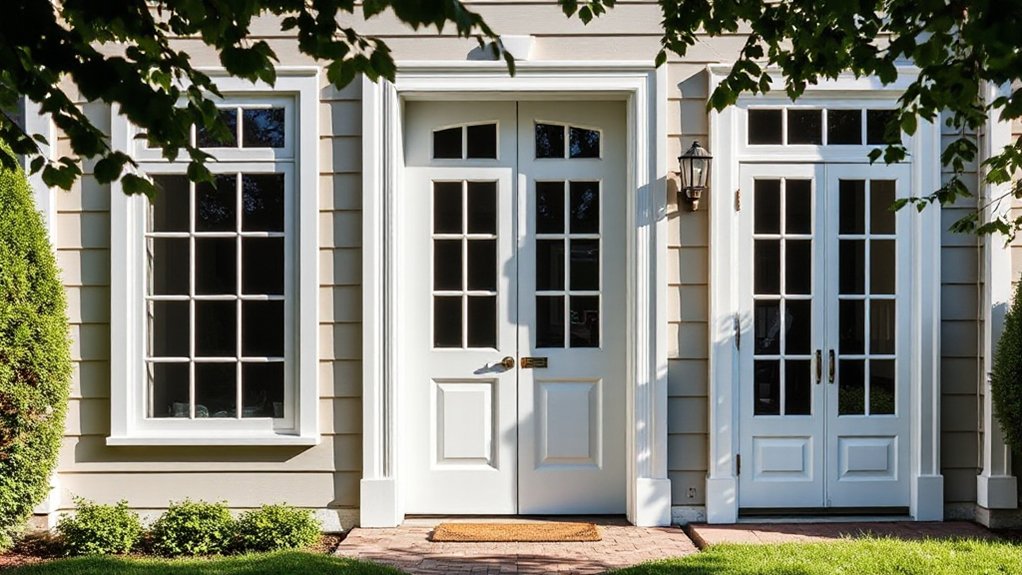
Boost curb appeal starts with thoughtful window styling that draws the eye and signals quality from the street. You’ll notice how external trim, proportion, and symmetry correlate with perceived construction quality, influencing buyer attention before details like energy performance.
Data show curb appeal shifts can translate into measurable value, especially when styling aligns with local expectations. Historical preservation and regional climate guide choices, ensuring compatibility with streetscapes and resilience.
- Align trim and muntin patterns with historic context to signal authenticity.
- Select finishes and colors that resist local weather while maintaining visual coherence.
- Prioritize window placement and proportion that enhance facade rhythm without compromising function.
Clear, consistent styling reduces buyer uncertainty, supporting faster offers and confidence in value.
Regional Trends: Do Window Upgrades Pay Off Locally?
Regional patterns show that window upgrades yield varying returns based on local market conditions, housing stock, and climate. You compare cities with similar sizes but different climates, noting how demand for energy efficiency shifts value.
Historical trends reveal that buyer premiums for upgrades tighten or widen with regional climate severity and utility costs, not just prestige. In temperate regions, modest efficiency gains can translate into quicker resale, while in markets with high energy prices, premium components may dominate price uplift.
Local housing stock matters: newer or historically styled homes react differently to the same upgrade, influencing average days on market.
Window Materials Compared: Vinyl, Aluminum, Wood
Vinyl, aluminum, and wood each bring distinct performance profiles that affect price, maintenance, and energy efficiency. You weigh durability, upkeep, and long‑term value when comparing materials for your project.
Vinyl offers low maintenance and strong cost value, but may limit color and texture options in historic settings.
Aluminum delivers slim frames and high strength, yet can conduct more heat and show dents more easily.
Wood provides classic aesthetics and excellent insulation with proper care, though it requires ongoing weatherproofing and seasonal upkeep.
Consider historical restoration goals and regional trends when selecting materials.
- Evaluate curb appeal versus upkeep costs
- Align material choice with local restoration guidelines
- Assess long‑term value in your climate and neighborhood
Glass Technology: U-Factor, SHGC, and Energy Codes

Glass technology directly affects energy performance and code compliance: U-Factor measures how quickly heat escapes through glass, SHGC indicates how much solar heat is transmitted, and local energy codes dictate minimum performance requirements.
You’ll evaluate assemblies by selecting glass with low U-Factor for heat retention and SHGC appropriate to climate to balance cooling needs. Higher performance reduces monthly energy use and can improve comfort, though toggling tinting options may affect visible light and color perception.
Window tinting can lower SHGC and glare but alter aesthetics and UV protection, so test in daylight.
Decorative grilles influence air leakage or boundary conditions only if improperly installed; confirm seals remain continuous.
Codes vary regionally, so reference the latest local amendments when specifying products.
Front Doors and Entry Impact: How Doors Influence Value
Front doors and entryways set the first impression of a home and influence perceived value through durability, security, and energy performance. You assess value by how a door performs in real-world conditions, supported by data on installation quality, material longevity, and ongoing maintenance.
Key factors include door security and weather resistance, which correlate with lower insurance costs and reduced climate-related drafts.
- Enhanced curb appeal aligns with buyer expectations and appraisal signals
- Measurable improvements in energy efficiency reduce monthly operating costs
- Durable materials and robust hardware lower long-term replacement needs
Careful selection of sturdy frames, weatherstripping, and multi-point locking informs resale outcomes, while standardized testing and certifications provide objective benchmarks.
Door security and weather resistance remain central to value, reflecting risk mitigation and comfort for occupants.
Back Doors and Access: Practical ROI Considerations
Back doors and access points play a critical role in daily usability and emergency egress, yet their impact on ROI hinges on practical factors beyond aesthetics. You should evaluate installation costs relative to expected savings from improved energy efficiency, reduced maintenance, and enhanced safety.
Data show ROI varies with door material, insulation, and fit, influencing heating and cooling demands. Access convenience—e.g., wider thresholds or keyless entry—can boost occupant satisfaction and reduce operational friction, though these gains depend on property type and neighborhood security norms.
Consider security enhancements and smart technology as value multipliers rather than guarantees; integrated systems often raise perceived and actual value only when they align with local market expectations.
Prioritize durable materials, proper sealing, and compliant hardware to maximize long‑term ROI.
How Window Replacement Affects Resale Speed
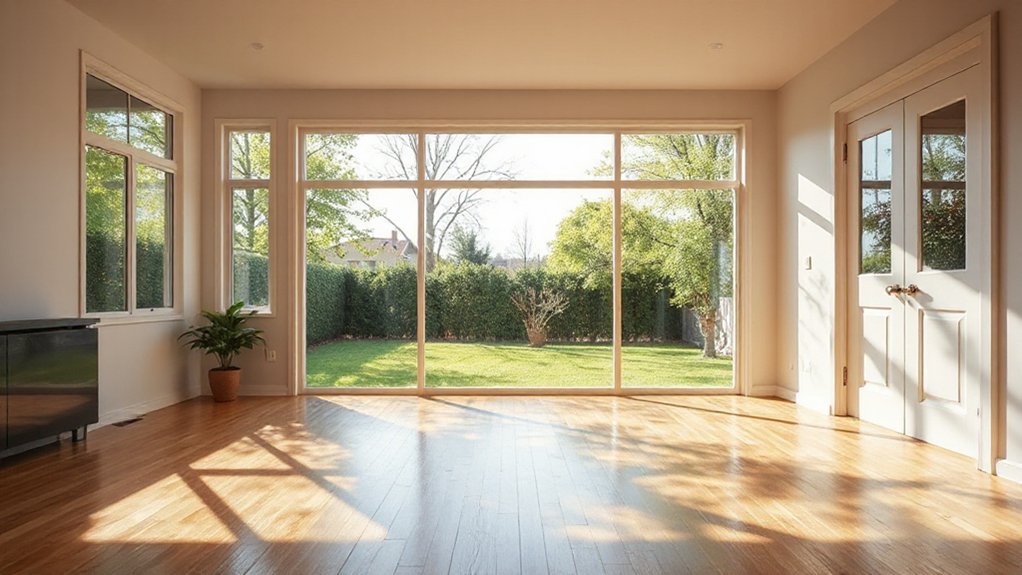
Window replacement can accelerate resale by shortening time on market and attracting more qualified buyers, especially when upgrades address observable issues like drafts, condensation, or outdated framing.
You’ll see faster interest when new panes and seals reduce energy complaints and improve curb appeal, correlating with shorter listing durations and higher final offers.
Historical significance and artistic craftsmanship sometimes influence buyer perception, signaling durability and design care even in mid-market homes.
Data show buyers value credible efficiency gains and visible modernization more than abstract upgrades.
To frame the impact, consider these points:
1) Improved energy performance can compress decision timelines.
2) Enhanced aesthetics reduce objections during showings.
3) Notable quality signals, like craftsmanship, may sustain interest through negotiating.
Tight timing often hinges on credible, differentiating improvements.
Costs You Can Expect for Windows and Doors
You’ll start with installation costs, including materials, labor, and any permitting or site prep.
We’ll then weigh these upfront expenses against long-term value, focusing on efficiency gains, maintenance, and expected lifespan.
This discussion frames the cost data you need to judge whether the investment pays off over time.
Installation Costs Overview
Installation costs for windows and doors vary by product type, material, and installation complexity, but a typical range can help you plan budgets more accurately. You’ll see cost drivers such as unit price, labor hours, and additional features like energy ratings. Precise budgeting relies on comparing quotes that itemize hardware, framing adjustments, and any required retrofits.
- Installation labor variability
- Material durability concerns
- Climate considerations and energy performance
When evaluating options, focus on credible data: local labor rates, material warranties, and insulation values. This helps you forecast total expense and ROI without overpaying.
Being methodical about upfront costs prevents surprises and aligns expectations with project scope.
Long-Term Value Insights
Despite upfront costs, long-term value hinges on energy savings, durability, and maintenance needs, which vary by product type and climate. You should assess insulation performance, glazing, and frame materials to predict yearly operating costs and payback periods.
Windows and doors with high U-values and low air leakage generally reduce heating and cooling bills, influencing overall value over time.
Durability matters: steel, fiberglass, and advanced vinyl frames resist warping and require fewer repairs, lowering maintenance costs.
Historical significance can affect resale appeal in areas with historic districts, shaping what buyers expect and may pay.
Market demand fluctuates with energy codes and aesthetics, so choosing configurations that align with local preferences improves resale velocity.
Track warranty terms, service networks, and replacement cycle estimates to refine total cost projections.
How Installation Quality Impacts Value and Longevity
Even small installation errors can erode value and shorten longevity, because proper fit, sealing, and alignment directly affect performance. When installation meets precision standards, you gain measurable benefits in energy efficiency, curb appeal, and system reliability. Data show that gaps, misalignments, or improper flashing can raise maintenance costs and reduce expected lifespan. You should expect clearer evidence of value shifts as next-cycle performance improves. Material durability and installation precision together determine long-term outcomes.
- Precision-first steps reduce air leakage and moisture intrusion, protecting framing and finishes.
- Proper sealing minimizes thermal bridges, sustaining energy savings period after period.
- Accurate alignment preserves hardware function, increasing reliability and reducing service calls.
These factors drive durable value, not aesthetics alone.
Choosing Styles That Sell: Aesthetic vs. Function
Aesthetic appeal draws buyers by shaping first impressions and perceived value, backed by market data on curb appeal and resale timing.
Functionality boosts usability and long-term satisfaction, with metrics for energy efficiency, ease of maintenance, and accessibility influencing buyer willingness to pay more.
Here, you weigh style against utility, recognizing that aesthetics attract attention while functionality sustains value through practical benefits.
Aesthetics Drive Appeal
Aesthetics strongly influence buyer perception, and choosing window and door styles that align with modern trends can boost perceived value even before a thorough inspection. You measure impact by compatibility with home style, color schemes, and decorative accents that repeat across rooms.
- Align fixtures with architectural lineage to reinforce coherence.
- Use restrained color schemes that highlight natural light and contrast without clashing.
- Feature decorative accents that echo existing trim and hardware for a cohesive look.
Data indicate buyers assign value based on first impressions and stylistic continuity, not just material quality.
By selecting contemporary profiles and finishing touches that match the neighborhood norm, you elevate perceived value quickly.
Precision in style choices reduces post-purchase doubts and speeds interest.
Functionality Boosts Usability
Functionality drives usability by ensuring that window and door choices support daily routines and long-term maintenance as much as curb appeal. You evaluate products by performance metrics rather than impressions, prioritizing ease of operation, standardization of hardware, and serviceability.
Data show higher satisfaction when designs enable smooth opening, locking reliability, and predictable replacement timelines. Security enhancements, such as robust multi-point locking and reinforced frames, correlate with lower homeowner reports of intrusion risk.
Noise reduction contributions matter too; tighter seals, acoustic-rated glazing, and precise fit reduce perceived disruption and improve concentration in living spaces. When you balance features, you gain measurable benefits in energy consistency, maintenance costs, and overall usability.
This approach favors objective criteria over stylistic preferences, aligning purchase choices with long-term property practicality.
Style vs Utility Tradeoffs
Deciding between style and utility isn’t a guesswork exercise; it hinges on how design choices influence buyer perception and long-term value. You weigh aesthetic appeal against practical performance, guided by data on return, maintenance, and durability.
Consider how architectural harmony, color consistency, and window/door scale affect perceived quality and neighborhood fit. Material durability matters because longer-lasting components reduce lifecycle costs and resale friction.
To evaluate efficiently, keep these factors in mind:
1) Align with home style and architectural cues to boost cohesion
2) Prioritize durable frames and glazing to lower maintenance needs
3) Balance energy performance with visual appeal to maximize perceived value
The goal is a cohesive, low-maintenance upgrade that signals quality while supporting resale confidence.
Budget-Friendly Upgrades That Pay Off
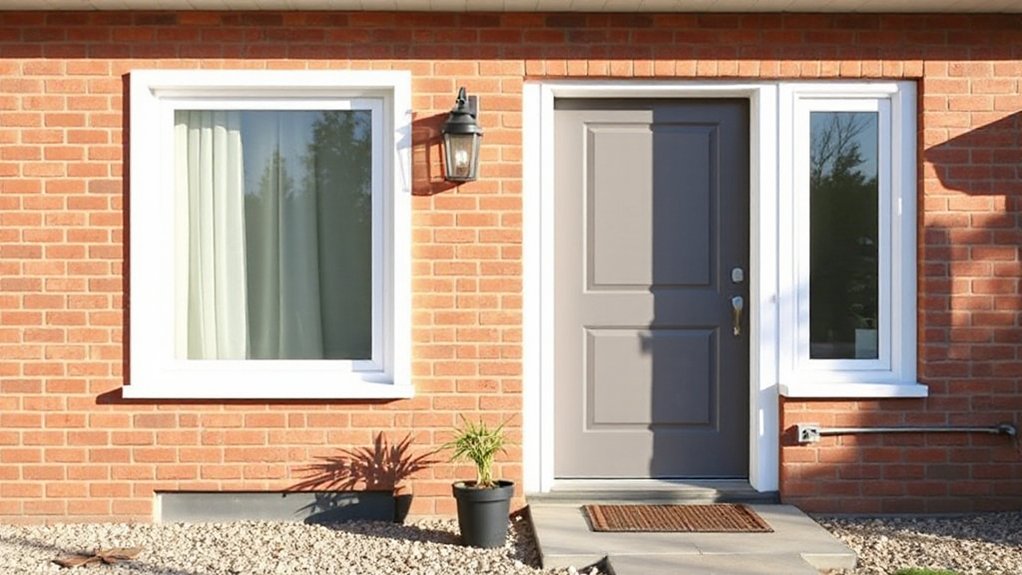
Budget-friendly upgrades can yield solid returns by boosting curb appeal and reducing operating costs, making them smart investments for homeowners on a budget. You should target improvements with measurable impact, not cosmetic extras.
Replacing an exterior door or mid-range windows often delivers visible value through increased airtightness and lower energy bills, supported by utility data and resale estimates.
Prioritize options with proven durability and low maintenance to extend life cycles and minimize long-term costs.
Historical preservation considerations matter in certain markets, where period-appropriate materials or styles can preserve neighborhood character while improving efficiency.
Material durability directly affects replacement intervals and total cost of ownership, so select rated products and installers with documented performance.
Documented performance data and independent testing help you compare options objectively and avoid overinvesting in fleeting trends.
Financing, Warranties, and a Practical Replacement Checklist
When planning replacements, you should examine financing options, warranties, and a practical checklist to guarantee value over time. You’ll want clear estimates, low-interest options, and transparent terms to avoid hidden costs. Warranty coverage matters; verify scope, duration, and transferability to preserve resale value. A concise checklist guides decisions and reduces risk.
1) Compare total cost of ownership across manufacturers, installers, and financing plans.
2) Confirm warranty coverage specifics, including exclusions, service response times, and available extensions.
3) Use a standardized replacement schedule with expected lifespans for each component and milestone maintenance.
This approach supports data-driven decisions and minimizes surprises.
Frequently Asked Questions
Do Replacement Windows Raise Resale Value More Than New Construction?
Replacement windows can raise resale value, but not as much as new construction in most markets. You’ll gain energy efficiency and curb appeal, yet installation costs may offset time-to-value, requiring careful cost-benefit analysis.
How Long Does ROI Typically Last After Window Upgrades?
ROI on window upgrades typically lasts 15–20 years, with energy savings extending beyond that. In a hypothetical case, you’d recoup installation costs through annual energy savings, while long term benefits accumulate as efficiency remains consistent.
Do U-Values Affect Appraisal Outcomes for Window Installs?
Yes, u-values can affect appraisal outcomes for window installs, influencing energy efficiency ratings. You should consider energy efficiency and appraisal factors, as measured improvements may be reflected in value, especially when upgrades align with local codes and energy incentives.
Which Window Style Yields the Best Curb Appeal ROI?
Yes, vinyl sliders offer strong curb appeal ROI for many homes. You’ll benefit most by choosing clean profiles, larger panes, and lighter frames, while Solar energy and Smart technology integrations enhance perceived value and potential resale interest.
Do Door Upgrades Influence Sale Speed as Much as Price?
Door upgrades influence sale speed more than price for many buyers; they prioritize privacy concerns and energy efficiency. You’ll likely see quicker interest and shorter time on market when upgrades address these factors, though exact impacts vary by market.
Conclusion
Upgrading windows and doors can raise resale value and improve energy bills, especially when matched to your home’s style and market. Data shows well-executed replacements often recoup a meaningful portion of costs, with installation quality and curb appeal driving value. Think of it like replacing worn tires on a car: you don’t just improve ride comfort, you protect overall performance and resale worth. If you plan, compare local trends, and choose durable options, you’ll maximize returns.