You start with a data-driven readiness screen to verify structure, safety, space, and adaptability before budgets or layouts. Check fire safety, egress, and electrical capacity, then assess load, plumbing, and potential timber issues. Evaluate market demand, location drivers, and accessibility to amenities and transit. Design bedroom configurations and communal spaces for scale, with energy efficiency as a plus. Map finance basics—rent, yield, cash flow—and don’t forget an exit option if the fit isn’t right. More insights await.
HMO Readiness: Is This Property a Fit?
HMO readiness isn’t just about the math; it’s about whether the property can deliver safe, compliant, and profitable occupancy. You assess structural integrity, fire safety, and access routes first, then weigh lease terms, licensing, and required room counts.
Practical design considerations guide the fit: ceiling heights, egress, and corridor widths shape occupancy potential without costly retrofits. You’ll evaluate electrical capacity, plumbing layouts, and heating efficiency to minimize operational risk.
Historical architecture informs the sense of space and potential constraints, while landscape aesthetics influence tenant appeal and outdoor usability.
You balance today’s maintenance needs with long-term adaptability, ensuring renovations enhance safety, compliance, and value. If the project aligns with both regulatory demands and tenant experience, you’ve found a solid HMO fit.
Understanding Local Market Demand for HMOs
Understanding local market demand starts with spotting clear signals from Market Demand Signals and tracking Local Rental Trends.
You’ll map who’s renting, for how long, and at what price. Then test how a converted HMO fits that workflow.
Use concise data views to shape the ROI and design choices that attract the right tenants.
Market Demand Signals
1) Local vacancy and turnover rates, showing sustained demand beyond temporary spikes
2) Rental price dispersion and occupancy trends that favor multi-occupancy units
3) Planning permissions, HMO licenses, and enforcement consistency in the area
4) Tenant profiles and needs your property aesthetics can meet while complying with regulations
Use these data points to validate a concept before you invest. Align finishes, layout, and safety measures with documented demand.
Local Rental Trends
How are local rental trends shaping demand for HMOs? You’ll notice occupancy cycles aligned with student and workforce influxes, driving sustained demand for shared clusters in high-amenity areas. Track average rents, vacancy rates, and move-in timelines to forecast cash flow and CapEx needs.
Look beyond headlines: compare micro-neighborhoods, frontage corridors, and transit access to identify where space is valued. Design-driven decisions matter: property aesthetics influence desirability, turnover, and premium pricing; align interiors with target tenants’ preferences to maximize occupancy.
Pair trends with practical diligence, like seasonal leasing patterns and renewal likelihood. Implement robust tenant screening to reduce risk while maintaining fill rates.
Use data dashboards to monitor shifts and adapt unit mixes, common spaces, and amenities as demand patterns evolve.
Location Metrics That Drive Occupancy
You’ll anchor occupancy by reading Local Demand Signals, so you know who’s actively seeking HMOs in the area.
Proximity to Transport Connectivity matters—clear access, frequent routes, and walkable hubs translate to higher acceptance rates.
Track Area Vacancy Trends to spot timing windows and avoid over-supply, using concrete data to guide property choices.
Local Demand Signals
- Track current occupancy rates and vacancy cycles in target submarkets.
- Compare renter preferences for room counts, lease lengths, and amenities.
- Measure turnover velocity by block or street clusters to gauge stability.
- Cross-check supply gaps with planned developments and zoning changes.
Use visuals to communicate findings, and let design cues—from floor plans to shared spaces—align with proven demand.
This approach keeps you data-informed, practical, and ready to optimize occupancy without overinvesting.
Transport Connectivity Proximity
Prioritize proximity to amenities—supermarkets, cafes, gyms—since daily needs cluster around transit nodes, boosting demand density. Map accessibility windows for peak hours and consider how future upgrades (new stations, line extensions) could shift occupancy curves.
Design decisions should reflect data-informed flexibility: ground-floor hubs, secure bike storage, and well-lit routes encourage footfall. Use objective metrics to compare properties, like transit score, walkability, and amenity mix, ensuring your HMO aligns with predictable resident lifestyles.
Transport connectivity reinforces occupancy stability.
Area Vacancy Trends
What do area vacancy trends reveal about occupancy risk and opportunity for HMOs? You’ll see how local demand pulses align with property timing, letting you estimate churn, pricing pressure, and rent stability.
Area vacancy data, when paired with neighborhood arts presence and zoning restrictions, clarifies where conversions can sustain occupancy and where waitlists form. Practical insight comes from tracking seasonal dips, redevelopment activity, and school-year cycles that shift occupancy.
Use the trends to benchmark yield against nearby HMOs, not just single properties. This is design-driven due diligence: map vacancy rates to street-level demand, then stress-test with capacity, amenity, and policy limits.
1) Identify hotspots
2) Compare submarket volatility
3) Align with arts-centric neighborhoods
4) Confirm zoning feasibility.
Optimal Bedroom Configurations for Scale
Ideal bedroom configurations for scale hinge on maximizing usable space while ensuring quiet, private sleep zones for each tenant. You’ll favor adaptable footprints, such as compact en-suites, bunk options, or partitioned pods that preserve central circulation.
Prioritize sound isolation between rooms and shared corridors, using solid doors, soft-close hardware, and vibration-damped floors. Size each room to comfortably fit a bed, storage, a study nook, and a wardrobe without crowding; target minimum floor areas aligned with your local HMO standards.
Employ data-informed planning: analyze corridor widths, window placements, and natural light to reduce dead zones. Integrate garden landscaping cues and interior decor to visually expand spaces—reflective surfaces, cohesive color schemes, and multipurpose furniture.
This balance supports scalable occupancy while keeping residents’ wellbeing central.
Designing Communal Spaces for Shared Living

- Define a central gathering zone with varied seating to support both conversations and solo work.
- Use durable finishes and easy-to-clean surfaces for high-traffic areas.
- Create visual and acoustic buffers between shared rooms and private spaces.
- Integrate interior decor that reflects residents’ tastes while maintaining coherence.
Practical moves: plan for natural light, convenient power, and accessible storage.
Outdoor landscaping should extend the social space, linking indoors to terraces.
Prioritize low-maintenance greenery to sustain appeal.
Key Regulatory Baselines by Area
Steering the regulatory baselines by area helps you design a compliant HMO from the start, not after plans are drawn. You’ll map local thresholds for maximum occupants, spacing, and room counts, then align your layout with permit requirements and council guidance.
Expect variability: some districts tighten licensing criteria, while others emphasize data-informed cap calculations and occupancy density limits. You’ll weigh neighborhood-specific rules, such as permitted HMO uses, mandatory alterations, and compliance reporting timelines.
Incorporate historical preservation considerations early to avoid costly remediation later, ensuring any visible changes respect character and listed features.
Aesthetic considerations matter too: exterior treatments, windows, and ingress points should match local standards. By grounding design decisions in jurisdictional baselines, you reduce rework and accelerate approvals.
Fire Safety Essentials: What You Must Meet
Fire safety basics shape both design and risk, so you’ll prioritize clear egress routes, compliant exits, and fire-rated pathways from day one.
You’ll implement reliable alarm systems and suppression measures that align with local data on incident response times and occupancy load.
Fire Safety Standards
You design with data, not guesswork, balancing compliance with historical preservation and aesthetic appeal to preserve character while meeting modern fire codes. Guarantee systems are scalable, reliable, and clearly documented for inspections.
- Map compartmentation and fire doors to minimize spread without compromising style.
- Specify heat, smoke detectors, and emergency lighting aligned to occupancy density.
- Plan means of fire-fighting access and clear evac pathways.
- Schedule regular testing, servicing, and record-keeping to preempt failures.
Focus on durable materials, modular layouts, and maintainable controls. This approach blends safety with UX, keeping your property attractive to tenants while staying legally sound.
Egress and Exits Rules
Good egress and exits are non-negotiable for multi-unit conversions. You’ll design routes that minimize travel distance to two exits per unit, with clear sightlines and illumination.
Aim for widths that handle peak occupancy and provide barrier-free access where possible. Assess stair configurations, landing sizes, and door hardware to reduce pinch points and guarantee panic-safe operation.
Fire doors must be properly rated, self-closing, and kept unobstructed. Provide redundant egress paths from common areas, plus clearly labeled emergency routes throughout interiors.
Consider security systems that don’t impede egress or create bottlenecks, and integrate them without compromising exit access. Align interior decor with wayfinding cues, using contrasting colors and readable signage.
Test routes with occupancy simulations to verify practical, compliant flow.
Alarm and Suppression Basics
Effective alarm and suppression systems are non-negotiable for safe, compliant HMOs, and they should be designed to protect occupants while minimizing false alarms and disruption. You’ll balance reliability, ease of maintenance, and occupant comfort by pairing smart fire alarm detection with clear notification paths and robust suppression systems.
Prioritize code-compliant layouts, integrated monitoring, and scalable coverage as you assess potential properties.
- Assess fire alarm zoning and interlocks to guarantee timely alerts without overdiagnosis.
- Confirm suppression systems match room use, occupancy, and material risks.
- Verify power redundancy, maintenance access, and testing cadence.
- Plan clear evacuation guidance tied to system indicators and local regulations.
Licensing, Planning, and Permits: The Non-Negotiables
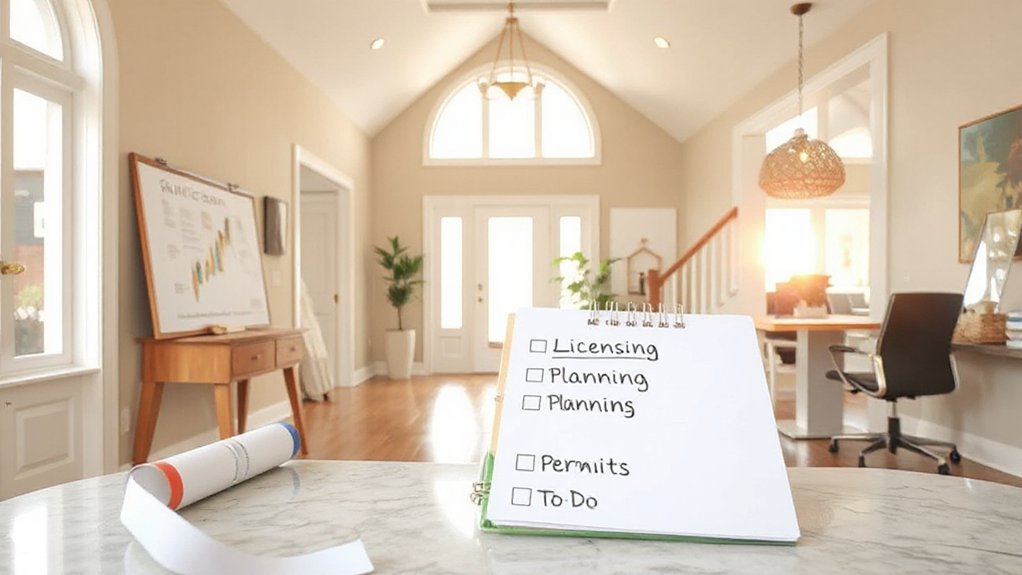
Licensing, planning, and permits aren’t optional hurdles—they’re the backbone of a compliant HMO. You’ll establish a defensible operating framework by confirming licenses early, aligning them with your property type, and mapping submission timelines to avoid delays.
Planning considerations matter just as much as aesthetics: council policies, density limits, and permitted occupancy shape what you can legally rent. You should document required permits for fire safety, waste management, and access, then build a checklist that tracks renewals and condition changes.
This isn’t guesswork—it’s data-informed risk management. In parallel, integrate tenant screening into your compliance plan so screening standards support safety, neighborhood fit, and lease terms.
Prioritize clear, enforceable policies that translate into predictable occupancy and stable cash flow.
Structural, Plumbing, and Electrical Readiness Check
Before you plunge into conversions, run a structural, plumbing, and electrical readiness check to prevent costly surprises later. You’ll want a practical, design-driven baseline you can trust, built from a Structural assessment and a thorough plumbing inspection.
This isn’t guesswork—it’s data-informed scoping that guides layout, budget, and timing.
- Assess load-bearing capacity and timber rot to avoid structural failures.
- Inspect plumbing stacks, drainage, and water supply for leaks and efficiency.
- Evaluate electrical panels, circuitry, and safety systems for compliance and future demand.
- Identify necessary upgrades or reinforcements, aligning with use-case and tenants’ needs.
Future-Proofing: Adapting for Diverse Tenants
You’ll size your HMO for flexible tenant demographics, balancing shared spaces with private lives to maximize appeal and occupancy. This means designing adaptable unit layouts and fixtures that can morph with evolving needs, guided by data on household types and demand trends.
Stay compliant across a range of regulations to future-proof the asset while keeping modules modular and scalable.
Flexible Tenant Demographics
To future-proof your HMO, design your space and policies around a range of household types and life stages, from single professionals to families and shared living arrangements, so the property remains attractive as demographics shift. You’ll benefit from flexible layouts, smart storage, and adaptable shared spaces that scale with tenant mix.
Key actions include:
1) Prioritize versatile common areas that support study, work, and relaxation.
2) Implement modular furnishings and removable partitions for lease flexibility.
3) Build in scalable utilities and zoning to accommodate varied occupancy.
4) Use data-driven tenant profiling to anticipate demand shifts and adjust pricing.
This approach strengthens tenant diversity and resilience, reduces vacancy risk, and enables rapid adaptation to market changes.
Adaptable Unit Designs
Use adaptable unit designs to create zones that scale: compact studios for singles, micro-1-bed options for couples, and adaptable studios for live/work tenants. Prioritize clear circulation and daylight, so changes feel intentional rather than retrofit.
Favor durable, easy-to-clean finishes and pre-wired smart controls that support different layouts without rework. Incorporate modular furniture and built-in storage to maximize perceived space and reduce clutter.
Creative interior layouts should preserve privacy while enabling social interaction, guided by data on usage patterns to optimize heat, acoustics, and energy efficiency.
Regulatory Compliance Range
Regulatory compliance isn’t a checkbox to tick after planning; it’s a design constraint that should steer decisions from the start. You’ll address variability in tenant needs by embedding flexibility into layout, services, and safety measures, guided by regulatory compliance and legal considerations.
This approach minimizes retrofit costs as rules evolve and markets shift.
- Map local occupancy, fire, and safety codes to determine scalable bedroom counts and communal spaces.
- Prioritize adaptable access, signage, and amenities that meet diverse needs without triggering costly redesigns.
- Build a data-informed compliance checklist, updating it with amendments and recent rulings.
- Align procurement and contractor practices with current standards to future-proof your conversion and reduce risk.
Utilities, Energy Efficiency, and Operating Costs
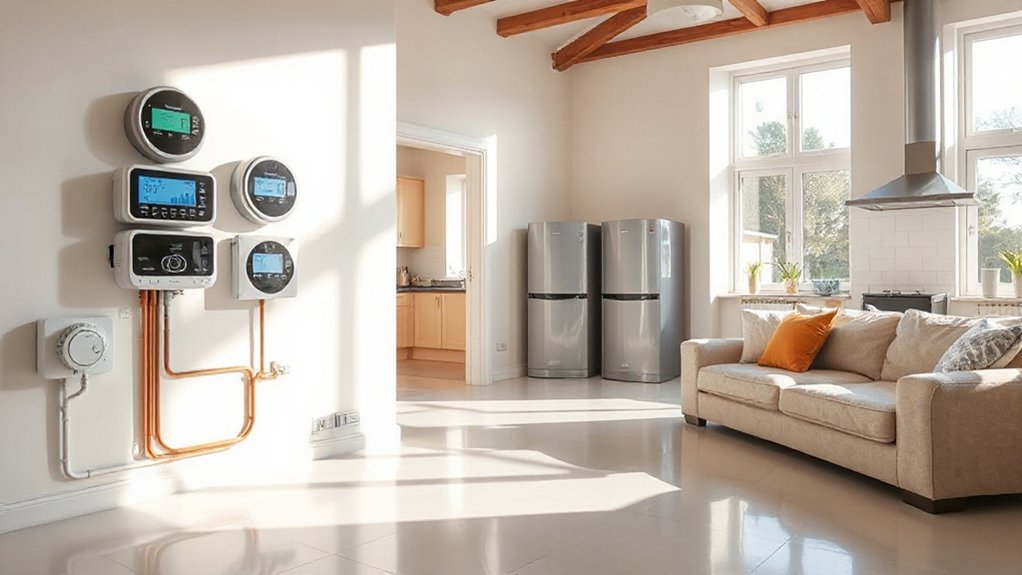
Are utilities, energy efficiency, and operating costs the hidden deal makers when converting a property into an HMO? You’ll assess demand for space alongside running costs, prioritizing systems that scale.
Start with utilities management: separate metering, smart thermostats, and robust insulation reduce waste and disputes between tenants.
Then quantify energy performance using real data from comparable HMOs—look at heating, cooling, and hot water use per bedroom to forecast bills.
Energy conservation isn’t just about savings; it shapes tenant expectations and retention.
Favor design choices that minimize consumption without sacrificing comfort: high-efficiency boilers, A-rated appliances, and airtight envelopes.
Combine upfront upgrades with predictable maintenance schedules to stabilize operating costs, enabling accurate yield projections and smarter property selection.
Refurbishment Budget Ranges for HMOs
When planning an HMO refurbishment, your budget should align with the scale of space needs, expected occupancy, and the quality you want to command in the market. You’ll balance baseline costs with value-adding upgrades, factoring in lifecycle and maintenance. Focus on durable finishes, compliant kitchens, and reliable safety systems to protect your yield.
- Core systems upgrade: plumb, electrical, heating, and ventilation
- Aesthetic considerations: doors, finishes, lighting, and color schemes
- Historical preservation: retain character where possible while meeting modern standards
- Contingency and lifecycle planning: allocate 10–15% for unforeseen issues
Use data-informed benchmarks from comparable HMOs, and tier your spend by room function to maximize occupancy appeal and long-term profitability.
Early Red Flags to Flag Before You Buy
Before you pull the trigger on a buy, scan for early red flags that can torpedo profitability down the line. Start with neighborhood history: look for trends in vacancy, crime, and school quality, not just a pretty façade. A rising but affordable area can invert quickly if employment or amenities collapse.
Next, assess architectural style for conflicts with code, permits, or conversions; quirky layouts or historic protections can drive costly revisions. Check parcel and setback rules that limit extensions or room counts, and verify interference from neighboring properties that could spark disputes or dampen demand.
Inspect lead times for renovations tied to the building’s age, and confirm material availability and pricing volatility. These upfront checks anchor design decisions and keep project deliverables realistic.
Financial Metrics: Rent, Yield, and Cash Flow Benchmarks

Rent, yield, and cash flow aren’t abstract goals—they’re the quantifiable levers you’ll use to decide if an HMO makes sense. You’ll benchmark against realistic operating costs and rent traps, then translate them into actionable targets.
Focus on how property aesthetics and landscaping features impact occupancy and premium rent.
- Set rent benchmarks by unit type, factoring market comps and care levels for shared spaces.
- Calculate gross yield from expected rent minus vacancy, maintenance, and management fees.
- Map cash flow after debt service to ensure residuals cover capex and future upgrades.
- Validate sensitivity: test how small rent shifts or capex spikes affect returns and hold periods.
Exit Strategy: When HMOs May Not Suit You
You’ve modeled rent, yield, and cash flow, but at some point HMOs aren’t the right fit for everyone, and recognizing that early protects your capital. If market signals tilt toward volatility, or you value long-term liquidity over operator risk, reconsider HMO exposure before committing.
Exit thinking should be data-informed, not reactive. Assess alternatives with equal rigor: single-family holds, leased-to-service providers, or mixed-use adaptables. In practice, plan for property aesthetics and landscaping design as part of your pivot—strong curb appeal preserves value even when use changes, and low-maintenance landscapes reduce ongoing costs.
Build an objective checklist: demand cycles, regulatory shifts, utility costs, and capital recovery timelines. When indicators trend unfavorable, reallocate toward flexible formats that sustain net returns without overcommitting capital.
30-Minute Due Diligence: A Quick Property Eval
Minute due diligence is a brisk, design-informed screen you run to gauge a property’s fit for conversion or holding, using sharp, data-backed checks rather than gut feel. You’ll scan form, function, and flow, prioritizing practical design signals over cosmetic bliss.
- Assess overall layout: space efficiency, room counts, and potential HMO bedspaces.
- Check Property aesthetics and landscaping aesthetics: curb appeal, exterior upkeep, and outdoor usability.
- Inspect structural health: roof, foundations, moisture, and systems viability.
- Verify compliance: licenses, planning hints, and potential retrofit costs.
This quick eval keeps you grounded in data, not daydreams, guiding decisions on value, resilience, and appeal. You’ll pair visuals with cost proxies, ensuring the property meets both design intent and investor metrics.
5-Point Property Scorecard for Fast Decisions
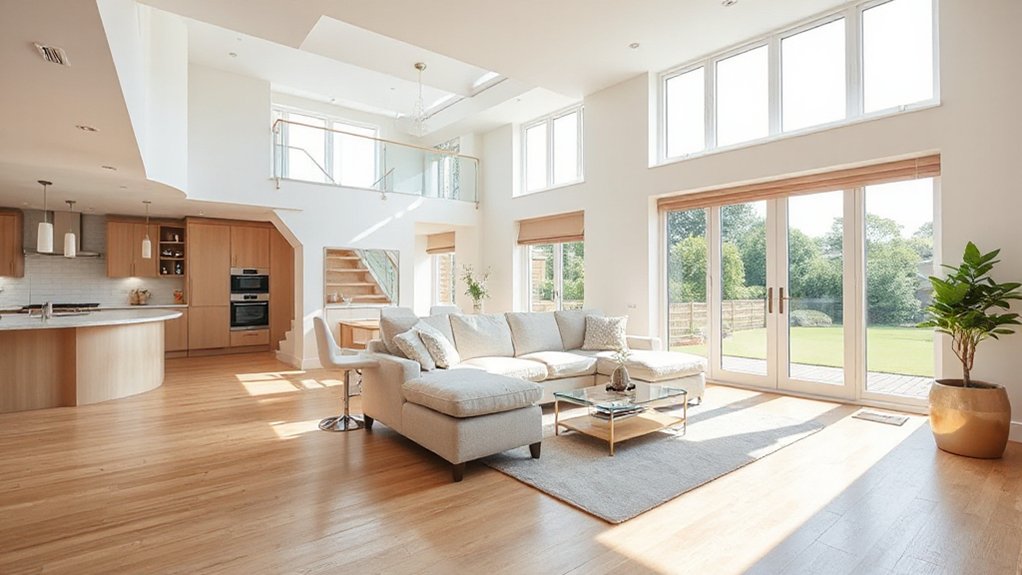
To decide fast, use a Point Property Scorecard that distills critical fit signals into a single, actionable readout. You’ll score key dimensions: location value, layout flexibility, utility access, and scale potential. Each signal gets a weighted value so you see where a property truly aligns with your HMO strategy.
Track property aesthetics to gauge room for improvement and resident appeal, not just raw square footage. Verify legal documentation upfront—title checks, licensing eligibility, and covenant constraints—to flag showstoppers early.
Use a simple pass/fail threshold and a pre-defined target score to avoid analysis paralysis. The scorecard should guide you toward fast, confident decisions while preserving design integrity, compliance, and operational viability.
Integrate data sources, keep notes streamlined, and revisit scores after initial due diligence.
Frequently Asked Questions
How Long Is the Typical HMO Licensing Approval Process?
Typically, the HMO licensing approval takes 6–12 weeks, depending on local council workload. You should base your timeline on property valuation and market research, ensuring designs meet standards; document permits early to avoid delays and align with market needs.
What Are Common Hidden Renovation Costs for HMOS?
Hidden costs lurk like drafty corners; renovation surprises await your plans. You’ll spot them with careful budgeting, data-informed checks, and design-driven foresight, so you avoid overruns, account for permits, and keep your HMO on track.
Which Tenant Demographics Optimize Occupancy in a New HMO?
Tenant preferences and demographic trends suggest you optimize occupancy by tailoring layouts, amenities, and rent bands to target groups, such as professionals and small families, while monitoring vacancy data and adjusting accordingly for consistent demand.
How Does Rent Rate Variance Affect HMO Profitability?
Rent fluctuations directly influence profitability: when rents rise, you boost margins; when they fall, you tighten controls. Track Market trends, model scenarios, and adjust pricing, lease terms, and capex to sustain durable cash flow and competitive occupancy.
What Warranty Protections Cover Major HMOS Post-Conversion?
Warranty coverage varies, and you’ll want solid post conversion protections. You get manufacturer warranties for fixtures, structural guarantees, and builder warranties, plus landlord-tenant protections. You assess data, document defects, and pursue timely claim submissions for ongoing reliability.
Conclusion
You’ve learned what makes a property HMO-ready, from demand signals to layout optics and cash-flow checks. You’ll trust data, not vibes, and sketch efficient bedroom mixes, shared spaces, and lease structures that scale. With a 30-minute due-diligence mindset, you’ll spot red flags before they bite. If the numbers sing and the location tolerates occupancy, you’re set. But will the fit prove durable once tenants arrive and markets shift? Trust your design-informed gut, then test the math.