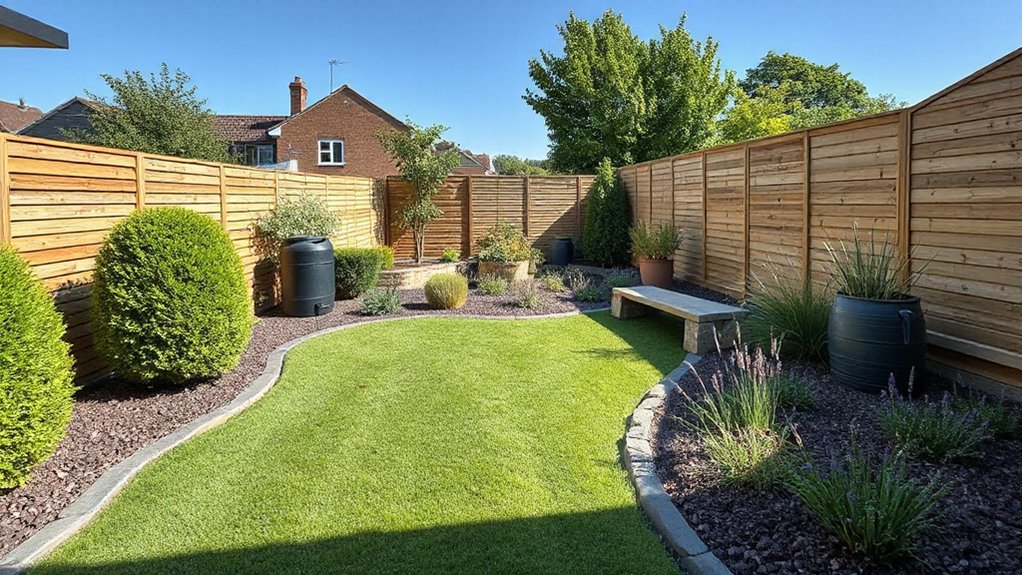
Discover UK-friendly, low-maintenance landscaping by targeting hardy, drought-tolerant perennials and robust shrubs that shrug off our weather. Start with smart soil prep—test pH, amend, mulch—and choose native or climate-resilient species to cut replacements. Plan planting for sun, drainage, and microclimates, grouping plants with similar water needs. Use groundcovers and compact shrubs to suppress weeds, add mulch paths, and install simple drip irrigation. With routine, repeatable care, you’ll enjoy a thriving garden year-round—more tips await.
Identify UK Planting Zones for Low-Maintenance Gardens
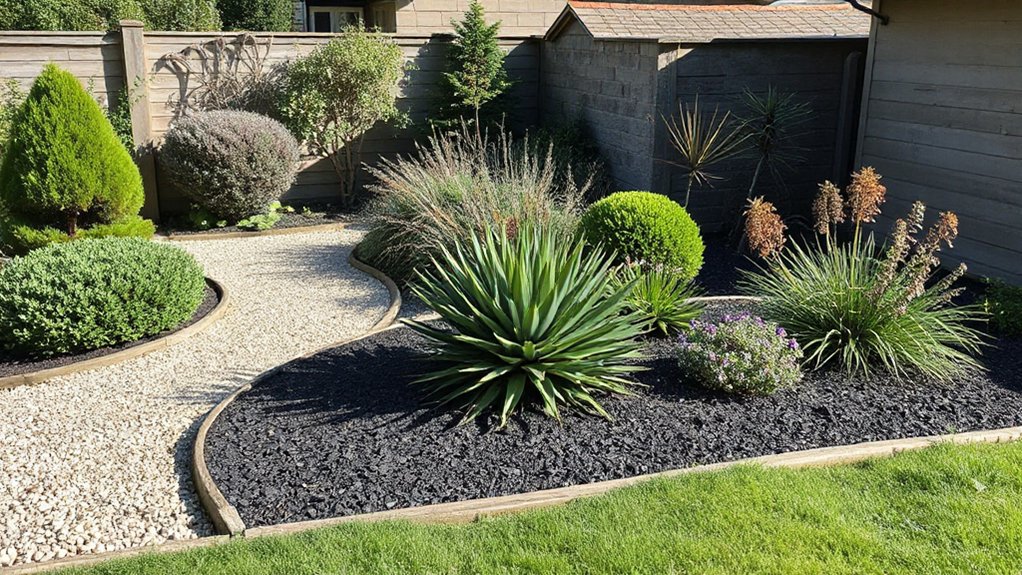
Understanding UK planting zones helps you choose hardy, low-maintenance plants that survive seasonal stresses with minimal care. You’ll map zones by frost dates and microclimates around your property, then align selections to that resilience. This approach keeps upkeep predictable and gardening enjoyable, rather than reactive.
Start with a simple zone plan: identify average minimum temperatures, sun exposure, and soil type across beds. Choose robust, climate-appropriate species first, reducing replacement needs.
For low-maintenance appeal, integrate native grasses that tolerate UK conditions and require little irrigation or feeding. Plan for wildlife habitats by including flowering edges and sheltering grasses to sustain pollinators and birds with minimal effort.
This method guides you toward durable borders, fewer pests, and longer intervals between maintenance sessions.
Choose Drought-Tolerant Perennials for UK Weather
Drought-tolerant perennials are your best allies for UK conditions, delivering reliable color and texture with minimal watering. To choose well, focus on species proven to withstand dry spells and wet cycles alike, adapting to UK climate patterns without constant care.
Prioritize native or well-established garden varieties, as they usually require less intervention and resist local pests. Consider plants with deep root systems, waxy leaves, or reduced leaf surface area to conserve moisture.
Group drought-tolerant perennials in sunny, well-drained spots and mulch to preserve soil moisture. Pair them with complementary textures—grasses, potentillas, and salvias—for year-round interest.
Regular late-season pruning helps maintain shape and vigor, while occasional summer watering during extreme heat supports steady performance. This approach supports robust UK climate adaptation.
Hardy Shrubs That Thrive With Minimal Care
You’ll discover shrubs that tolerate dry spells, thrive with little intervention, and still look deliberate in UK gardens.
We’ll map out low-maintenance planting schemes, so you get steady structure without constant tweaks.
We’ll also cover seasonal care basics to keep these hardy shrubs performing year-round.
Drought-Resistant Shrubs
Look for compact forms, reduced pruning needs, and strong root systems that resist heat stress. Follow xeriscaping principles by grouping drought-tolerant plants in sun-soaked zones and layering with mulch to minimize evaporation.
Choose shrubs that bloom or foliage-brighten across seasons for year-round structure. Pair with drought-tolerant groundcovers to stabilize soil, suppress weeds, and extend moisture-saving benefits without extra effort.
Prioritize materials and textures that reflect your site’s light and wind patterns, ensuring low maintenance yet high visual impact. Regularly assess soil moisture and adjust irrigation only if prolonged dryness returns.
Low-Maintenance Planting Schemes
If you want hardy shrubs that thrive with minimal care, you’re aiming for plantings that combine drought resistance, compact form, and dependable seasonal interest.
Low-maintenance planting schemes rely on sturdy, low-fuss choices that fit UK soils and climates. Choose shrubs that deliver year-round structure, require minimal pruning, and tolerate dry spells without compromising appeal. Incorporate crowd-pleasing evergreen options for winter interest, and mix in a few flowering performers to sustain garden art and wildlife habitats throughout the year.
Keep paths clear, mulch deeply, and situate plants in sunny or lightly shaded spots where they’re least stressed.
- Buxus sempervirens screen with textured, drought-tolerant companions
- Hylotelephium (Sedum) borders that attract pollinators
- Potentilla fruticosa for long-lasting bloom and wildlife value
Seasonal Care Basics
Seasonal care is all about right timing and minimal fuss: hardy shrubs that survive UK conditions thrive when you match light, pruning, and feeding to the season rather than chasing perfection.
You’ll group plants by sun exposure and drought tolerance, then tailor care steps accordingly.
In spring, prune lightly to maintain shape and remove weak growth, using clean Gardening tools to prevent disease.
Summer calls for deep watering at roots, mulch to conserve moisture, and a light feeding if growth slows.
Autumn focuses on preparing for dormancy: cut back dead growth, protect tender varieties, and tidy borders.
Winter is maintenance downtime, not neglect—check for exposed roots, sharpen tools, and review planting gaps for next season’s tweaks.
Consistent Plant care habits cut effort and boost resilience.
Soil Prep Basics for Low-Maintenance Borders
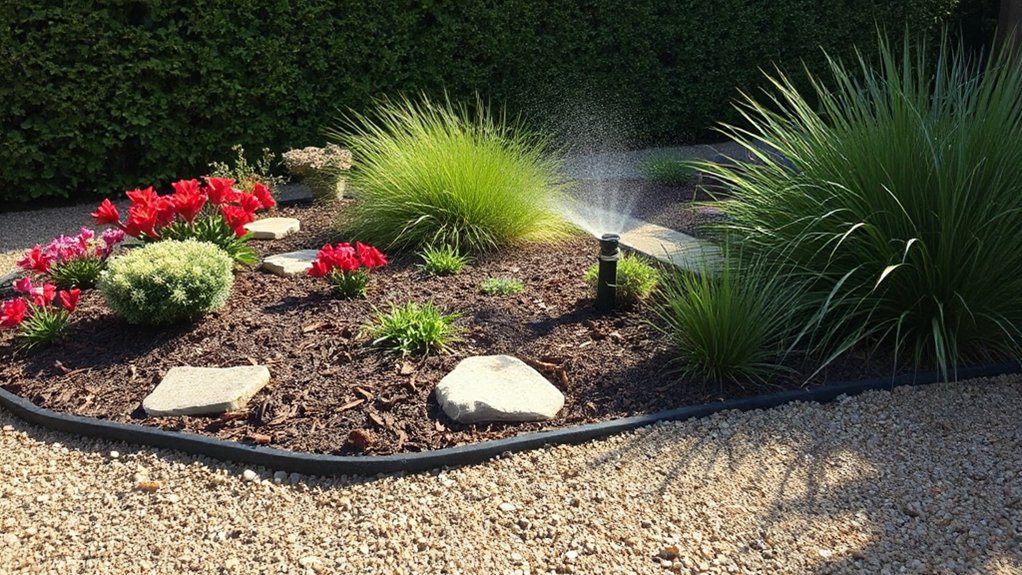
Soil prep is the foundation of low-maintenance borders, and getting it right now saves you work later. You’ll get durable, weed-light borders by evaluating your soil and addressing its quirks before planting.
Begin with soil testing to determine pH and nutrient levels, then tweak as needed. Use compost layering to improve structure and fertility without heavy lifting later on. Spread a thin, even layer of well-rotted compost to feed roots and improve moisture retention, then top with a mulching layer to suppress weeds.
- Test, amend, and record results to guide ongoing care
- Apply compost layering evenly for uniform benefits
- Choose hardy, drought-tolerant selections suited to your soil type
Smart Planting Combinations to Cut Upkeep
Pair drought-tolerant plants and natives for low upkeep, so your borders stay colorful with minimal effort. Consider pairing drought-tolerant species with compatible natives to boost resilience and reduce irrigation needs.
For groundcover, mix low-water options that create weed suppression and steady moisture retention, cutting overall maintenance.
Drought-Tolerant Plant Pairings
When you combine drought-tolerant plants that complement each other, you reduce watering needs and maintenance while still delivering color and structure. Pair textures and forms to create year‑round interest with minimal effort.
Use a mix of low‑water groundcovers, compact shrubs, and drought‑tolerant trees to anchor borders and provide height without crowding. Group plants with similar water needs to avoid overwatering or drying out sections.
Apply mulch to conserve moisture and suppress weeds, and choose species that thrive in UK conditions while reflecting xeriscaping principles. Favor hardy, sun‑loving varieties that resist drought stress, and keep reservoirs or rain barrels nearby for occasional supplements during extreme heat.
This streamlined approach keeps upkeep low and aesthetics high.
- Combine contrasting textures for depth and interest
- Plant in drifts with repeat patterns to minimize gaps
- Include drought‑tolerant trees for vertical structure and shade
Native-Plant Synergy Suggestions
Native plants can work in harmony with drought-tolerant species to slash upkeep while boosting resilience. You’ll create smart plantings that reduce irrigation needs and simplify maintenance by grouping compatible natives with tough survivors.
Focus on structural balance: pair a tall, wispy native with a low, robust drought-tolerant understory to foster ecological balance and steady soil moisture. Choose overlapping bloom windows to attract pollinators without frequent redesigns, and layer textures to suppress weeds naturally.
Prioritize local provenance to improve adaptability and disease resistance. Then rotate focal points seasonally with minimal work.
Maintain soil health with compost and mulch rather than heavy feeding. By embracing native plant synergy, you craft a resilient, low-effort landscape that thrives in UK conditions and supports local ecosystems.
Low-Watering Groundcover Combos
- Drought tolerant groundcovers like thymes and creeping junipers form dense mats that shade soil.
- Low water plant combinations pair sedums with hardy perennials for seasonal interest and reduced watering.
- Groundcover mixtures that tolerate drought plus light foot traffic keep paths neat with less care.
Choose combinations that share soil type and moisture needs to maximize water savings and weed suppression.
Ground Cover Options That Suppress Weeds and Save Water
Ground cover is a smart, low-maintenance solution for busy UK gardens, because it suppresses weeds and cuts water use. You’ll pick low-growing options that form a dense mat, reducing bare soil where weeds can take hold.
Consider artificial turf for a reliable, evergreen ground cover that needs no mowing and minimal upkeep, especially in high-traffic zones.
Pair it with pest resistant plants to create variety without inviting pests or extra care. Look for native or well-adapted species that spread gradually and tolerate shade or drought, depending on your site.
Establishment matters: prepare soil, mulch lightly, and water deeply until roots take hold.
Choose blends that complement your climate, then enjoy year-round coverage with minimal maintenance.
Mulching Strategies for UK Gardens That Reduce Maintenance
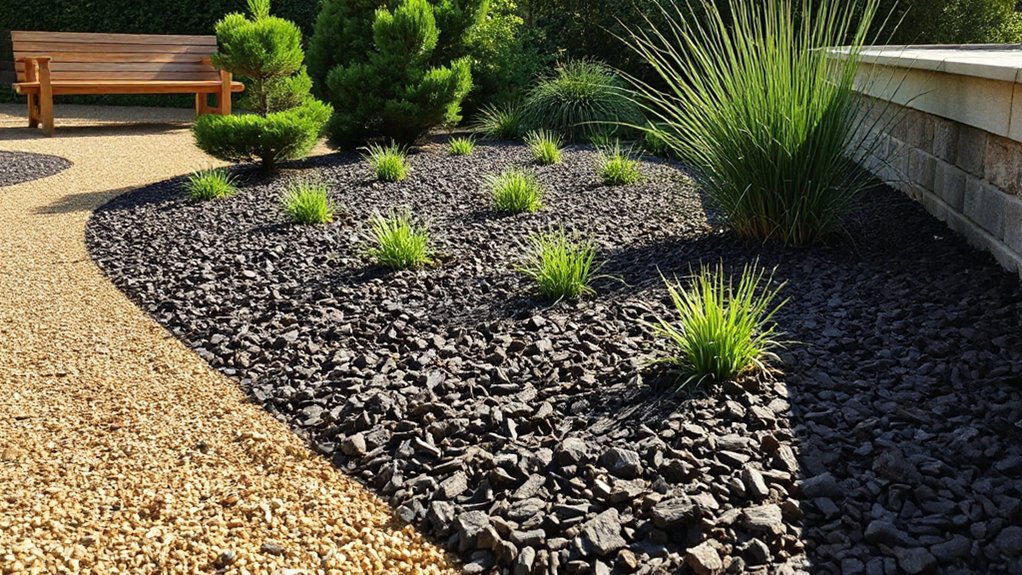
Mulching is one of the simplest, most effective ways to cut upkeep in UK gardens. You’ll save time and water by protecting soil, reducing weed growth, and moderating temperature swings. Choose mulches based on your beds and climate, then apply correctly to maximize benefits.
You’ll notice better moisture retention and healthier roots with the right barrier, yet avoid piling mulch against stems to prevent rot. Mulching techniques vary, but the goal is a uniform blanket about 5-8 cm thick for most situations.
Organic mulch benefits include improved soil structure, slow nutrient release, and microbial activity that supports plant health. Keep an eye on breakdown rates and replenish as needed to sustain low maintenance.
- Organic mulch benefits
- Mulching techniques
- Bed-specific depth and refresh schedule
Budget-Friendly Irrigation Setups for Small Plots
If you’re setting up irrigation for a small plot, start with drip irrigation basics to minimize waste and evaporation. You’ll want a simple layout that covers beds and containers.
Plus, a tight budget by choosing affordable emitters and timers. Let’s discuss how these budget-friendly systems can fit your space, needs, and UK climate.
Drip Irrigation Basics
Drip irrigation is a smart, budget-friendly way to water small plots without waste. You’ll set up a simple network that releases water slowly at the root zone, reducing evaporation and runoff.
Start with a basic emitter spacing plan, then run tubing along beds or around containers for targeted delivery. Use a timer to schedule automatic watering, and adjust based on plant needs and weather.
Check connections regularly to prevent leaks, and keep filters clean to maintain steady flow. This approach suits UK gardens when paired with soil moisture checks, so you don’t overwater or underwater.
Pair with mulch to improve efficiency and protect the soil.
- Key setup steps: choose emitters, lay tubing, attach a timer
- Maintain soil moisture targets with simple checks
- Troubleshooting tips for leaks and clogs
Budgeting Tiny Irrigation Systems
Tiny irrigation systems don’t have to break the bank. You can budget smartly by sizing the system to your plot, prioritising zones, and selecting affordable, reliable components. Start with a basic controller, a handful of drip emitters, and rated tubing; you can upgrade later if needed.
Prioritise water conservation by grouping plants with similar water needs and keeping mulch high to reduce evaporation. Choose drip irrigation over sprinklers for efficiency and lower risk of waste, especially in windy UK conditions.
Reuse poly fittings and avoid over-engineering; simplicity reduces maintenance costs. Estimate parts, add a small contingency, and compare DIY kits versus professional installs.
Plan for seasonal adjustments, and always monitor for leaks or clogs to protect your investment.
Pest- and Disease-Resistant Plantings for Low Maintenance
Choosing pest- and disease-resistant plantings is a smart way to cut maintenance, especially for busy UK homes. You’ll reduce inputs and avoid frequent interventions if you select resilient varieties suited to local conditions.
Focus on species with strong disease resistance, good airflow, and pest deterrence, and place them where stresses are minimized.
Practice pest prevention by inspecting new plants, isolating them briefly, and choosing certified stock.
For disease management, implement proper spacing, mulching, and timely pruning to maintain plant vigor.
Use native or well-adapted cultivars to strengthen ecosystem compatibility and resilience.
- Choose disease-resistant varieties and hardy natives
- Improve airflow, spacing, and soil health to deter pests
- Monitor regularly and apply targeted, minimal interventions
Seasonal Planting Calendar for Busy UK Homeowners
A seasonal planting calendar helps you stay on top of garden tasks without feeling overwhelmed, especially in the UK’s variable climate. You’ll map a steady rhythm: spring tasks focus on establishing structure, summer emphasizes maintenance, autumn winds down, and winter offers planning.
Build a simple planting schedule that fits your space, sunlight, and water habits, so you avoid peak busy periods with predictable care. Prioritize evergreen foundations and a few color accents you can rotate.
Use practical triggers—after a frost date, after rainfall, or when soil dries to a certain depth—to time jobs reliably.
Include seasonal pruning for shrubs and perennials to maintain shape and essential health.
Keep a concise checklist, review quarterly, and adjust plantings based on performance and weather patterns.
Noise-Free Mowing and Lawn Alternatives That Look Polished
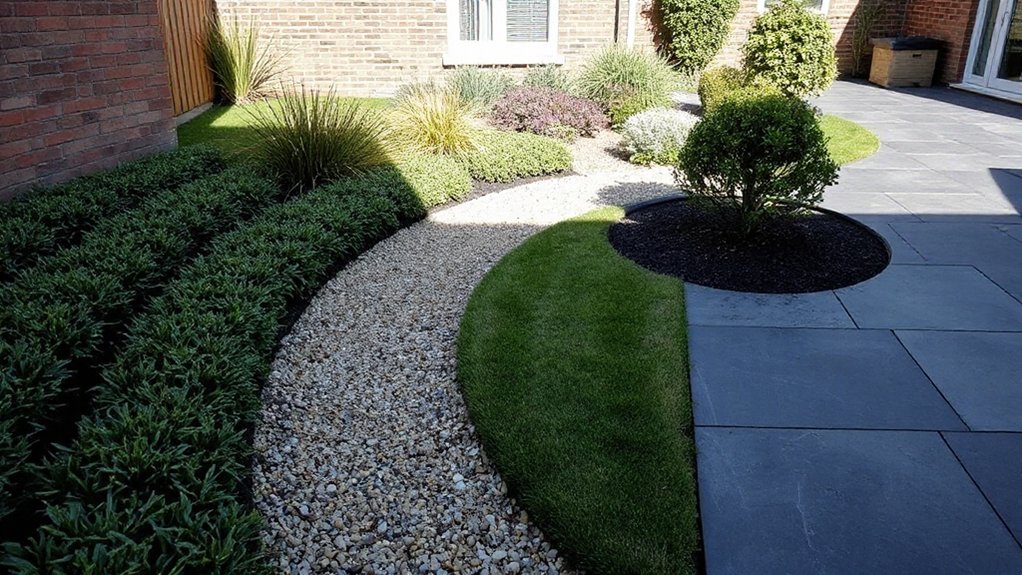
There are strong options beyond noisy lawnmowers that still give you a polished, low-maintenance look. You can achieve a quiet lawn by choosing turf alternatives and careful planting.
Consider alternative groundcovers that stay neat with minimal care, such as low-growing species that tolerate UK conditions. A tidy, defined border helps keep the space looking intentional rather than wild.
Plan for regular edging and selective pruning to maintain crisp lines without loud equipment.
- Quiet lawns using dense groundcovers that reduce mowing needs
- Alternative groundcovers with year-round colour and texture
- Edging, mulching, and occasional top-ups to preserve a pristine appearance
Low-Maintenance Hardscaping Ideas That Stay Tidy
If you want a tidy outdoor space with minimal upkeep, hardscaping offers reliable structure that stays neat with less effort. You’ll prioritise solid, low-maintenance materials that resist weather and wear, reducing ongoing fiddling and repairs.
Choose compact, uniform pavers or natural stone with consistent grading to guide water away and limit weed growth underfoot. Decorative pathways create clean sightlines, guiding movement without inviting clutter.
Opt for sealed or grouted joints to deter dirt and moss, and select permeable surfaces to manage rainwater while staying easy to clean.
Garden furniture should be sturdy, weatherproof, and easy to wipe down, so you spend less time maintaining and more time enjoying.
Keep edging tight and borders crisp for a consistently tidy look.
Year-Round Colour Ideas That Are Easy to Maintain
Year-round colour is about choosing hardy, glow-rich options that require minimal upkeep. You’ll want low-maintenance plant picks and smart pairings that bloom across seasons without heavy pruning or frequent feeding.
Start with reliable perennials and evergreen foliage to keep interest consistent while you keep maintenance to a minimum.
Year-Round Colour Tips
Ever thought you could have constant color in your garden with minimal effort? Year-round colour tips keep your space vibrant without constant upkeep. Choose robust, low-maintenance perennials and evergreen shrubs that shift hues through the seasons, ensuring visual interest even in dull months. Pair bold foliage with small, repeated blooms for continuity.
Use durable containers and weather-resistant finishes to protect colour accents year-round. Consider backdrop hues on boundary walls to reflect light and extend color perception, not workload. Plan seasonal touches that are easy to swap, like seed ribbons or decorative pots, instead of full bed renovations.
Align colour with a simple, recurring garden furniture setup and keep flower arrangements neat for effortless cohesion.
- Choose long-lasting perennials and evergreen shrubs
- Alternate bloom colours with subtle evergreen accents
- Maintain a consistent garden furniture palette
Flower arrangements, Garden furniture
Low-Maintenance Plant Picks
Finding the right plants that stay beautiful with minimal care is your best bet for a practical, low-maintenance UK garden. You’ll gain year‑round colour by choosing hard-wearing performers that thrive on neglect and light pruning.
Opt for species with mildew resistance and compact growth habits, so you never fight sprawling growth. Groundcovers and grasses provide texture and colour without frequent feeding. Incorporate wildflower meadows for seasonal interest and natural pollinator support, cutting mowing to a minimum while letting bulbs and perennials fill gaps.
Use vertical gardens to maximise space and reduce maintenance, especially on shady walls or balconies. Plan borders with evergreen structure, layer textures, and group like‑mavourites together for efficient maintenance and immediate impact.
Soil Health Practices That Reduce Ongoing Work
Healthy soil cuts maintenance. You’ll keep beds healthier with a few simple soil health practices that pay off long term. Focus on core tasks you can repeat seasonally, not daily scrambles.
Prioritise soil aeration and pH testing to prevent compaction and nutrient lockups, then correct imbalances with targeted amendments. Build a lightweight, organic foundation that feeds life in the root zone.
Mulch generously to conserve moisture and suppress weeds, reducing weeding time. Rotate beds or chart a simple cover-cropping plan to preserve soil structure between plantings.
Use slow-release feeds to avoid feeding problems later. The result is a resilient garden that needs less intervention, more drought tolerance, and steadier yields from year to year.
- Soil aeration
- pH testing
- Mulching and organic matter management
Container Planting You Can Forget for Weeks
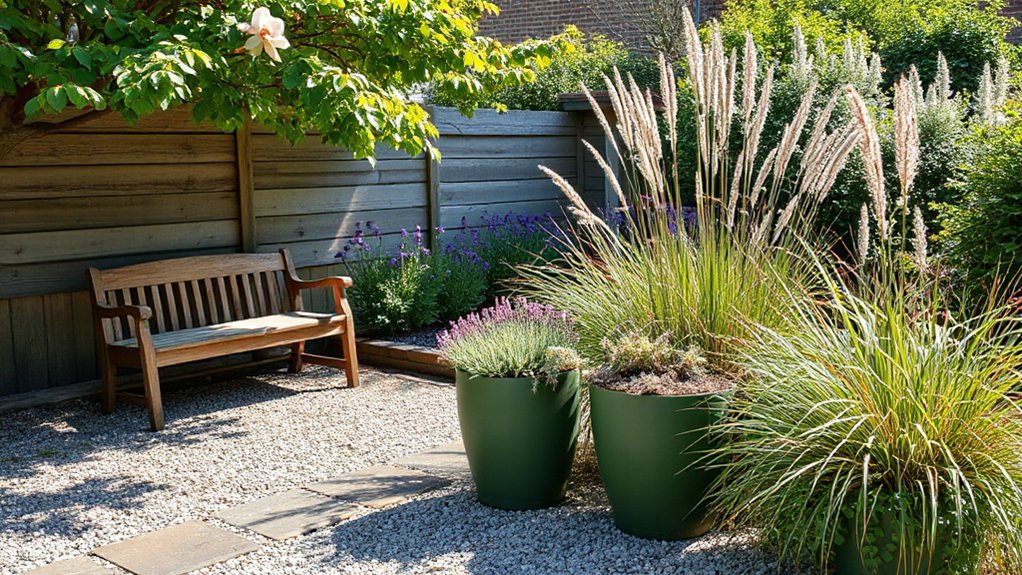
Container planting is deceptively simple: choose robust, self-sufficient varieties, use a high-quality container with good drainage, and water efficiently so you rarely have to tinker weekly.
You’ll select performers that resist drought and tolerate UK weather swings, such as drought-tolerant herbs, coastal grasses, and compact perennials. Position containers for sun and wind protection, grouping them to reduce maintenance and simplify watering.
For soil, opt a well-draining mix with slow-release fertilizer to sustain weeks of growth. Set up a simple irrigation routine: a soak-and-sip approach with a moisture meter, and use a drip line or capillary mat to minimize daily checks.
This reduces container forgetfulness and supports Weekly watering on autopilot, so you stay productive without sacrificing plant health. Regular brief inspections prevent issues from spiraling.
Budget-Friendly Planting Plans for Small UK Plots
Smart budgeting can still yield a lush, functional small UK plot with plant lists that maximize impact per square foot. You’ll prioritise low-cost, high-value choices, grouping perennials for year-round structure and seasonal bursts. Focus on plants that tolerate UK conditions and require minimal input, such as foliage interest and drought resilience.
Seed packets, plugs, and division from existing stock stretch your budget further, while native species support local pollinators. Plan compact layers: groundcover, low perennials, and vertical accents to maximise space. For visual appeal, mix textures and subtle colours, then add a few focal points to draw the eye.
- Wildflower meadows as inexpensive, low-maintenance patches
- Vertical gardening with trellises and pocket planters
- Reusable containers and layered planting schemes
Quick Guide to Sunlight, Drainage, and Microclimates
Sunlight, drainage, and microclimates are your quietly powerful allies in a busy garden—get these right, and your plants flourish with less effort.
To begin, map Sunlight patterns across your plots at different times of day and seasons. Note which beds stay bright, which stay shaded, and where late-evening sun lingers.
Good drainage means slower, steadier moisture delivery; add organic matter or elevate beds where water pools.
Microclimate effects matter: a south-facing wall can bake heat, a sheltered corner reduces wind stress, and a gravel path drains quickly but warms surrounding soil.
Use this knowledge to group plants with similar needs, optimize irrigation, and place species accordingly.
With precise placement, maintenance becomes minimal and results stay reliably robust.
Wind and Shade Considerations for Durable Planting
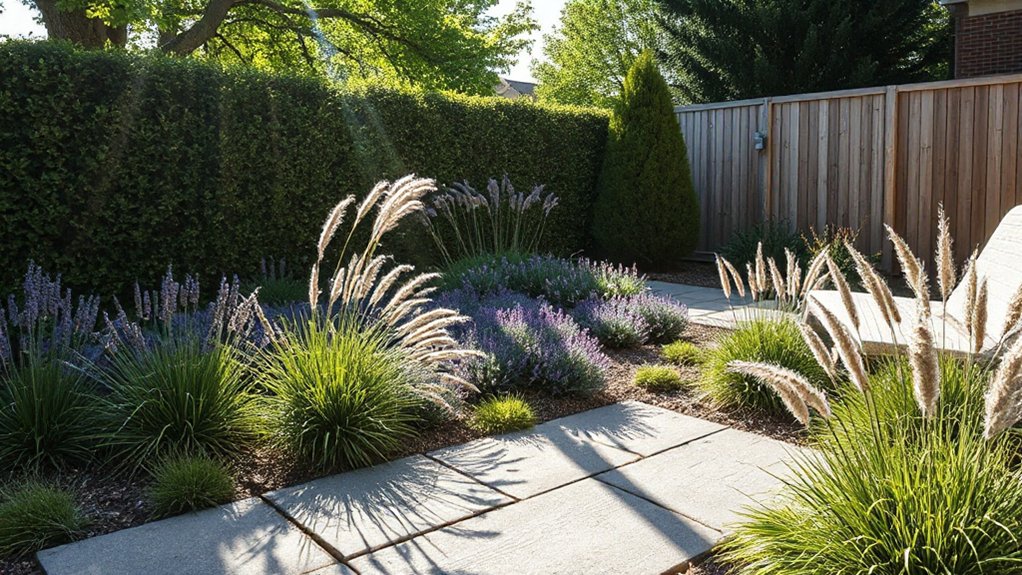
You’ll want to prioritize wind-resilient planting, choosing species and structures that stand up to frequent gusts.
In shaded areas, pair durable plants with appropriate canopies and reflective layouts to maximize growth without extra care.
Start with hardy species, plan for windbreaks, and design with climate-specific shading to keep your garden low-maintenance.
Wind Resistance Planting
Wind is a major determinant of what you can plant and how you deploy it, so start with sturdy, wind-tolerant choices and tight, sheltered placements. You want planting durability, so choose robust species and low, compact forms that resist gusts without staking. Ground cover and windbreaks reduce exposed energy, improving long-term performance and reducing maintenance.
- Select storm-tolerant varieties with strong stems and deep roots.
- Use dense, evergreen shelter belts to shield beds without overpowering them.
- Layer with low-growing groundcovers to secure soil and dampen wind.
Keep maintenance minimal by grouping plants with similar water needs and using mulch to conserve moisture. Verify root depth and plant spacing to maintain wind resistance over time.
Shaded Garden Design
Ground cover helps control weeds and lift vigor; aim for steady color with foliage and seasonal blooms. Underplanting techniques support root competition and soil health, so layer with low-growing perennials beneath taller, evergreen silhouettes.
Use mulch to conserve moisture, moderate temperatures, and reduce maintenance. Invest in robust, pest-resistant varieties and rotate understory species to avoid soil depletion.
Ensure paths and seating receive adequate shading, preserving accessibility while minimizing wind damage to delicate stems. Keep pruning minimal and precise to maintain airflow and plant durability.
Durable Species Selection
When selecting durable species for windy and shaded sites, prioritize plants with strong stems, tight branching, and compact growth habits that resist wind shear and desiccation. Choose varieties proven to tolerate low light and exposure, reducing maintenance and replacement needs.
Focus on robust root systems and drought resilience, so you stay on top of care without constant watering. Integrate wildflower selection where appropriate to boost biodiversity while keeping inputs low. Pair these with pest control-minded choices to minimize intervention.
- Wind-tolerant, drought-resilient perennials with compact forms
- Shade-tolerant natives that support pollinators and require minimal pruning
- Disease- and pest-resistant mixes that include supportive groundcovers
These selections help you maintain a resilient, low-effort border or bed across challenging sites.
Maintenance Routines That Fit School Runs and Weekends
Juggling school runs and weekend plans means your gardening routine should be quick, predictable, and effective. You want tasks that fit tight windows, not sprawling projects. Start with a morning 20‑minute block: inspect beds, prune lightly, and tidy edges.
Choose high‑impact, low‑effort routines, like a simple mulching cycle and a single irrigation check. Schedule weekly reminders for essential chores so nothing slips.
For a Garden pond, keep maintenance minimal: skimmers, automatic top‑up, and seasonal algae control, handled in one session.
Create a Wildlife habitat by leaving sparse ground cover and a few native plants that attract beneficial insects and birds, then observe wildlife while you work.
Reserve weekends for larger tasks only, preserving weekday spontaneity and consistency.
How to Audit an Existing Garden for Low-Maintenance Upgrades
To audit your existing garden for low-maintenance upgrades, start with a clear map of where you spend time and money each season. Then identify which areas require ongoing attention, and where costs recur.
Focus on simplifying plantings, reducing water needs, and selecting resilient materials. Prioritise hardier replacements that minimise upkeep, and plan for long-term ease of access, maintenance, and safety.
Consider how you currently use outdoor spaces for relaxation, dining, and storage, and flag bottlenecks or clutter that increase effort.
Finally, set measurable goals for reduced input, improved durability, and better pest control.
- Garden furniture upgrades that endure seasonal use with minimal care
- Pest control strategies that target common UK garden pests efficiently
- Plan for scalable changes to maintain low effort year-round
Frequently Asked Questions
How Long Does It Take to Establish a Low-Maintenance Garden?
It takes several seasons to establish a low-maintenance garden, depending on site conditions. You’ll need smart plant selection and adherence to design principles, then patience as roots settle, mulch reduces weeds, and irrigation routines normalize over time.
Which Maintenance Tasks Are Essential Annually?
You should perform annual maintenance like pruning perennials, inspecting for pests, and renewing mulch. Prioritize Plant selection and Pest control, adapt to seasons, and schedule soil tests; tackle drainage fixes and tool sharpenings to keep your landscape healthy.
What Budget Mistakes Commonly Increase Upkeep?
Common budget mistakes raise upkeep: you overspend on high-tech gear, neglect seasonal tweaks, and ignore long-term savings. Prioritize irrigation optimization and pest prevention, watch fixed costs, and invest in durable, low‑maintenance solutions to reduce ongoing maintenance.
Can I Convert Existing Lawn to Low-Maintenance Mulch?
Yes, you can replace your lawn with mulch. Plan a sharp changeover, remove turf, and grade soil first. Choose mulch types suited to UK conditions, monitor moisture, and mulch 2–3 inches deep for effective weed suppression.
How Do I Assess Drainage and Soil Improvements Quickly?
Like a quick pulse check, you start by testing soil and evaluating drainage. You’ll use drainage solutions and soil testing to guide quick improvements, optimize water flow, and stabilize nutrients for healthier beds in minutes. You stay practical, authoritative, streamlined.
Conclusion
You’ve got the blueprint for a low‑effort, high‑reward garden that suits a busy UK life. Start with hardy choices, clear soil prep, and smart plant pairings, then tune by sun, drainage, and microclimates. A quick audit now saves hours later, and your border will stay vibrant with minimal upkeep. One stat to note: drought-tolerant perennials can reduce irrigation needs by up to 50% in summer months, a game‑changer for busy households.