You’re tackling an older home with simple, practical upgrades that don’t break the bank. Focus on comfort, efficiency, and value, then pick upgrades that fit your lifestyle—like warm LED lighting, smart controls, tighter insulation, and timeless fixtures. You’ll see how small changes add up, while preserving character. Ready to map out a plan that fits your budget and pace? There’s a clear path, but you’ll want to weigh the options before you choose your next step.
Define Your Modernization Goal: Comfort, Efficiency, and Value
You’ll get the most from modernizing when you clearly define your goals upfront. Start by choosing your top priorities: comfort, efficiency, and value.
Comfort means practical tweaks that improve daily living, like better lighting, quieter spaces, and warmer rooms in winter.
Efficiency focuses on reducing energy waste through insulation, sealant, and smarter thermostats, so bills stay manageable without sacrificing convenience.
Value centers on features that boost resale appeal, such as durable materials, flexible layouts, and timeless finishes that age well.
Align projects with a realistic timeline and budget, so you don’t chase every trend at once.
Write down measurable targets—temperature ranges, insulation R-values, or comfort scores—to track progress and stay focused as you plan your home’s modernization journey.
Set a Realistic Budget and Feasibility for an Older Home
Set a realistic budget first by listing must-haves, nice-to-haves, and a contingency for surprises, since older homes often reveal hidden needs after work begins.
You’ll estimate costs by area: structure, systems, finishes, and permits. Gather quotes from licensed pros for critical items, then add a 10–20% cushion for unknowns.
Create a phased plan that matches your cash flow, not just your wishlist. Prioritize essential updates that unlock safety, function, and resale value, while tagging optional upgrades for later.
Build in ongoing maintenance costs and permit fees, and verify what scope changes require approvals.
Track progress with a simple spreadsheet: item, estimated cost, actual cost, and variance. Revisit feasibility weekly, adjusting timelines and goals to avoid scope creep.
Prioritize Energy-Efficient Upgrades That Matter Most
To start, focus on upgrades that deliver the biggest energy savings for your budget and climate. Start with the enclosure: seal cracks, insulate attic and ducts, and weatherize doors.
Next, target heating and cooling efficiency, choosing a high-efficiency furnace or heat pump and upgrading to a programmable thermostat.
Improve building envelope with radiant barriers or reflective insulation where appropriate.
Upgrade windows strategically only if they reliably reduce drafts and heat loss, rather than replacing all at once.
Consider efficient water heating, such as a heat-pump water heater, and low-flow fixtures to cut hot-water use.
Prioritize appliances with Energy Star labels and sensible load management.
Finally, plan a phased approach so each dollar compounds savings over time and supports comfort year-round.
Refresh Lighting and Smart Controls for Everyday Ease
Lighting and smart controls can transform daily living by making tasks easier and spaces more comfortable. You’ll start by updating a few key fixtures: replace harsh ceiling lights with warm LEDs, add dimmers, and install smart bulbs in frequently used rooms. Choose switches or hubs that work with your devices for a cohesive system.
In living areas, use layered lighting: ambient, task, and accent to adjust mood and function. For kitchens and baths, brighter task lighting improves safety and precision.
Smart controls let you automate routines, like waking lights at sunset or turning off all lights from a single app. Prioritize reliability and obvious benefits, not complexity, so upgrades feel seamless and practical.
Keep cables organized and calibrate color temperature for consistency.
Upgrade Windows and Insulation for Year-Round Comfort
Upgrading windows and insulation makes your recent lighting upgrades feel even more effective by locking in comfort and efficiency. You’ll notice warmer summers and cooler winters because high-performance panes reduce heat transfer and drafts. Choose double- or triple-pane windows with low-emissivity coatings, and seal edges to stop air leaks.
Pair this with well-insulated walls, ceilings, and floors—targeting gaps around doors and through attic access. Add radiant barriers or extra insulation where needed to improve overall thermal resistance.
Ventilation matters, too; ensure an airtight shell but include controlled airflow to prevent moisture buildup. Lightly tinted or shaded units cut glare without sacrificing natural daylight.
This approach minimizes conditioning loads while preserving aesthetics and daylight quality.
Modernize HVAC While Keeping Style Coherent
Modernizing your HVAC without clashing with the home’s character means choosing equipment and finishes that blend with existing details. Start with a compact unit and clean lines that echo original hardware, avoiding bulky silhouettes. Select a neutral finish—bronze, brushed nickel, or matte black—that harmonizes with your trim and lighting fixtures.
Use ducts and vents that tuck neatly into soffits or ceilings, not wide grilles that shout modernization. When possible, conceal runs behind walls or in crawl spaces to preserve sightlines. Pair smart controls with simple, unobtrusive wall plates and familiar thermostats to maintain a cohesive feel.
Insulate pipes and select energy-efficient components that don’t require dramatic room alterations. Finally, coordinate fan speeds and airflow patterns to respect the space’s proportions and comfort.
Create Flexible, Tech-Ready Living Spaces
Smart, adaptable living spaces balance tech with flow, so furniture, outlets, and screens disappear into the room rather than dominate it. You design rooms that flex for daily life and guests, not just gadgets.
Choose modular furniture you can reconfigure, and ensure clear sightlines to each screen or charging hub. Install hidden or low-profile outlets, powered USB ports, and wireless charging pads in practical spots like beneath seating or inside coffee tables.
Use a cohesive color and material palette to prevent tech from feeling sharp or mismatched. Plan zones that adapt—a living area can become a reading nook, home office, or play space with subtle dividers.
Prioritize quiet electronics, organized cable management, and sound control to keep the space calm and usable.
Preserve and Restore Original Details With Modern Upgrades
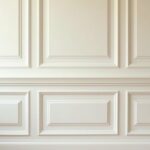
Preserve and restore the home’s character while you upgrade it for today’s needs. You’ll spotlight original details that define its personality—trim, molding, hardware—then pair them with modern efficiency.
Start by assessing what’s salvageable: windows with good glazing, doors with intact profiles, and decorative plaster. Repair cracks and stabilize framing, not replace unless necessary.
Choose period-appropriate finishes that still meet today’s standards, like low-VOC paints on restored trim and durable, slim-profile hardware.
When upgrading, conceal modern systems behind original facades or within existing cavities to maintain historic rhythm.
Refinish floors rather than cover them, preserving grain and patina.
Document changes for future owners, and avoid over‑restoration that erases character.
Remember: thoughtful upgrades enhance, not erase, the legacy you inherit.
Plan a Weekend-Wise Implementation Roadmap
To get meaningful results without disruption, map out a weekend-wise rollout that tackles high-impact upgrades first while keeping original details intact. Start with a quick survey: note wiring, plumbing, and insulation needs, then flag safety issues.
Prioritize renovations that improve comfort and energy use, like updating lighting, weather-stripping, and sealing drafts. Group tasks into Saturday and Sunday blocks to minimize downtime, and set clear finish lines for each session.
Gather necessary tools and materials in advance to avoid mid-project trips. Schedule subprojects logically—bath fixtures before paint, for example—so you don’t rework completed work.
Document progress with simple checklists and photos, and adjust the plan if access or conditions change. Finish the weekend with a clean, evaluated space, ready for the next phase.
Budget-Smart Hacks That Deliver Long-Term Savings
There are several budget-smart hacks that deliver long-term savings without sacrificing comfort or style. Start with energy upgrades that pay back, like LED lighting and programmable thermostats, then seal gaps with weatherstripping to cut drafts.
Swap dated fixtures for efficient, timeless basics to avoid frequent replacements. Prioritize insulation in key areas—attic, basement rims, and exterior walls—to reduce heating and cooling loads.
Use durable, low-maintenance materials in high-traffic rooms, and opt for repaintable surfaces over costly remodels. Leverage multi-use furniture and hidden storage to maximize space without expanding square footage.
Invest in a quality sieve, faucet aerators, and low-flow showerheads to slash water bills. Finally, plan upgrades in off-peak seasons and compare warranties to stretch every dollar further.
Conclusion
You’ve got a practical path to a fresher, more comfortable home without turning it into a renovation frenzy. By aligning goals with a realistic budget, you’ll prioritize the upgrades that matter—energy efficiency, better lighting, and smart controls—while preserving charm. Add flexible, tech-ready spaces and smart storage, and keep costs low with weekend-friendly steps. With a clear roadmap and budget-smart hacks, your older home will feel modern, efficient, and inviting for years to come.