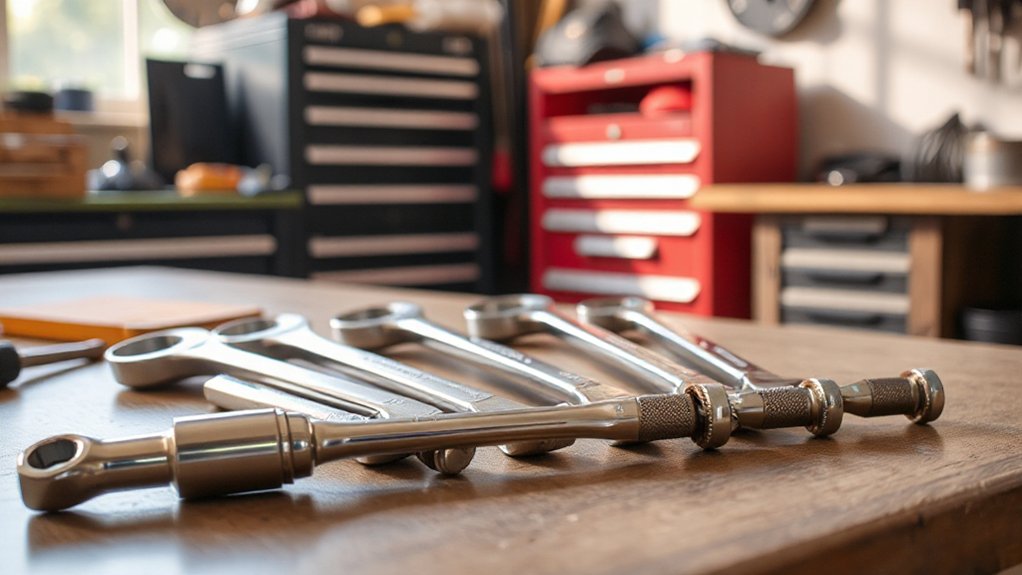
When you tackle home improvement, you’ll want a mix of stubby and full-size wrenches plus ratcheting sets for speed and reach. Popular picks include 3/8″ drive sets for most tasks, 1/2″ for heavier fasteners, and metric 8–12 mm options for plumbing and electronics. Look for corrosion resistance, ergonomic handles, and clearly labeled sizes. Choose a compact starter set you can grow from, because the right mix boosts access, torque, and precision—and there’s more to optimize.
What Makes Gearwrenches Essential for Home Projects
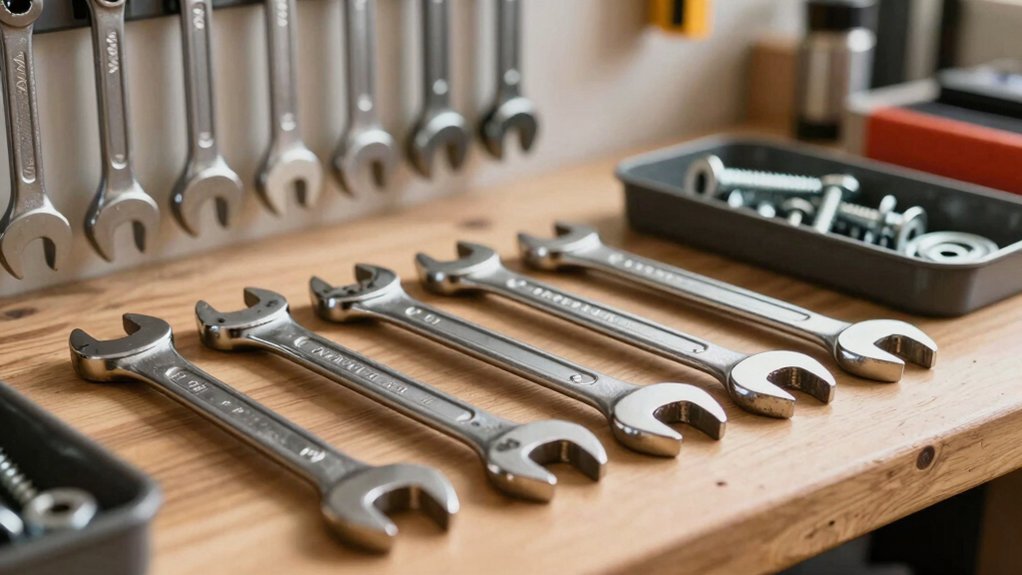
Gearwrenches are essential for home projects because they combine speed with accuracy, reducing time spent on fasteners while improving grip and control. You feel the difference in every turn as torque lines up with the fastener and your hand stays centered, thanks to deliberate balance and responsive feel.
An ergonomic design keeps your wrist neutral, minimizing fatigue during long sessions. You’ll notice that fit and finish translate into fewer slips and stripped heads, so your work remains clean and precise.
Material strength ensures durability under demanding tasks, resisting wear and providing consistent performance. Choose tools that promise reliability, because power without control wastes effort.
With ergonomic design and material strength, gearwrenches deliver decisive, repeatable results you can trust.
SAE vs. Metric: Which Set Do You Need?
If you’re starting a set, decide whether SAE or metric comes first based on your most frequent projects, then plan a practical blend for future needs.
Knowing common socket sizes helps you pick a core kit quickly, with options to expand as you tackle diverse tasks.
A dual-set approach can streamline compatibility and broaden your precision for both household repairs and upgrades.
SAE Or Metric First
Choosing between SAE and metric sets starts with your projects: if most fasteners are standard in inches, start with SAE, but if you work on international or modern equipment, metric will save time and avoid misfits. You want speed, accuracy, and fewer missteps, so pick the system that covers your primary applications first.
SAE shines on domestic hardware and classic builds, while metric dominates European, Asian, and contemporary gear. Consider future needs, not just current jobs, to minimize swap-out downtime.
Prioritize wrench ergonomics to sustain leverage without strain, and plan for tool storage solutions that keep quickly accessible sockets organized by system. A balanced starter kit can grow into a complete set without clutter, preserving efficiency on demanding projects.
Common Socket Sizes
Common socket sizes hinge on the jobs you tackle most often. You’ll decide between SAE and metric by the hardware you encounter daily, not guesswork.
For home projects, a 3/8″ drive set that spans both SAE and metric covers 90% of tasks, while a 1/2″ drive handles larger fasteners and tougher material.
Prioritize universal compatibility in a single set to minimize swaps and maximize power on the job. When choosing, consider socket compatibility with your ratchet and extensions, plus the material that endures daily use.
Socket material matters: chrome-vanadium alloy offers strength and resilience, while carbon steel racks up budget options.
Build a compact kit that blends both systems, but clearly label tools to avoid cross-contact and wasted effort.
Dual-Set Prospects
For most home projects, a mixed SAE and metric set beats a single-system kit, because you’ll encounter both standards from hardware stores and DIY upgrades. Dual-set prospects offer faster, more confident tightening without constant guesswork, reducing stripped fasteners and rework.
In practice, keep common sizes readily accessible and group the rest by system to minimize swap time. Prioritize ergonomic design: comfortable grips, balanced weight, and easy access to deeply recessed fasteners. A reputable brand reputation matters here, as precise sizing and durable bearings survive heavy use.
Consider a set that covers the essential ranges for both SAE and metric, plus a quality ratchet, adapters, and a low-profile wrench for tight spaces. This blend delivers versatility, efficiency, and power for demanding projects.
Top Gearwrench Types Every Home Improver Should Know
You’ll start with a quick read on wrench styles, so you can pick the right tool for each task. We’ll cover common home projects and the forms that make them easier—from adjustable and combination wrenches to specialty and ratcheting options.
Use these selection tips to build a focused set that improves efficiency and accuracy in everyday fixes.
Wrench Styles Overview
Wrenches come in a handful of distinct styles, each optimized for specific tasks, access challenges, and material thicknesses. You’ll encounter open-end, box-end, and combination wrenches, delivering fast, direct engagement with hex fasteners and nut faces.
Ratcheting wrenches *release* speed, letting you work without repositioning, while adjustable wrenches cover odd sizes with a single tool. Specialty profiles—flare-nut, stubby, and flexible-head variants—tackle tight spaces and recessed hardware, preserving fastener integrity.
Ergonomic grip design matters: you’ll notice better control when handles distribute force evenly and resist slipping. Consider handle materials that balance durability and feel for prolonged sessions.
Wrench ergonomics and handle materials shape your efficiency, reducing fatigue while you maintain torque accuracy, ensuring precise, repeatable results on demanding home-improvement tasks.
Common Home Projects
Choosing the right gearwrench types speeds home-improvement success, because different projects demand specific tool profiles. You’ll rely on versatile wrenches for quick bike repairs, appliance tightenings, and automotive tweaks around the house.
For plumbing, select models with offset heads to reach tight spaces and minimize lever strain, preserving torque without foot-stomping effort.
In cabinetry and furniture projects, precision matters; pick slim-profile wrenches to avoid marring surfaces while you snug fasteners.
Electrical work benefits from smooth, non-marring handles that resist heat and moisture, keeping control secure.
Wrench ergonomics and handle design directly affect comfort, fatigue, and accuracy over long sessions.
Mastery comes from matching grip size, ratcheting direction, and peak torque to your task, ensuring durable joints and quicker completion.
Selection Tips Guide
Selecting the right gearwrench type starts with understanding the task at hand and the space you’re working in. To maximize efficiency, map each project to a specific tool profile: compact for tight spots, extended shafts for reach, and shallow-angle heads for clear access.
Prioritize ergonomics: an ergonomic handle reduces fatigue during protracted sessions and improves control under load. Evaluate material composition to balance strength and weight—high-strength steel for durability, with a corrosion-resistant coating in harsh environments.
Consider drive size compatibility and reversible mechanisms for fast, decisive adjustments. Assess versatility indicators like dual-ended options and magnetized tips to streamline tasks.
Finally, confirm comfort and grip texture in your hand: you’ll perform more accurately when you feel secure and powered. Choose wisely, perform relentlessly.
Adjustable Crescent Wrenches: Pros, Cons, and Tips
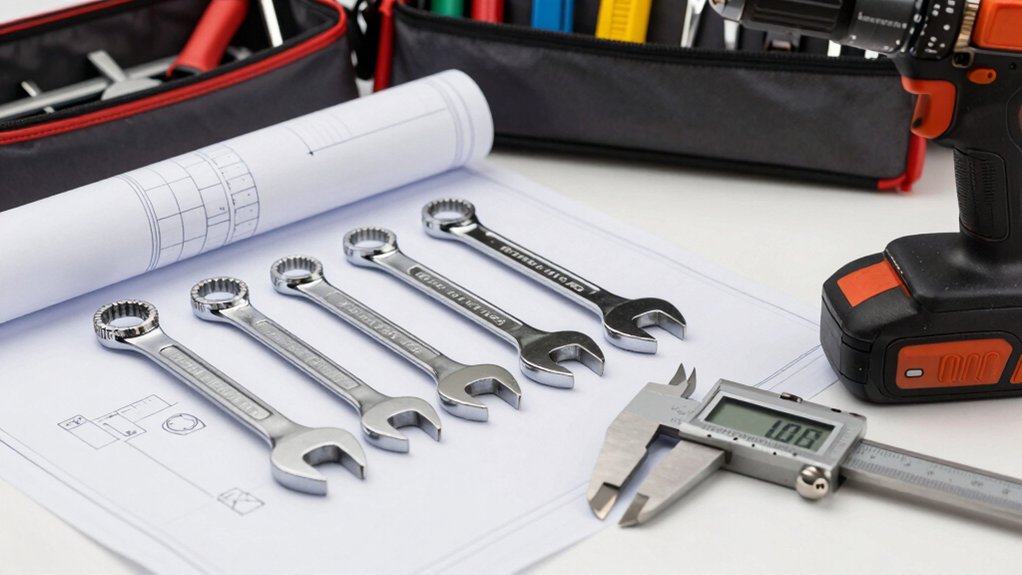
Adjustable crescent wrenches offer quick, versatile gripping for many fastening tasks, but they require care to avoid slippage and rounding of fasteners. You’ll capitalize on smooth adjustment and broad jaw capacity, yet accuracy matters.
Prioritize solid grip by matching jaw width to the fastener with minimal play, and keep pressure steady to prevent cam-out. Wrench ergonomics means a comfortable handle angle and textured grip that reduces fatigue during extended sessions.
For performance, use clean, dry surfaces, and avoid overtightening that damages edges. Regular adjustable wrench maintenance includes inspecting the worm gear, tightening the slide, and lubricating moving parts.
Store in a dry, organized drawer to preserve accuracy. Mastery comes from disciplined use, precise sizing, and proactive care.
Compact Stubby vs. Full-Size Wrenches: When to Use Each
When you choose between a compact stubby and a full-size wrench, you’ll weigh reach against leverage to fit tight spaces and stubborn fasteners.
Stubby wrenches save space and let you access recessed settings, but they trade some torque and margin for error.
Use full-size wrenches when you need better grip, higher torque, and fewer clearance constraints, especially in open work areas.
When to Reach for Stubby
Stubby wrenches save space and reveal tight spots, so reach for them when clearance is the limiting factor or you’re working in a confined cavity. You’ll choose stubby versatility when angles matter, not just size. Use them for fast, decisive engagements in soffits, behind panels, and mated joints where full-size wrenches can’t swing.
They excel on hardware close to walls, in recesses, or between framing members where space is scarce. For general torque tasks, assess if you can maintain control with a compact reach; if not, switch to a longer handle.
In high-torque scenarios, preserve leverage with the right profile, and don’t force a fit. Your toolkit thrives on thoughtful selection, balancing access with control.
Space-Saving Advantages
Compact stubby wrenches are designed for tight spaces, making them the go-to choice when clearance is the bottleneck. In cramped assemblies, you gain reach without sacrificing leverage, letting you apply consistent torque where full-size tools fail. Use them for quick, targeted fastenings in confined panels, dashboards, or engine bays, and you’ll reduce switchovers and misalignment risks.
For storage efficiency, stubby sets occupy less drawer real estate and ease transport between job sites. Reserve full-size wrenches for longer bolts, stubborn corrosion, and high-torque demands where space isn’t your constraint, maximizing efficiency with fewer tool swaps.
Your goal is clean, deliberate action: choose compact stubby for restricted access, switch to full-size when room and torque demand it, and preserve space optimization across projects.
Torque and Access Limits
Equipped with different reach and leverage, compact stubby wrenches limit torque and access differently than full-size tools, so choose wisely based on where you’re working.
In tight spaces, stubby designs maximize access but sacrifice leverage, so you push harder and accept lower torque ceilings. Full-size wrenches deliver steadier, higher torque with robust control, ideal for stubborn fasteners and longer leverage paths.
Your choice should balance geometry and control: ergonomic design minimizes hand strain during prolonged sessions, while material strength guarantees consistent performance under load.
For smaller fasteners or recessed panels, stubby types win; for structural or automotive work, reach for full-size gearwrenches.
Always assess clearance, bolt configuration, and desired speed versus force to prevent overruns, rounding, or tool fatigue.
Ratcheting Wrenches: Do They Save Time?
Ratcheting wrenches can save time in certain tasks, but the benefit depends on the fastener size, clearance, and your technique. You gain rapid, repeated tightening without repositioning the wrench, which minimizes motion and fatigue. The appeal rests on a precise ratcheting mechanism that grips with minimal play, translating to quicker cycles and fewer tool swaps.
Yet, leverage and access still matter: tight or recessed bolts limit ratcheting effectiveness, and large fasteners may require conventional wrenches to maximize torque. Prioritize an ergonomic grip and weight balance to sustain accuracy under load, especially over long sessions. Choose profiles that fit your reach and line of sight, and ensure smooth-sounding engagement.
When used appropriately, ratcheting wrenches streamline routine assembly and disassembly with deliberate, controlled efficiency.
Specialty Wrenches That Save Time in Home Projects
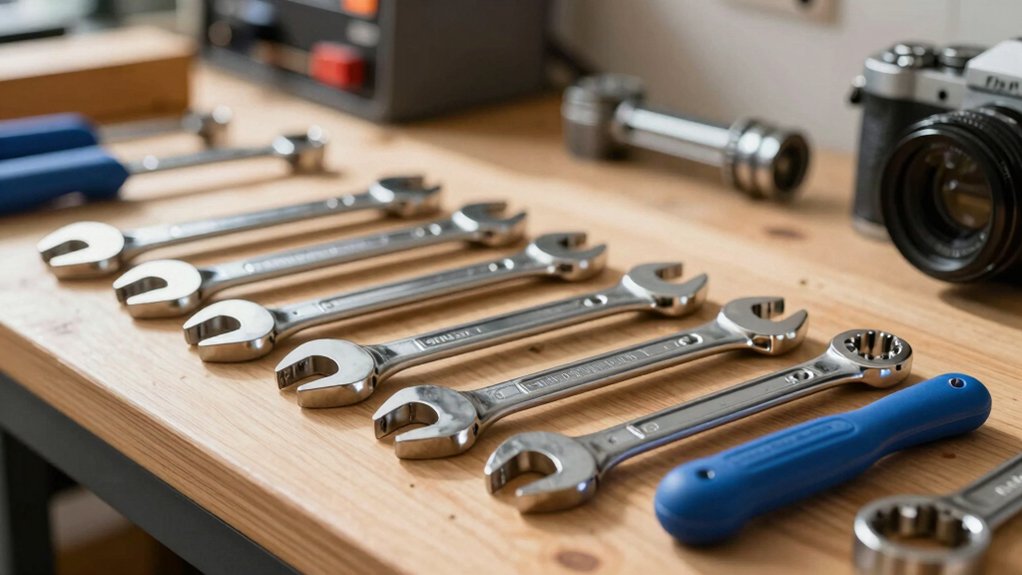
Specialty wrenches can save you time by fitting into tight spaces and handling unusual fasteners that standard tools miss. You’ll tap into purpose-built profiles, offset angles, and low-profile shapes that reach where others can’t.
Precision grip lets you apply maximum torque without cam-out, preserving fastener integrity and your energy. Ratcheting variants accelerate progress on stubborn assemblies, while flare-nut and fuel-line wrenches prevent round-off on tube fittings.
Look for tools engineered with corrosion resistance to endure oily, dirty environments and prolong service life. Magnetic inserts keep small fasteners in place, reducing drops and rework.
Color-coded heads streamline workflow, so you grab the right wrench fast. When you pair specialty wrenches with disciplined technique, you watch project timelines shrink and outcomes harden into reliability.
How to Size Your Wrench Set for a Starter Toolkit
A starter wrench set should cover common fasteners, fits, and tasks you’ll encounter most often, so begin with sizes that fit your likely projects. Size your kit around the nuts and bolts you’ll encounter first—8, 10, and 12 mm for metric bikes and appliances, plus 1/4, 3/8, and 1/2 inch for inch-based hardware.
Don’t overbuy duplicates; prioritize versatility over volume. Plan for both SAE and metric ranges if you work across systems. Consider wrench ergonomics: comfortable handles, balanced weight, and accessible ratcheting widths for tight spaces.
Make certain material durability through tempered steel and corrosion resistance. Leave room to grow; a compact, well-chosen starter set scales as your skills sharpen and your projects become more demanding.
Build Quality and Durability: What to Look For
When evaluating build quality, look for solid construction and durable materials that stand up to daily use; a well-made wrench should feel sturdy in your hand and maintain precise fitment over time. You want metal with high material strength, engineered joints, and controlled tolerances that resist slippage.
Pay attention to the finish: tool-grade coatings should guard against corrosion and wear without quick chipping or peeling. Anodized, plated, or hardened surfaces extend life and reduce maintenance.
Handle design matters too: comfortable rims, balanced weight, and a secure, non-slip grip boost control under heavy torque.
Inspect the jaw, open-end, and box-end areas for consistent sizing and minimal play. Prioritize corrosion resistance and robust construction to make certain dependable performance across demanding tasks.
Budget-Friendly Gearwrenches That Deliver Value
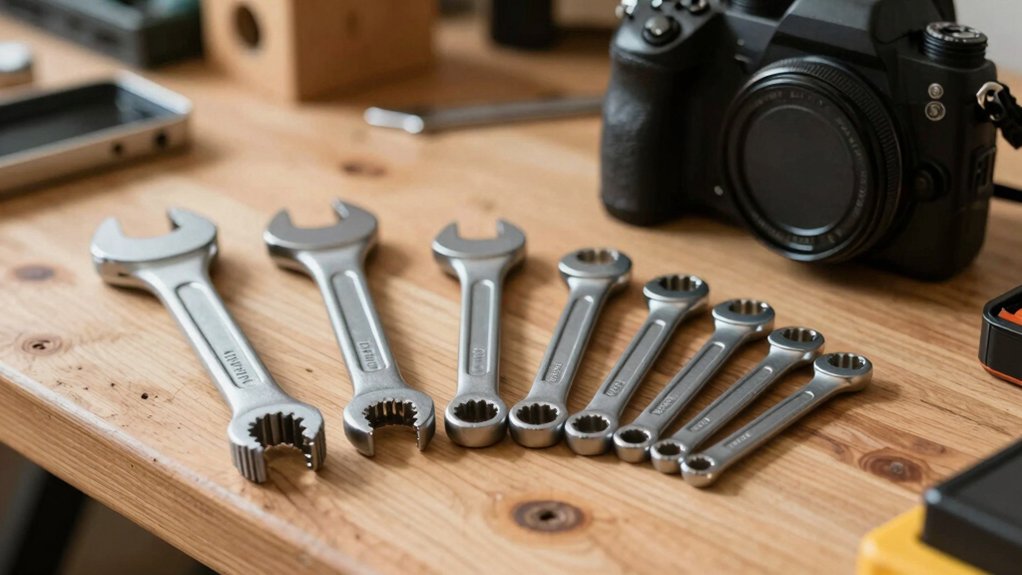
If you’re shopping on a budget, you don’t have to sacrifice reliability: there are gearwrenches that deliver solid performance without a premium price. Budget-friendly options emphasize core reliability, ergonomic handles, and precise ratchets, so you get dependable torque without overspending.
Seek budget options that balance metal strength with smart design, avoiding lightweight compromises that cause slips or wear. Value packs give you multiple sizes in one purchase, increasing versatility for various fasteners and tight spaces. Look for standardized gear patterns and repeatable quick-release mechanisms that stay consistent under heavy use.
Prioritize models with solid warranty coverage and comfortable grips, so long sessions stay productive. In short, you gain capability and speed without paying for premium branding.
Maintenance Tips to Extend Wrench Life
Regular maintenance keeps gearwrenches accurate and long-lasting. You protect performance by proactive care, not reactive fixes.
Start with lubrication techniques that prioritize protection without gumming moves: apply a thin, even film to pivots, teeth, and detent surfaces; wipe away excess to prevent attractors; cycle the wrench to distribute lubrication.
Choose a lightweight, rust-resistant lubricant and avoid thick greases that slow action.
Inspect for wear, cracks, or burrs after every job, and correct minor issues before they worsen.
Cleanliness matters too; keep blades and joints free of debris to maintain smooth engagement.
For storage solutions, store in a dry, organized rack or case, with each tool separated to prevent impact damage.
Regular checks save time, extend life, and preserve peak torque.
Real-World Use Cases: Assembly and Plumbing Scenarios
Gearwrenches shine in assemblies and plumbing setups where space is tight and torque precision matters. You’ll experience tightened joints without over-torquing, thanks to calibrated control that respects component tolerances.
In cabinetry or appliance installs, you leverage compact profiles to reach recessed bolts, while the ratcheting action speeds progress without risking slippage.
For plumbing, you maintain leak-free seals by applying exact torque on fittings and adapters, reducing rework from overtightening.
The ergonomic design reduces hand fatigue during extended sessions, letting you work with sustained focus and confidence.
Brand reputation matters here: you’re choosing tools with proven durability and consistent performance under demanding tasks.
These real-world capabilities elevate your project outcomes, delivering clean fits, reliable joints, and professional-grade results you can stand behind.
How to Choose the Right Gearwrench Set for Your Projects
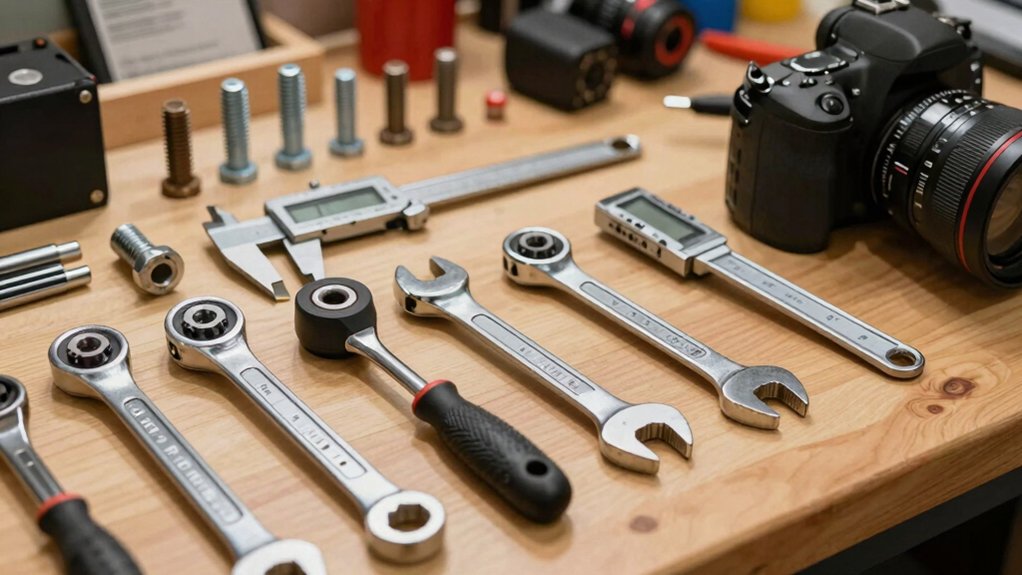
Choosing the right Gearwrench set starts with matching item features to your typical tasks: look for sets with a range of drive sizes, a mix of metric and SAE sizes, and one-handed operation to reach tight spaces. You want a selection that covers high-torque applications without sacrificing accessibility.
Prioritize forged steel tools with corrosion resistance, clearly marked sizes, and quick-release ratchets for rapid swaps. Assess your projects’ frequency of metric versus SAE fasteners, then pick a set that minimizes substitutions.
Consider storage practicality: tool storage should be organized, portable, and durable enough to survive job-site conditions. When evaluating, perform brand comparisons on warranty, ergonomics, and customer support.
A disciplined choice reduces downtime and guarantees power, precision, and longevity.
Frequently Asked Questions
How Durable Are Gearwrenches in High-Torque Applications?
Gearwrenches handle high-torque loads well, but durability hinges on material strength and corrosion resistance; you’ll want models with hardened alloy steel, surface coatings, and proper torque limits to prevent deformation under real-world stress.
Can Gearwrenches Replace Conventional Wrenches Entirely?
Gearwrenches can replace many conventional wrenches in suitable tasks, but not every scenario. You’ll gain ergonomic efficiency and tool versatility, yet some stubborn fasteners, precision work, or ultra-wide ranges still demand standard wrenches. Use intelligently, not universally.
Are Gearwrenches Compatible With Standard Sockets?
Yes, gearwrenches are compatible with standard sockets, though you’ll need the right gearwrench sizes for a snug fit. You’ll conquer tight spaces, but verify socket compatibility before switching, or you’ll slip. Precision matters; power follows.
Do Gearwrenches Come in Left-Handed Versions?
No, gearwrenches don’t come in true left-handed versions. You’ll find left handed tools as variants elsewhere, but gearwrench availability for left-handed users remains limited; plan alternatives and still leverage standard tools for maximum power.
What Maintenance Extends Gearwrench Lifespan the Most?
Regular lubrication extends gearwrench lifespan the most, and proper storage reinforces it. You should lubricate moving parts periodically and keep tools dry, protected, and away from moisture. Maintain consistent maintenance intervals and inspect for wear for peak performance.
Conclusion
You’ve got the tools to tackle almost any home project, from quick fixes to detailed assemblies. Gearwrenches save time, reduce stripped fasteners, and fit tight spaces with confidence. Think of them as your reliable pry bar that never rusts—versatile, durable, and ready when you are. Choose the right set, keep them clean, and match SAE or metric to the task. With proper care, your gearwrenches will outlive projects and employees alike, becoming trusted, lifelong teammates.