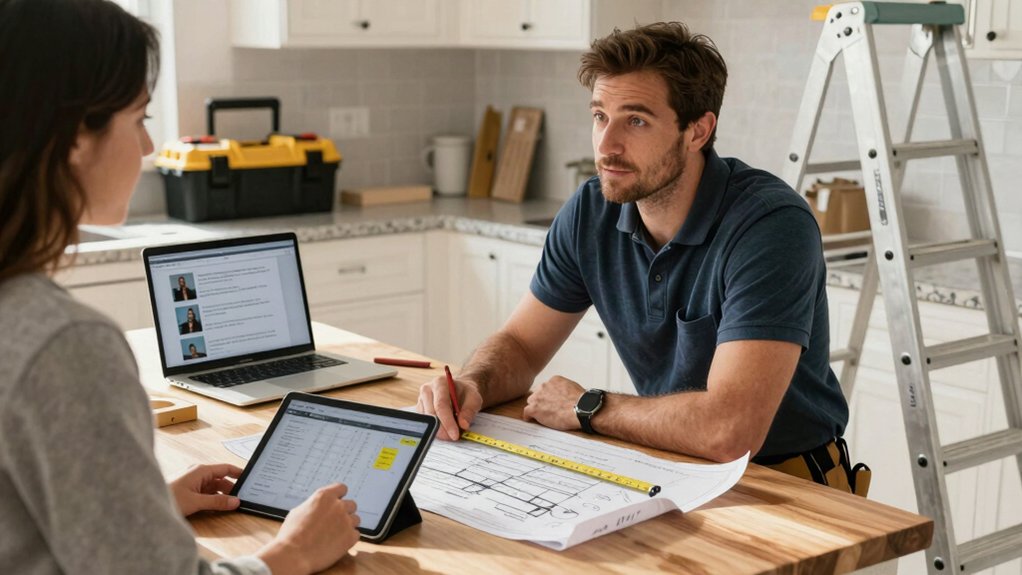
To vet a general contractor effectively, start by checking their track record and references to confirm on-time, on-budget results and quality. Then assess communication: clear updates, milestones, and change-order processes. Verify licensing, insurance, and safety records to guard against risk. Examine project processes and safeguards for quality, including role definitions, material sourcing, and risk controls. Finally, review change-management practices so they handle surprises without derailing schedule or cost. Keep these steps in mind as you explore more details.
Evaluate a Contractor’s Reliability and Trustworthiness
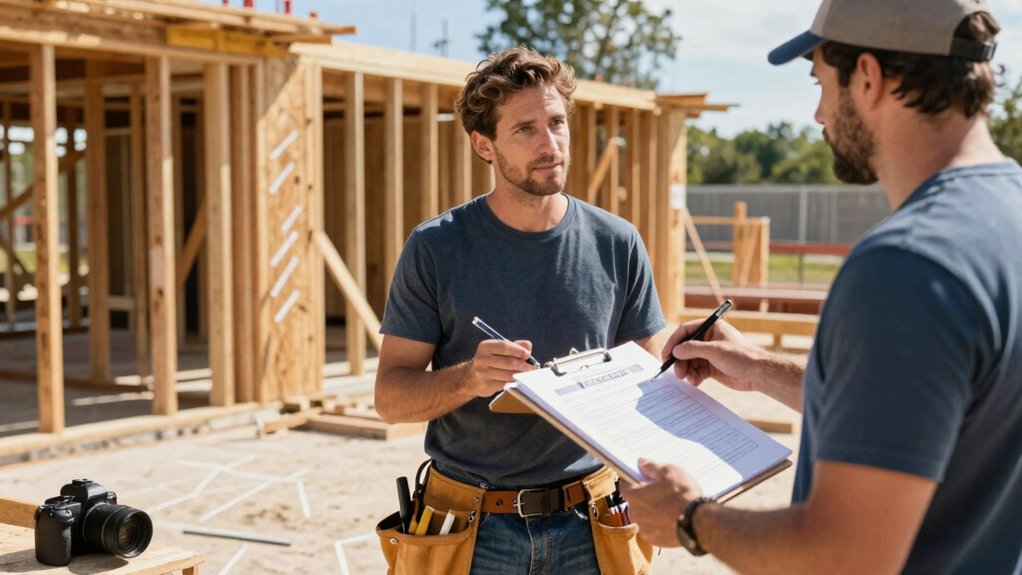
To evaluate a contractor’s reliability and trustworthiness, start by checking their track record. You’ll want a clear history of on‑time completions, staying within budget, and quality results. Look for consistency across projects, not isolated successes.
Ask for references you can contact directly and verify independent reviews or certifications that signal professional rigor. Assess how they handle changes, delays, and unexpected problems—do they communicate promptly and propose practical solutions?
Budget considerations should align with documented estimates, change orders, and transparent pricing practices.
Consider environmental compliance as part of reliability: confirm permits, adherence to safety standards, and waste management practices.
A dependable contractor owns up to mistakes, documents decisions, and keeps you informed, reducing surprises and building trust throughout the project.
Assess the Contractor’s Track Record and References
Before you hire, pull the contractor’s project history and verify it against independent references. Start with recent projects similar to yours, then check outcomes, timelines, and budget adherence. Ask for contact names you can reach directly, and prepare precise questions about deviations, change orders, and problem resolution.
Look for patterns: repeated delays, cost overruns, or quality concerns indicate risk. Compare what’s documented with the contractor’s claims to expose exaggerations or gaps in accountability.
When reviewing references, confirm whether the finished work met design specifications, safety standards, and warranty terms. Be mindful of Budget concerns and how they were managed across projects.
Also assess space for Design preferences alignment, ensuring the contractor can translate your vision into deliverables with consistency.
Gauge How the Contractor Communicates and Manages Expectations
Gauge how the contractor communicates and manages expectations by establishing clear channels, timely updates, and measurable milestones from day one. You’ll want to see how they set response times, preferred formats, and who handles what, so you’re never guessing who owns a task.
Prioritize demonstrations of solid communication skills: concise briefings, written confirmations, and proactive problem alerts. Ask for a communication plan that outlines weekly progress reports, change-order processes, and escalation steps if issues emerge.
Observe how they frame expectations around budgets, schedules, and quality, not just promises. Look for realistic timelines, explicit assumptions, and contingency buffers.
A contractor who masters expectation management keeps you informed, aligned, and confident via consistent, firm, and respectful updates throughout the project.
Verify Licensing, Insurance, and Safety Practices
Verifying licensing, insurance, and safety practices isn’t optional—it’s essential to protect your project and yourself. You should confirm the contractor holds active licenses for the scope of work and verify any trade-specific credentials. Ask for certificates of general liability and workers’ compensation, then contact the issuing bodies to confirm current status.
Review their safety program, incident history, and adherence to OSHA standards; request written safety policies and recent training records. Budget considerations matter, so ensure insurance limits align with project risk and subcontractor coverage. Don’t accept vague assurances—get copies and verify dates.
Design flexibility matters too, since changes may affect licensing or coverage. If anything looks incomplete, pause and clarify before committing. This diligence reduces risk and keeps your project on solid footing.
Examine Project Processes and Safeguards for Quality
To guarantee quality, scrutinize how the contractor manages project processes and safeguards from start to finish. You’ll want a clear plan, defined roles, and measurable steps that prevent delays and errors.
Ask how they translate design into action: what milestones, approvals, and quality checks exist at each phase? Look for a documented project timeline, with critical-path items and buffer strategies in case of setbacks.
Inquire about safeguards: change-order controls, risk assessments, and site-specific safety routines that protect workers and property.
Evaluate material sourcing practices, including supplier vetting and batch traceability, to avoid defects.
Require routine progress reporting, issue escalation paths, and post-completion follow-up for warranties.
A well-structured process is your best safeguard against surprises and budget creep.
Conclusion
Conclusion: When you vet a general contractor, you’re buying peace of mind as much as performance. A solid track record and clear communication prevent costly surprises, while proper licensing, insurance, and safety practices protect you and your project. Remember: ask for references, verify credentials, and demand a detailed, transparent plan. One striking stat: homes with clearly defined project scopes and schedules finish on time 50% more often than those without. Do the upfront work, save yourself the headache.