
You’ll secure a fast sale in a competitive UK market by pairing a sharp mindset with precise pricing and standout presentation. Start with decluttering and depersonalising to free space, then boost curb appeal and stage rooms to look inviting in photos. Price strategically from day one, backed by market data, and choose a seller‑centric agent with a multi‑channel marketing plan. Schedule viewings for momentum, handle negotiations decisively, and plan your move—all while you stay steps ahead; more tips await.
Aim for a Fast Sale Mindset for UK Homes
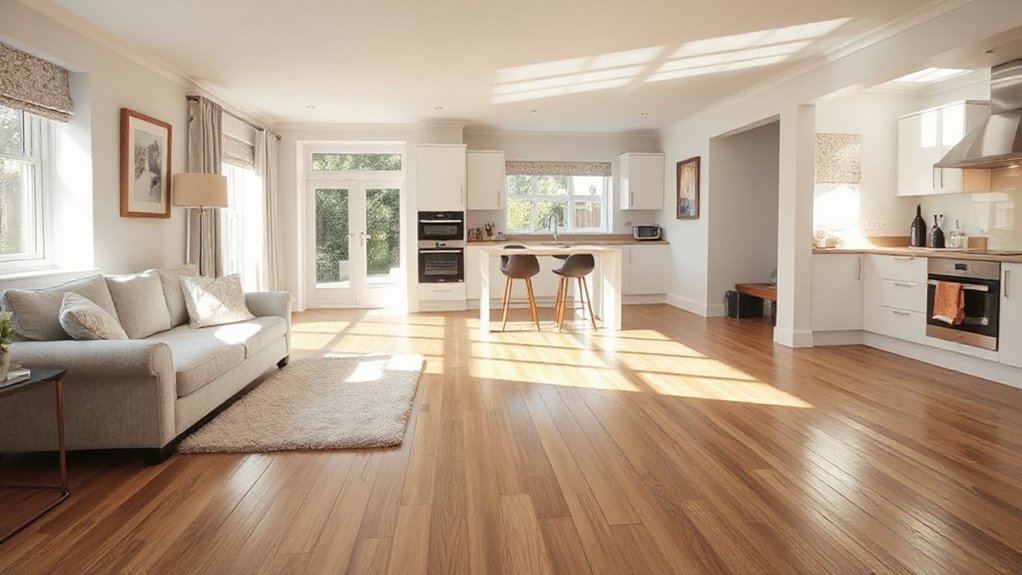
Adopting a fast-sale mindset isn’t about rushing decisions; it’s about being strategic from day one. You align your plan with purposeful actions, cultivating momentum without sacrificing accuracy.
Start by defining clear, measurable goals for price, timing, and exposure, then map each step to a tight timetable. You weigh Pricing strategies that attract interest while protecting value, balancing offer appeal with sustainable equity.
Market timing becomes your compass, not a guess: you monitor local cycles, inventory flow, and buyer sentiment to position your home at peak visibility.
You pair data-driven tactics with a calm, decisive tempo—responding to enquiries promptly, scheduling inspections efficiently, and presenting a polished narrative.
With discipline and focus, you convert interest into competitive offers, accelerating a smooth, strong sale.
Declutter and Depersonalise to Sell Faster
Decluttering and depersonalising aren’t about erasing character—they’re about creating space for buyers to imagine themselves in the home. You’ll elevate perceived value by simplifying surfaces, staging with purpose, and ensuring flow between rooms.
Start with storage solutions that conceal excess and showcase function: labeled baskets, slim shelving, and under-bed totes keep essentials out of sight yet reachable.
Prioritise neutral palettes, tidy cords, and uncluttered walls to reduce cognitive load for viewers.
Depersonalise without erasing warmth: swap family photos for tasteful art, remove niche memorabilia, and reserve bold decor for features you want buyers to notice.
Add strategic personal touches—fresh flowers, a lightly scented welcome, a tidy book collection—to imply a well-loved home.
The result is a cleaner backdrop that invites buyers to project their future.
Maximise Curb Appeal Before the First Viewing
You’ll sharpen curb appeal by nailing first impressions with tidy paths, fresh paint touch-ups, and lush, welcoming greenery.
Remember, initial impressions set timelines, so your staging should read well in photos and real life.
Think in terms of photos-forward staging, exterior lighting, and cohesive styling to boost appeal before buyers arrive.
Curb Appeal Essentials
To maximise curb appeal before the first viewing, start at the street with decisive, low-effort improvements that boost first impressions and signal serious staging. You’ll create an immediate sense of care that repeats inside the home, guiding buyers to linger.
Focus on a crisp, cohesive exterior that conveys value and taste. Key elements: garden lighting enhances safety and drama after dusk, while well-chosen outdoor furniture invites imagination of living spaces beyond the door.
Keep lines clean, colors coordinated, and surfaces uncluttered to avoid visual noise. Quick fixes now yield stronger offers later by projecting a polished, ready-to-live-in vibe.
- garden lighting that highlights focal points
- streamlined outdoor furniture arrangement
- cohesive color palette and tidy surfaces
First Impressions Matter
First impressions set the tone before a single viewing, so you should secure a confident, polished curb appeal that signals value and ready-to-live-with appeal. You’ll maximize visual appeal by presenting clean lines, tidy borders, and a cohesive color story that mirrors the home’s interior finish.
Focus on entry impact: a welcoming doorway, fresh trim, and unobtrusive lighting that highlights architecture without shouting. Repair dings, swap tired hardware, and prune vegetation to showcase structure rather than conceal flaws.
Keep driveway and path surfaces clear and safe, inviting visitors to step inside. Your goal is immediate confidence, not perfection.
When curb appeal reads as intentional, buyers form positive expectations, and First impressions become a predictor of smooth negotiations. Visual appeal anchors buyer curiosity and shortens decision timelines.
Staging For Photos
- Lighting improvements
- Furniture placement
- Consistency across photos
Price Strategically From Day One
Set your price early to anchor buyer expectations and signal confidence in your property’s value. Clearly highlight what adds value—condition, features, and upgrades—so buyers perceive a strong, fair deal from the outset.
Watch market signals closely and be ready to adjust if demand shifts or new comparables emerge.
Set Early Price
Setting the price on day one isn’t just smart—it’s strategic. You’ll prime market interest, anchor expectations, and maximize showings with a precise, deliberate stance.
Your pricing should reflect not only current demand but valuation accuracy, ensuring confidence from buyers and faster decisions from gatekeepers. Balance competitiveness with realism to avoid staged flexibility that invites renegotiation pitfalls.
A well-judged early price signals quality and reduces time on market, while preserving your negotiating room for meaningful offers.
- Align price with current market data and comparable sales for robust valuation accuracy
- Establish a clear pricing trajectory that accounts for appraisal realities and buyer psychology
- Monitor feedback, adjust tactically, and maintain momentum without excessive fluctuation
Highlight Value Clearly
From day one, you should spotlight value with precision—show buyers exactly why your property stands apart and what their investment delivers. You’ll anchor pricing to market trends and use clear valuation techniques to justify every figure.
Present a tight narrative: what makes spaces resonate, how features translate to daily living, and why duration of stay matters. Pair pricing with concise data—comps, recent sales, and growth prospects—without overloading with jargon.
Your listing copy should whisper confidence, not desperation, highlighting unique textures, daylight, layout, and potential improvements that uplift value.
Align staging, photography, and language to reinforce your price stance, so buyers perceive fairness and opportunity.
Monitor Market Signals
Carefully watch market signals from day one, so you can adjust pricing with pinpoint accuracy as conditions shift. Monitor market signals to keep your listing aligned with evolving buyer behavior and local trends.
By tracking market trends, you’ll spot when demand tightens, days-on-market shorten, or competitor pricing shifts—and you’ll respond with precise pricing strategies that preserve value without deterring interest. Pace your adjustments to maintain momentum, avoiding underpricing or overstating value.
Employ data cues, not guesswork, so your strategy stays elegant and effective, even as the market moves. Your aim is a fast, fair sale that reflects true demand while maximizing return.
- Track inquiries and viewing intervals to gauge interest
- Align pricing with real-time competitor moves and market signals
- Refresh value messaging as conditions shift, maintaining appeal
Choose a Seller-Centric Agent and Marketing Plan
Choosing a seller-centric agent and a sharp marketing plan starts with clarity: you want a partner who prioritizes your goals, communicates transparently, and moves quickly to maximize your price.
You’ll assess agents by track record, not promises, and seek a collaborator who champions your timeline and constraints. Your agent should present a precise pricing strategy aligned with current data, adjusting as market shifts occur.
Demand a marketer who blends pricing, positioning, and channels to create urgency without undervaluing your home. Expect rigorous market analysis that informs target audiences, staging suggestions, and exposure plans from day one.
The right plan pairs a compelling narrative with efficient execution, ensuring every interaction advances your sale toward a favorable, timely outcome.
Stage Rooms to Highlight Flow and Use
First, stage rooms to highlight flow and use by guiding buyers through a natural, intuitive path: open sightlines, clear progressions, and purposeful focal points that showcase function from room to room.
Focus on how spaces connect. Use interior lighting to sculpt mood and emphasize architecture; let shadows and calibrated brightness guide attention. Integrate storage solutions that appear seamless, reducing visual clutter and improving perceived space. Keep doorways unblocked and sightlines uninterrupted to reinforce a cohesive flow.
Create a logical sequence: entry, living, dining, and kitchen lines that feel inevitable.
Highlight multi-use zones with adaptable lighting and discreet storage.
Ensure finishes and move-throughs cue purpose without competing focal points.
Create a Compelling Buyer Story
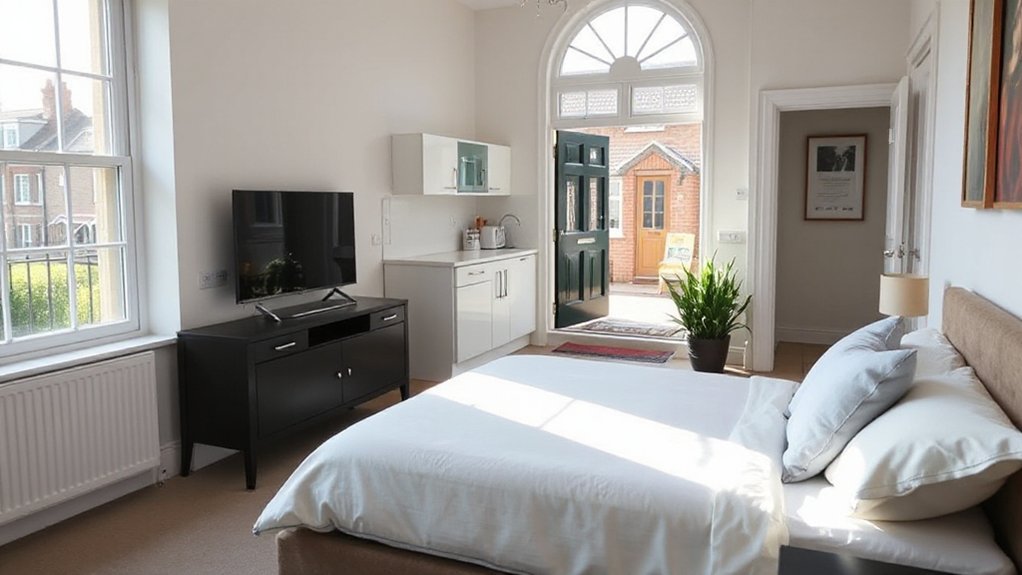
You frame a buyer narrative that highlights the tangible benefits awaiting the new owner. Tie in realistic scenarios to show daily life improvements, financial sense, and future potential. Keep it precise and strategic, using vivid, credible details that support a compelling, believable story.
Craft A Buyer Narrative
To craft a compelling buyer narrative, start by painting a vivid, credible why: show how the property fits a buyer’s goals, finances, and lifestyle, not just its features. You frame the story around value, potential, and certainty, then weave in Property history to demonstrate trust and continuity, and note legal considerations to reassure risk-aware buyers.
Your narrative focuses on practical outcomes: lifestyle upgrades, cost efficiency, and scalable plans, not just aesthetics. You guide buyers to imagine weekly routines, commute realities, and long-term equity. This is strategic storytelling that aligns seller outcomes with buyer motives, boosting confidence and speed of decision.
- Center the story on tangible outcomes and future use
- Integrate Property history and legal considerations seamlessly
- Tie financials to lifestyle benefits and risk awareness
Highlight Buyer Benefits
Consider how the buyer benefits unfold from the story you’ve built, not just the property itself. You’ll frame the sale around tangible outcomes: efficiency, comfort, and clarity in decision-making.
Emphasize buyer benefits like reduced post-purchase friction, predictable costs, and a seamless changeover, so purchasers feel confident they’re investing in a future, not just a dwelling.
Use buyer insights to anticipate questions before they arise, addressing accessibility, commute benefits, local amenities, and potential for value growth.
Highlight transparent disclosures, verified timelines, and support networks that lessen uncertainty.
Your narrative should translate architectural appeal into daily lived advantages, letting the buyer visualize life here—organized spaces, serene routines, and strategic upgrades.
This approach positions your property as a thoughtful, high-satisfaction choice, not merely a listing.
Use Realistic Scenarios
Even in a competitive market, you can anchor interest with realistic scenarios that invite buyers to see themselves thriving from day one. You’ll craft a narrative where daily routines align with the space, highlighting practical benefits against current Market trends and proven pricing strategies.
By mapping how the home supports work, leisure, and family moments, you create an emotional roadmap that feels attainable rather than aspirational. A strong buyer story transforms curiosity into a sense of imminence, encouraging faster offers and fewer contingencies.
Keep it credible, vivid, and concise so it resonates across audiences.
- Visualize morning routines and workflow flows that fit the layout
- Link features directly to tangible outcomes, guided by Market trends
- Tie pricing strategies to clear value, not optimism
Maximise Online Appeal With Photos and Descriptions
High-quality photos and precise descriptions are your fastest routes to a fast sale; they shape first impressions and set buyer expectations from the moment they land on your listing.
You should curate images that highlight flow, space, and light, using wide-angle angles and clutter-free scenes. Pair each shot with concise captions that emphasize key features, upgrades, and energy efficiency.
Craft descriptions in active voice, focusing on tangible benefits and timelines—what buyers gain, not just what exists.
Include a logical sequence: exterior, living areas, kitchen, bedrooms, bathrooms, storage.
Emphasize unique selling points and recent improvements.
Integrate Virtual tours and Social media to broaden reach, but keep core details consistent across platforms.
Align visuals with your pricing strategy to reinforce value and speed up decisions.
Schedule Viewings for Momentum and Comfort
Securing momentum starts the moment you open viewings. You schedule with purpose, outlining slots that balance peak demand with buyer comfort. Keep times practical, pairing morning and early-evening windows to catch flexibility-driven buyers without overwhelming you.
Communicate clear instructions and a reliable contact method so sharing details feels seamless. Your calendar becomes a visible signal of readiness, inviting serious interest and faster decisions.
After each viewing, note impressions, adjust timing if needed, and maintain consistent, professional follow-ups. Scheduling appointments should feel controlled, not chaotic, reinforcing your preparedness and market pace.
- Schedule with intention, prioritising high-demand slots to maximise momentum
- Prioritise buyer comfort by offering quiet, convenient viewing environments
- Confirm, recap, and promptly respond to feedback to accelerate decisions
Prepare for Negotiations and Quick Closings
When negotiations begin, you set the pace by defining clear terms, expectations, and a realistic closing window.
You’ll approach every offer with calm precision, separating deal breakers from flexible points. Prepare concise, data-backed responses to common contingencies, demonstrating you understand market signals and buyer constraints.
In the heat of discussion, stay solution-focused: propose time-bound concessions, such as flexible completion dates or staged rent-back, to keep momentum without compromising value.
Use offer negotiation as a diagnostic tool, not a battleground, to triangulate buyer certainty and price integrity.
Implement closing strategies that preserve timing control, like locking in mortgage approvals early and pre-scheduling solicitor workflows.
A disciplined, strategic stance protects your position and accelerates a mutually beneficial finish.
Plan Your Move After the Sale to Maintain Pace
After the sale clears, you’ll want to maintain momentum by planning your move with the same disciplined tempo you brought to negotiations. A clear moving timeline keeps logistics tight, so you won’t lose steam between signing and settlement. Align tasks with deadlines, allocate time blocks, and review dependencies weekly to stay ahead.
- Moving timeline: set milestones for packing, utility transfers, and address updates to avoid last‑minute scrambles.
- Packing strategy: categorize by room, label boxes clearly, and reserve fragile containment to protect valuables without slowing you down.
- Transition focus: coordinate with your buyers, estate agents, and movers to ensure a seamless handover and preserve the market momentum you created.
Frequently Asked Questions
How Long Does a Fast Sale Typically Take in Today’s Market?
A fast sale usually takes a few weeks to a couple of months in today’s market. You’ll shorten it with a sharp pricing strategy and precise market timing, aligning listing speed with demand to attract serious buyers quickly.
What Are Hidden Costs After Accepting an Offer?
“Every cloud has a silver lining.” After accepting an offer, you’ll face hidden fees and legal expenses, so you should budget for stamp duty adjustments, solicitor disbursements, and transfer fees, ensuring you’re not surprised by costs later.
Can You Sell Without Doing Extensive Staging?
Yes, you can sell without extensive staging. You leverage virtual staging and DIY improvements to highlight space, quality, and flow, presenting a strategic, aesthetic appeal that keeps buyers engaged while keeping costs modest.
Should I Accept a Below-Asking Offer to Close Quickly?
Yes, consider accepting a below-asking offer if it frees you faster; delay can cost more. You’ll compare pricing strategies, sharpen negotiation tactics, and still protect value with clear milestones and contingencies, keeping your strategy expert, strategic, and aesthetically precise.
How Do You Handle Multiple Offers Ethically and Quickly?
You handle multiple offers ethically and quickly by practicing transparent offer negotiations and adhering to ethical practices, presenting each bidder fairly, setting clear timelines, and keeping you informed, so you maximize value while maintaining trust and strategic advantage.
Conclusion
You’ve set the pace, scouted the market, and staged with precision. Now, as momentum builds, every decision could tilt the balance toward a fast closing. Will your home’s first impression hold under the buyer’s gaze? With a strategic, seller-centric plan and confident negotiation, you’ll edge toward completion. Stay sharp, stay flexible, and let the final offer surprise you—but don’t blink; the next chapter starts the moment the ink dries. Quick, decisive steps keep the pace—and the dream—in reach.